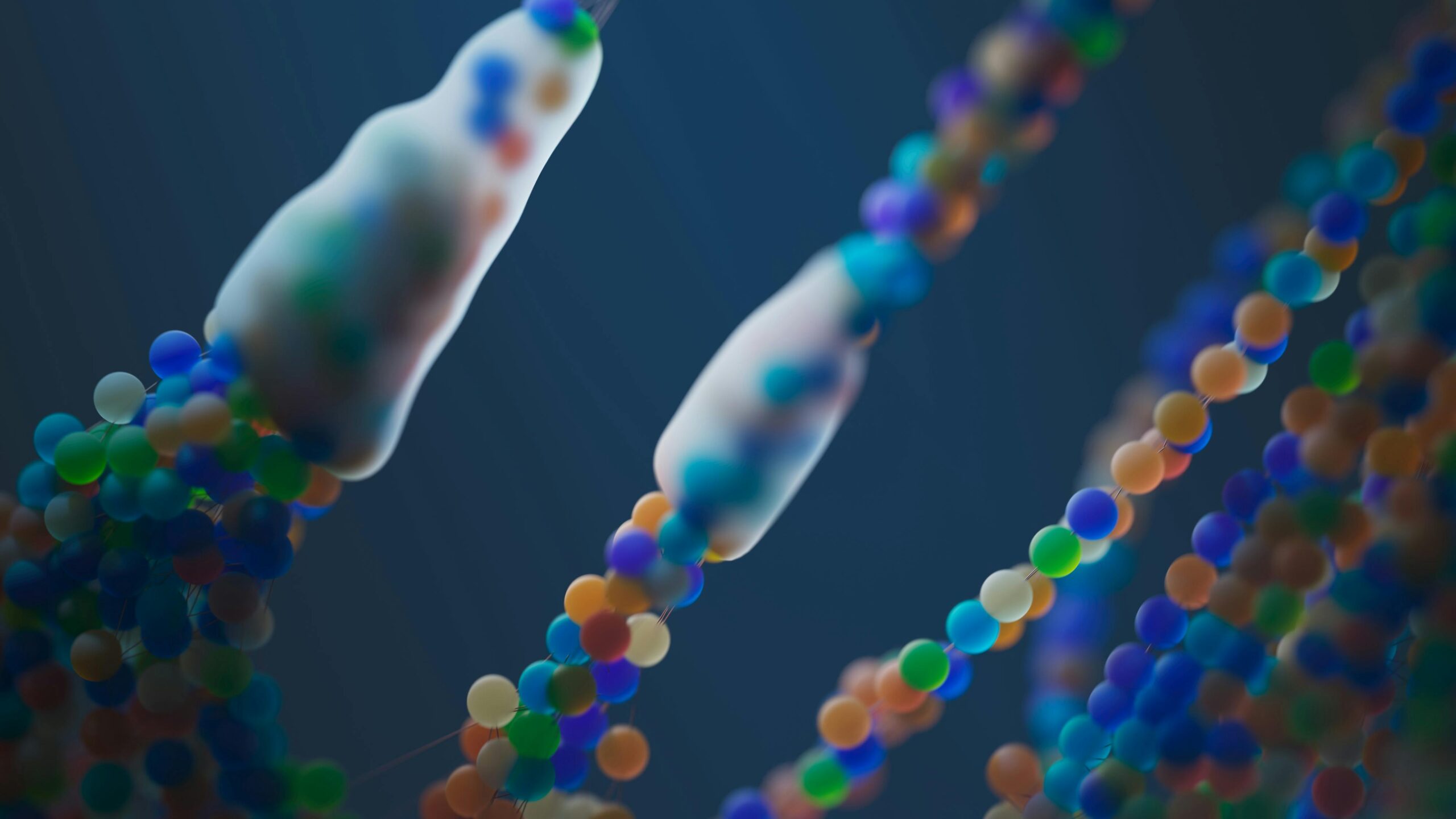
The convergence of medical innovation and ethical responsibility has never been more critical than in the realm of stem cell research. As we stand at the frontier of regenerative medicine, the promise of curing previously untreatable diseases must be carefully weighed against profound moral considerations.

Stem cell technology represents one of humanity’s most promising scientific achievements, offering hope for conditions ranging from spinal cord injuries to Parkinson’s disease. Yet this remarkable potential comes with complex ethical questions that demand thoughtful policy frameworks and sustained public dialogue about how we navigate this transformative medical landscape.
🔬 The Revolutionary Promise of Stem Cell Medicine
Stem cells possess the extraordinary ability to develop into various specialized cell types, making them invaluable for understanding human development and treating disease. Embryonic stem cells, induced pluripotent stem cells (iPSCs), and adult stem cells each offer unique therapeutic possibilities that have captured the imagination of researchers worldwide.
The clinical applications already emerging from stem cell research have demonstrated tangible benefits. Bone marrow transplants, which utilize hematopoietic stem cells, have saved countless lives by treating blood cancers and immune disorders. More recently, stem cell therapies have shown promise in cardiac repair following heart attacks, regenerating damaged neural tissue, and even restoring vision in certain conditions.
Regenerative medicine powered by stem cells could fundamentally transform healthcare delivery. Rather than managing chronic conditions with lifelong medications, physicians might one day repair or replace damaged organs and tissues. This paradigm shift from symptom management to actual healing represents a revolutionary approach to human health that could extend both lifespan and quality of life.
⚖️ The Ethical Complexities We Cannot Ignore
Despite the tremendous medical potential, stem cell research raises profound ethical questions that society must address thoughtfully. The most contentious debates center on embryonic stem cell research, which requires the destruction of human embryos. For many individuals and religious communities, this practice conflicts with deeply held beliefs about when human life begins and the moral status of embryos.
The sourcing of embryonic stem cells typically involves excess embryos created during in vitro fertilization procedures. While these embryos would likely be discarded regardless, their use in research forces us to confront difficult questions about human dignity, the instrumentalization of potential life, and where we draw ethical boundaries in pursuit of medical progress.
Alternative Approaches and Ongoing Controversies
The development of induced pluripotent stem cells by Shinya Yamanaka in 2006 offered a potential resolution to some ethical concerns. iPSCs are created by reprogramming adult cells back to an embryonic-like state, eliminating the need to use embryos. However, even this breakthrough hasn’t completely resolved ethical debates, as questions remain about long-term safety, tumor formation risks, and whether iPSCs truly replicate all the beneficial properties of embryonic stem cells.
Adult stem cells, found in various tissues throughout the body, present fewer ethical objections since their collection doesn’t destroy embryos. However, these cells have more limited differentiation potential and may not provide solutions for all medical conditions that embryonic stem cells could theoretically address.
🌍 Global Policy Landscapes and Regulatory Divergence
Stem cell research policy varies dramatically across countries, reflecting diverse cultural values, religious beliefs, and political philosophies. This regulatory patchwork creates both challenges and opportunities for scientific advancement and ethical oversight.
The United States has experienced significant policy fluctuations, with federal funding restrictions on embryonic stem cell research varying by presidential administration. The Bush administration imposed strict limitations, while the Obama administration expanded access to federal funding. These policy shifts have created uncertainty for researchers and complicated long-term planning for scientific institutions.
European nations display considerable diversity in their approaches. The United Kingdom has established one of the world’s most comprehensive regulatory frameworks through the Human Fertilisation and Embryology Authority, permitting embryonic stem cell research under strict oversight. Germany, influenced by historical considerations and constitutional protections for human dignity, maintains more restrictive policies. Countries like Spain and France occupy middle positions, allowing research with significant regulatory constraints.
Asian Leadership in Stem Cell Innovation
Several Asian nations have emerged as major players in stem cell research, often with more permissive regulatory environments. Japan has invested heavily in iPSC research and clinical applications, while Singapore has positioned itself as a stem cell research hub through strategic government investment and streamlined approval processes.
China has rapidly expanded its stem cell research capabilities, conducting numerous clinical trials and publishing substantial research. However, concerns about regulatory oversight, informed consent procedures, and ethical standards have sometimes accompanied this rapid growth, highlighting the importance of robust governance frameworks alongside scientific advancement.
💰 Economic Considerations and Access to Treatment
The commercialization of stem cell therapies raises critical questions about healthcare equity and access. As treatments move from research laboratories to clinical settings, pricing structures and insurance coverage will determine who benefits from these medical breakthroughs.
Stem cell treatments are typically expensive, with some procedures costing tens or hundreds of thousands of dollars. Without thoughtful policy interventions, these therapies risk becoming available only to wealthy individuals, exacerbating existing healthcare disparities and creating a two-tiered medical system where regenerative treatments remain luxuries rather than standard care.
The stem cell tourism industry has emerged in response to regulatory restrictions and long wait times in some countries. Patients travel internationally to access unproven treatments, sometimes paying substantial sums for procedures lacking rigorous safety and efficacy data. This phenomenon underscores the need for balanced regulations that protect patients while not unnecessarily impeding legitimate research progress.
🛡️ Patient Protection and Scientific Integrity
Establishing robust patient protections represents a fundamental responsibility as stem cell medicine advances. The excitement surrounding regenerative treatments has unfortunately attracted some unscrupulous operators marketing unproven therapies with exaggerated claims and inadequate safety monitoring.
Regulatory agencies face the challenge of distinguishing legitimate therapeutic innovation from predatory medical practices. The FDA has intensified enforcement actions against clinics offering stem cell treatments without appropriate regulatory approval, yet gaps in oversight persist, particularly for procedures marketed as routine medical care rather than experimental therapies.
Informed Consent and Patient Education
Meaningful informed consent becomes particularly complex in stem cell medicine, where treatments may offer uncertain benefits, carry unknown risks, and involve novel scientific concepts difficult for non-specialists to fully comprehend. Healthcare providers must communicate honestly about what is known and unknown, resisting pressure to oversell experimental treatments to desperate patients seeking hope.
Patient education initiatives can empower individuals to make informed decisions about participating in stem cell research or pursuing experimental treatments. Understanding the difference between evidence-based therapies and unproven interventions helps patients navigate a complicated medical landscape while protecting themselves from exploitation.
🔮 Emerging Technologies and Future Ethical Frontiers
As stem cell science advances, new technologies continue to expand both capabilities and ethical questions. Organoid research, which creates miniature organ-like structures from stem cells, offers unprecedented opportunities to study human development and disease while raising questions about the moral status of increasingly complex biological structures.
The potential for creating synthetic embryos or embryo-like entities from stem cells challenges traditional ethical frameworks built around naturally conceived embryos. If scientists can create structures that closely resemble early-stage embryos without using eggs or sperm, how should such entities be regulated and what moral considerations apply?
Gene editing technologies like CRISPR, when combined with stem cell approaches, create possibilities for correcting genetic diseases at the cellular level. However, this convergence also intensifies concerns about germline modifications, designer babies, and the potential for creating heritable genetic changes with unknown long-term consequences for future generations.
🤝 Building Ethical Frameworks for Sustainable Progress
Navigating the future of stem cell medicine requires developing adaptive ethical frameworks that balance innovation with responsibility. Rigid regulations may stifle beneficial research, while insufficient oversight risks patient exploitation and erosion of public trust. Finding this balance demands ongoing dialogue among stakeholders including scientists, ethicists, patients, policymakers, and the broader public.
Pluralistic approaches that respect diverse ethical perspectives while establishing baseline protections offer promising paths forward. Rather than imposing uniform global standards that ignore legitimate cultural differences, international cooperation can focus on shared principles such as informed consent, scientific integrity, and patient safety while allowing flexibility in implementation.
The Role of Public Engagement
Democratic societies should ensure that stem cell policy reflects public values, not just the preferences of scientific elites or special interest groups. Meaningful public engagement requires accessible education about stem cell science, transparent decision-making processes, and genuine opportunities for citizen input to shape policy directions.
Patient advocacy groups play crucial roles in these conversations, bringing lived experiences of disease and disability to policy discussions. Their perspectives remind us that ethical debates aren’t merely abstract philosophical exercises but have concrete implications for real people seeking treatments and hoping for cures.
📊 Institutional Oversight and Accountability Mechanisms
Strong institutional oversight provides essential safeguards for ethical stem cell research. Institutional review boards (IRBs) and ethics committees evaluate research protocols, ensuring that proposed studies meet ethical standards, adequately protect participants, and offer reasonable risk-benefit profiles.
These oversight bodies must possess sufficient expertise, independence, and authority to effectively scrutinize research proposals. Ongoing monitoring throughout research projects, not just initial approval, helps identify and address ethical concerns as they emerge during actual implementation.
Transparency in research practices, including publication of both positive and negative results, strengthens scientific integrity and patient protection. Clinical trial registries, data sharing requirements, and open access policies help combat selective reporting and ensure that medical decisions are based on complete evidence rather than cherry-picked data.
🌱 Fostering Innovation Within Ethical Boundaries
Ethical constraints need not stifle innovation when thoughtfully designed. Clear regulatory pathways, predictable approval processes, and collaborative relationships between researchers and regulators can actually facilitate progress by providing certainty and building public confidence in stem cell medicine.
International scientific cooperation, including data sharing and collaborative research projects, accelerates discovery while distributing both costs and benefits more equitably. Harmonizing certain regulatory standards where appropriate reduces duplicative bureaucracy and allows researchers to focus intellectual energy on scientific challenges rather than navigating contradictory regulatory requirements.
Investing in research infrastructure, training programs, and supportive policy environments helps translate laboratory discoveries into clinical applications. Public funding for basic research remains crucial, as many fundamental scientific questions lack immediate commercial appeal but provide foundations for future therapeutic breakthroughs.
🎯 Charting a Responsible Path Forward
The future of stem cell medicine will be shaped by choices we make today about how to balance innovation with responsibility. Rather than viewing ethics as obstacles to progress, we should recognize ethical reflection as essential for sustainable advancement that maintains public trust and serves humanity’s genuine interests.
This balancing act requires humility about the limits of our knowledge, respect for diverse perspectives, and willingness to adjust course as new information emerges. Scientific capability does not automatically confer moral permission, and society must thoughtfully deliberate about which applications of stem cell technology to pursue and under what conditions.
The most promising path forward embraces both scientific rigor and ethical seriousness. By fostering open dialogue, establishing robust oversight mechanisms, protecting vulnerable patients, and remaining responsive to evolving evidence and values, we can realize stem cell medicine’s tremendous potential while honoring our responsibilities to present and future generations.
Ultimately, navigating the future of medicine in the stem cell era demands that we remain simultaneously hopeful and cautious, innovative and responsible. The remarkable healing possibilities emerging from regenerative medicine deserve our sustained commitment and investment, guided always by ethical principles that affirm human dignity, promote justice, and protect those who might otherwise be exploited. Through thoughtful policy development, inclusive public engagement, and continued scientific excellence, we can build a future where stem cell therapies fulfill their promise of alleviating suffering while respecting the moral considerations that define us as a compassionate society.