
The fusion of wearable technology and advanced health data analytics is revolutionizing how we approach personal wellness, transforming raw biometric information into actionable insights that empower individuals to make informed decisions about their health.

In an era where chronic diseases are on the rise and healthcare costs continue to escalate, the ability to monitor, analyze, and optimize our health in real-time has never been more crucial. Wearable devices equipped with sophisticated sensors are no longer just fitness trackers—they’ve evolved into comprehensive health monitoring systems that provide a continuous stream of valuable data about our bodies. When combined with intelligent analytics platforms, this data becomes a powerful tool for preventive care, early disease detection, and personalized wellness strategies that adapt to our unique physiological patterns.
🔍 The Revolution of Personal Health Monitoring
Wearable health technology has come a long way from simple pedometers. Today’s devices can track heart rate variability, blood oxygen saturation, sleep architecture, stress levels, electrocardiogram readings, skin temperature fluctuations, and even blood glucose levels without invasive procedures. This comprehensive data collection creates a detailed portrait of an individual’s health status that was previously only available through clinical visits and laboratory tests.
The true value lies not in the raw data itself, but in how analytics platforms interpret this information. Machine learning algorithms can identify patterns that might escape human observation, detecting subtle changes that could indicate emerging health issues long before symptoms become apparent. This predictive capability represents a fundamental shift from reactive to proactive healthcare management.
Modern wearable analytics platforms aggregate data from multiple sources, creating longitudinal health profiles that reveal trends over weeks, months, and years. These insights help users understand how lifestyle factors like sleep quality, physical activity, dietary choices, and stress management impact their overall wellness, enabling them to make targeted adjustments for optimal health outcomes.
📊 Understanding the Data Behind Your Health
Wearable devices generate vast amounts of biometric data every day, but understanding what these measurements mean and how they interconnect is essential for leveraging their full potential. Heart rate data, for instance, extends far beyond simple beats per minute—resting heart rate trends can indicate cardiovascular fitness improvements or potential overtraining, while heart rate variability serves as a window into autonomic nervous system balance and stress resilience.
Key Biometric Measurements and Their Significance
Sleep tracking has evolved to capture detailed information about sleep stages, including light sleep, deep sleep, and REM cycles. Analytics platforms use this data to calculate sleep efficiency scores and identify patterns that may indicate sleep disorders or suboptimal recovery. Understanding your unique sleep architecture enables you to optimize bedtime routines, environmental factors, and daily habits to enhance sleep quality.
Blood oxygen saturation monitoring, once confined to clinical settings, now provides continuous insights into respiratory efficiency and can alert users to potential issues ranging from sleep apnea to altitude sickness. Combined with respiratory rate tracking, these metrics create a comprehensive picture of pulmonary health and can detect abnormalities that warrant medical attention.
Activity tracking extends beyond step counting to include active minutes, calorie expenditure, exercise intensity zones, and recovery time recommendations. Advanced analytics can identify optimal workout windows based on circadian rhythms, suggest recovery periods to prevent overtraining, and track fitness progression with personalized benchmarks.
💡 Transforming Data into Actionable Health Insights
The transformation of raw health data into meaningful insights requires sophisticated analytics engines that can contextualize measurements within individual baselines and identify deviations that merit attention. This process involves several layers of analysis, from basic trend identification to complex pattern recognition that considers multiple variables simultaneously.
Personalized health dashboards aggregate diverse data streams into intuitive visualizations that make complex health information accessible to users without medical training. Color-coded indicators, trend graphs, and comparative analytics help individuals quickly identify areas requiring attention and track progress toward wellness goals.
Many platforms now incorporate artificial intelligence to deliver personalized recommendations based on individual data patterns. These suggestions might include optimal exercise timing based on energy levels, sleep schedule adjustments to improve recovery, stress management techniques triggered by elevated heart rate variability measurements, or hydration reminders based on activity levels and environmental conditions.
The Power of Predictive Health Analytics
Perhaps the most exciting frontier in wearable health analytics is predictive modeling. By analyzing patterns over time, advanced algorithms can forecast potential health issues before they become problematic. Studies have shown that wearable data can predict viral infections days before symptom onset, identify atrial fibrillation episodes with clinical-grade accuracy, and detect early signs of metabolic disorders through subtle changes in resting metabolic rate and activity patterns.
This predictive capability extends to mental health monitoring as well. Analytics platforms can identify patterns associated with increased stress, anxiety, or depression risk by analyzing combinations of sleep quality, heart rate variability, activity levels, and behavioral data. Early detection enables timely intervention, whether through self-care strategies or professional consultation.
🏥 Bridging Consumer Wellness and Clinical Healthcare
The integration of wearable health data with clinical healthcare systems represents a significant opportunity to improve patient outcomes while reducing healthcare costs. Many healthcare providers now encourage patients to share wearable data with their care teams, creating a more complete picture of health status between clinical visits.
For chronic disease management, continuous monitoring through wearables provides invaluable information that supports treatment optimization. Diabetic patients can correlate blood glucose readings with activity and dietary patterns, cardiac patients can track heart rhythm abnormalities in real-time, and individuals with respiratory conditions can monitor symptoms and environmental triggers with precision.
Remote patient monitoring programs leveraging wearable analytics have demonstrated reduced hospital readmission rates, earlier intervention for deteriorating conditions, and improved medication adherence. The ability to detect concerning trends and alert healthcare providers before emergencies occur represents a paradigm shift in chronic disease management.
🎯 Setting and Achieving Personalized Wellness Goals
Effective goal setting is fundamental to wellness success, and wearable analytics platforms excel at helping users establish realistic, data-driven objectives. Rather than generic recommendations, these systems create personalized targets based on individual baselines, fitness levels, and health conditions.
Dynamic goal adjustment ensures that wellness objectives evolve as fitness improves or circumstances change. If you consistently exceed your step goal, the system might incrementally increase targets to maintain challenge levels. Conversely, during illness or high-stress periods, goals can adjust downward to prevent frustration and support recovery.
Tracking Progress and Maintaining Motivation
Progress visualization through detailed analytics helps maintain motivation by making improvements tangible and celebrating milestones. Comparative analyses show how current metrics stack against previous weeks, months, or years, providing concrete evidence of wellness journey progress.
- Achievement badges and milestone notifications celebrate progress and reinforce positive behaviors
- Trend analysis reveals long-term improvements that might not be apparent day-to-day
- Personalized insights explain what’s working and what might need adjustment
- Social features enable community support and friendly competition when desired
- Integration with other health apps creates a comprehensive wellness ecosystem
🔐 Privacy, Security, and Data Ownership Considerations
As wearable health devices collect increasingly sensitive personal information, data privacy and security have become paramount concerns. Understanding how your health data is stored, who has access to it, and how it’s being used is essential for making informed decisions about which platforms and devices to trust.
Reputable wearable analytics platforms employ robust encryption protocols to protect data during transmission and storage. Multi-factor authentication, regular security audits, and compliance with healthcare data protection regulations like HIPAA provide additional security layers. Users should carefully review privacy policies and understand what data sharing occurs with third parties, including insurance companies, researchers, or advertising networks.
Data ownership rights represent another critical consideration. Users should maintain control over their health information, with clear options to export, delete, or restrict access to their data. Transparency about how anonymized data might be used for research or platform improvements builds trust and ensures ethical data practices.
🚀 Emerging Technologies Shaping the Future
The wearable health technology landscape continues to evolve rapidly, with emerging innovations promising even more sophisticated analytics capabilities. Next-generation sensors are becoming smaller, more accurate, and capable of measuring additional biomarkers without increased device size or reduced battery life.
Continuous glucose monitoring without finger-prick blood samples is moving from diabetic-specific devices to mainstream wearables, enabling anyone to understand how different foods affect their metabolic health. This democratization of advanced health monitoring empowers individuals to make dietary choices based on personal physiological responses rather than generic nutritional guidelines.
Artificial Intelligence and Machine Learning Advances
Enhanced AI algorithms are improving predictive accuracy while reducing false positive alerts that can cause unnecessary anxiety. Contextual awareness allows systems to distinguish between concerning health changes and normal variations due to travel, altered routines, or temporary stressors.
Natural language processing enables conversational interfaces where users can ask questions about their health data and receive detailed, personalized explanations. This makes advanced analytics accessible to individuals regardless of their technical or medical knowledge, democratizing health insights that were previously confined to clinical interpretation.
🌟 Maximizing the Benefits of Your Wearable Health Analytics
To fully unlock the wellness potential of wearable health data analytics, consistent device usage is essential. Sporadic monitoring creates data gaps that reduce analytical accuracy and limit the platform’s ability to identify meaningful patterns or provide reliable recommendations.
Regular review of your health dashboards helps you stay engaged with your wellness journey and reinforces the connection between behaviors and outcomes. Setting aside time weekly to analyze trends, review progress toward goals, and adjust strategies based on insights ensures you’re actively participating in your health optimization rather than passively collecting data.
Integration with other health management tools amplifies benefits. Connecting nutrition tracking apps, meditation platforms, symptom diaries, and electronic health records creates a comprehensive health ecosystem where insights from each component inform the others, providing holistic wellness guidance.
Collaborating with Healthcare Professionals
Sharing wearable data with healthcare providers enhances clinical consultations by providing objective information about your health between appointments. Many physicians appreciate access to longitudinal data that reveals patterns difficult to assess during brief clinical encounters.
Prepare for appointments by reviewing your analytics and identifying questions or concerns about trends you’ve noticed. Export relevant data summaries or reports to share with your provider, facilitating more productive, data-informed discussions about your health and treatment strategies.
💪 Building a Sustainable Wellness Lifestyle
Wearable health analytics succeeds when it supports sustainable lifestyle changes rather than short-term interventions. The most effective approach treats your device and its analytics platform as tools within a broader wellness strategy that includes stress management, social connection, mental health care, and regular medical checkups.
Avoid becoming obsessive about metrics or allowing numbers to create anxiety. While data provides valuable insights, it should inform rather than dominate your relationship with health. Listen to your body’s signals alongside what your analytics reveal, recognizing that technology enhances but doesn’t replace intuitive awareness of your physical and mental state.
Celebrate non-scale victories and improvements in how you feel, not just what the numbers show. Enhanced energy levels, improved mood, better sleep quality, and increased physical capability represent wellness success even when certain metrics haven’t changed as dramatically as you might prefer.
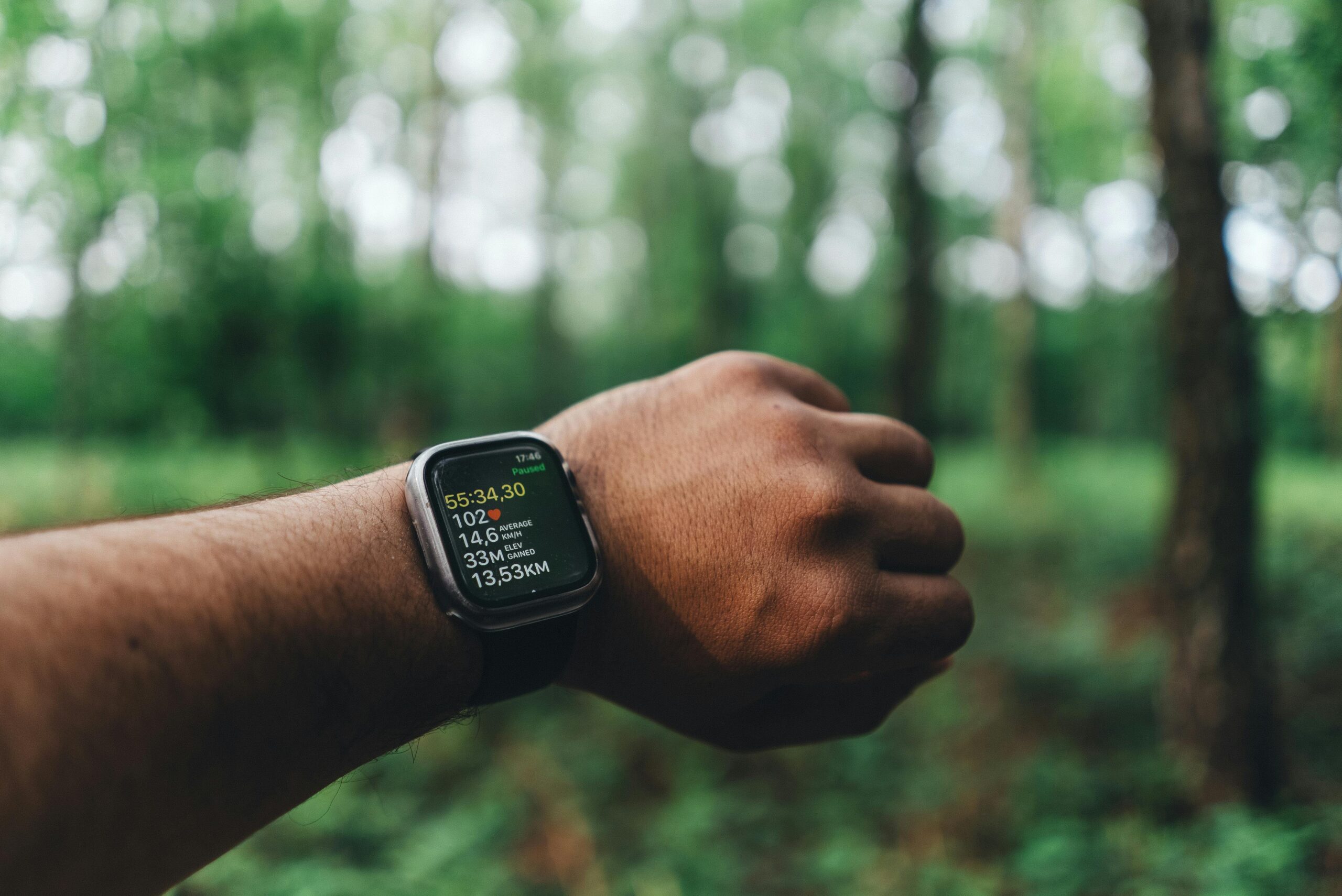
🔄 The Evolving Relationship Between Technology and Wellness
As wearable health analytics becomes increasingly sophisticated and accessible, our relationship with personal wellness continues to evolve. Technology empowers individuals to take unprecedented ownership of their health, transitioning from passive recipients of healthcare to active participants in wellness optimization.
This democratization of health information has the potential to reduce health disparities by making advanced monitoring and insights available beyond expensive clinical settings. However, ensuring equitable access to these technologies and the digital literacy needed to leverage them remains an important challenge that the health technology community must address.
Looking forward, the integration of wearable analytics with genetic information, environmental data, and social determinants of health will create even more personalized wellness strategies. Imagine systems that consider your genetic predisposition to certain conditions, local air quality affecting respiratory health, food availability in your neighborhood, and work schedule demands when providing health recommendations.
The future of wellness lies in this intersection of comprehensive data collection, sophisticated analytics, artificial intelligence, and human-centered design that makes complex health information accessible and actionable. Wearable health data analytics represents not just a technological advancement, but a fundamental reimagining of how we understand, monitor, and optimize our health throughout our lives. By embracing these tools thoughtfully and integrating their insights into holistic wellness strategies, we can unlock our full health potential and live smarter, healthier, more vibrant lives. ✨