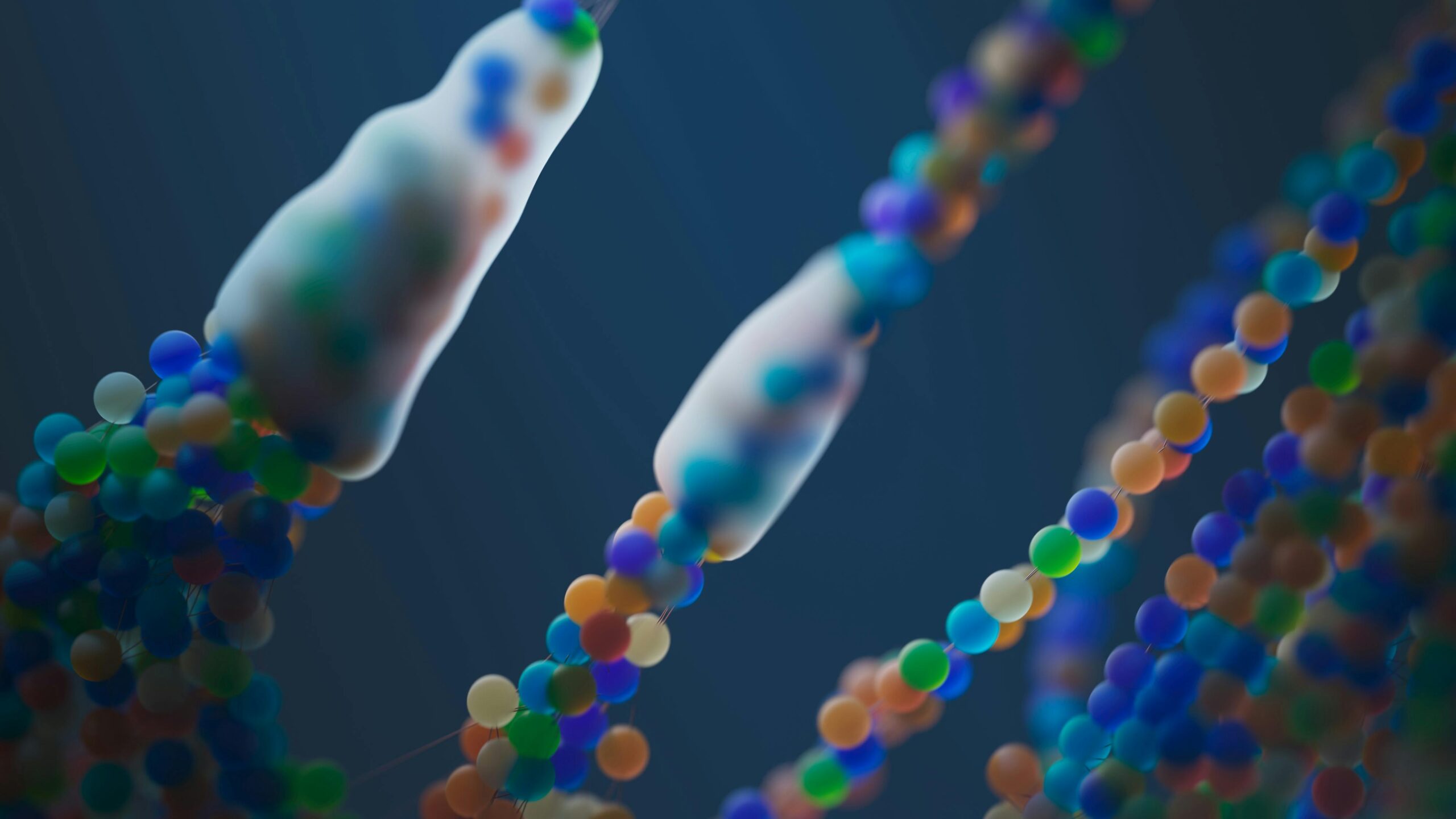
The future of wellness is personal, precise, and powered by the trillions of microorganisms living inside you. Your microbiome holds the key to unlocking optimal health.

For decades, health advice has followed a one-size-fits-all approach, leaving countless individuals frustrated with generic diet plans and wellness programs that simply don’t work for their unique bodies. The revolutionary field of microbiome science is changing everything we thought we knew about health, nutrition, and disease prevention. By understanding the complex ecosystem of bacteria, fungi, viruses, and other microorganisms residing in your gut, you can now access truly personalized health strategies that address your body’s specific needs at the molecular level.
🔬 Understanding Your Microbiome: The Foundation of Personalized Health
Your gut microbiome is home to approximately 100 trillion microorganisms, collectively weighing about 2-3 pounds and containing more genetic material than your own human cells. This microscopic universe influences virtually every aspect of your health, from digestion and immunity to mental health and weight management. Each person’s microbiome is as unique as a fingerprint, shaped by genetics, diet, lifestyle, environment, and early life experiences.
The composition of your microbiome determines how efficiently you digest food, produce essential vitamins, regulate inflammation, and even manufacture neurotransmitters that affect your mood and cognitive function. When your microbiome falls out of balance—a condition known as dysbiosis—it can contribute to a wide range of health issues including obesity, diabetes, autoimmune diseases, depression, and chronic fatigue.
The Science Behind Microbiome Testing
Modern microbiome testing uses advanced DNA sequencing technology to identify and quantify the thousands of microbial species living in your gut. Unlike traditional medical tests that look for disease markers, microbiome analysis provides a comprehensive snapshot of your internal ecosystem, revealing imbalances before they manifest as symptoms.
These sophisticated tests analyze stool samples to determine the diversity and abundance of different bacterial species, identify beneficial microbes that may be lacking, and detect potentially harmful organisms that may be overrepresented. The results provide actionable insights that form the foundation of personalized health interventions.
💪 How Personalized Microbiome Plans Transform Your Wellness Journey
Traditional health advice often fails because it ignores the biological reality that different people respond differently to the same foods, supplements, and lifestyle interventions. What causes weight gain in one person might promote weight loss in another, depending on their unique microbiome composition.
Personalized microbiome-based health plans take the guesswork out of wellness by providing specific recommendations tailored to your individual microbial profile. These customized strategies address your body’s unique strengths and weaknesses, maximizing results while minimizing wasted effort on ineffective interventions.
Precision Nutrition Based on Your Gut Bacteria
Your microbiome determines how you metabolize different foods and nutrients. Some people harbor bacteria that efficiently extract energy from complex carbohydrates, while others have microbial populations better suited to high-fat diets. Certain bacterial strains help you digest dairy products, while their absence causes lactose intolerance.
Microbiome-based nutrition plans identify which foods will nourish your beneficial bacteria, which will feed potentially harmful species, and which your unique system processes most efficiently. This approach moves beyond calorie counting to focus on feeding your microbiome the specific prebiotics, probiotics, and nutrients it needs to thrive.
Targeted Supplement Recommendations
The supplement industry generates billions in revenue, yet most people take vitamins and probiotics without knowing whether they actually need them. Microbiome testing reveals specific deficiencies in beneficial bacterial strains, allowing for targeted probiotic supplementation with strains you actually lack, rather than generic formulations that may not address your needs.
Your microbial profile also indicates whether you’re likely to have deficiencies in vitamins produced by gut bacteria, such as vitamin K2, B vitamins, and short-chain fatty acids. This information enables precise supplementation that addresses actual gaps rather than assumed needs.
🎯 Key Areas Improved by Microbiome-Based Health Plans
The benefits of personalized microbiome optimization extend far beyond digestive health, touching virtually every system in your body. Here are the most significant areas where microbiome-based interventions deliver transformative results.
Weight Management and Metabolic Health
Research has identified specific bacterial species associated with obesity and metabolic dysfunction. Some microbes are remarkably efficient at extracting calories from food, while others produce compounds that regulate appetite, fat storage, and blood sugar levels. By shifting your microbial composition toward species associated with lean body mass and healthy metabolism, personalized microbiome plans can facilitate sustainable weight management where traditional diets have failed.
Studies show that the ratio of Firmicutes to Bacteroidetes bacteria influences weight, with higher proportions of Firmicutes linked to obesity. Personalized interventions can deliberately shift this ratio through targeted dietary changes and probiotic supplementation.
Immune System Optimization
Approximately 70% of your immune system resides in your gut, where it constantly interacts with your microbiome. A diverse, balanced microbial ecosystem trains your immune system to distinguish between harmful pathogens and harmless substances, reducing autoimmune responses and allergies while maintaining vigilance against genuine threats.
Microbiome-based health plans strengthen immune function by promoting beneficial bacteria that produce anti-inflammatory compounds, maintain the integrity of the gut barrier, and stimulate appropriate immune responses. This approach has shown promise in reducing the frequency of infections, alleviating autoimmune symptoms, and decreasing chronic inflammation.
Mental Health and Cognitive Function 🧠
The gut-brain axis—the bidirectional communication system between your digestive tract and brain—means your microbiome directly influences your mental state. Gut bacteria produce approximately 95% of your body’s serotonin, along with other neurotransmitters that regulate mood, anxiety, and cognitive performance.
Personalized microbiome interventions have demonstrated effectiveness in reducing symptoms of depression, anxiety, and brain fog by promoting species that produce mood-regulating compounds and reducing inflammatory bacteria linked to mental health disorders. This nutritional psychiatry approach offers a powerful complement to traditional mental health treatments.
Energy Levels and Sleep Quality
Your microbiome influences circadian rhythms, energy metabolism, and the production of sleep-regulating hormones. Certain bacterial species help convert tryptophan into melatonin, while others produce compounds that affect energy production at the cellular level. Optimizing your microbial composition can lead to improved sleep quality, more stable energy throughout the day, and reduced afternoon crashes.
🚀 Getting Started with Your Personalized Microbiome Plan
Embarking on a microbiome-based wellness journey involves several key steps, from initial testing through ongoing optimization. While the process is more involved than simply following a generic diet, the personalized results make the effort worthwhile.
Choosing a Microbiome Testing Service
Several reputable companies now offer at-home microbiome testing kits that provide detailed analysis and personalized recommendations. When selecting a service, look for those that use shotgun metagenomic sequencing rather than older 16S rRNA technology, as this provides more comprehensive and accurate results.
Quality testing services should provide clear, actionable reports that explain your results in understandable terms, identify specific imbalances, and offer concrete recommendations for improvement. Some services also offer follow-up testing to track your progress over time.
Implementing Your Personalized Recommendations
Once you receive your microbiome analysis, the real work begins. Most personalized plans include dietary modifications to increase beneficial bacteria and starve out problematic species, targeted probiotic supplementation with specific strains you lack, prebiotic foods that nourish your existing beneficial microbes, and lifestyle adjustments that support microbial diversity.
Implementation typically follows a phased approach, starting with the most impactful changes and gradually adding additional interventions. This prevents overwhelming your system and allows you to identify which specific changes produce the most significant benefits for you.
Tracking Progress and Refinement
Your microbiome is dynamic, constantly responding to dietary changes, stress levels, medications, and environmental factors. Successful optimization requires ongoing attention and periodic retesting to assess progress and refine your approach. Most experts recommend retesting every 3-6 months initially, then annually once you’ve achieved a stable, healthy microbial balance.
Beyond formal retesting, pay attention to subjective improvements in digestion, energy, mood, sleep, and overall wellbeing. These real-world outcomes matter more than abstract bacterial counts, though both provide valuable feedback for ongoing optimization.
🌟 Advanced Strategies for Microbiome Optimization
Once you’ve implemented the foundational elements of your personalized plan, several advanced strategies can further enhance your results and accelerate your progress toward optimal microbial health.
Dietary Diversity and Rotation
Microbial diversity is one of the strongest predictors of overall health, with more diverse microbiomes associated with better metabolic function, stronger immunity, and reduced disease risk. To promote diversity, aim to consume 30 different plant foods per week, including vegetables, fruits, whole grains, legumes, nuts, seeds, and herbs.
Rotating your food choices rather than eating the same meals repeatedly exposes your microbiome to a wider range of fibers and plant compounds, encouraging a more varied microbial population. This approach is more effective than focusing on a narrow range of “superfoods” regardless of how nutritious they may be individually.
Targeted Probiotic Cycling
Rather than taking the same probiotic supplement indefinitely, advanced protocols involve cycling between different strains based on your changing needs and seasons. This prevents your system from becoming too dependent on supplemental bacteria while ensuring you continue to receive benefits from probiotic interventions.
Some practitioners recommend taking probiotics for 2-3 months, then taking a month off to allow your native bacteria to reassert themselves, before resuming with a different formulation. This approach maintains microbial dynamism while preventing stagnation.
Stress Management and Microbiome Health
Chronic stress dramatically impacts your microbiome through multiple mechanisms, including altered gut motility, increased intestinal permeability, and changes in immune function. Stress reduction techniques such as meditation, deep breathing, yoga, and regular exercise support microbial health by reducing inflammatory signals that harm beneficial bacteria.
Your personalized plan should include stress management strategies tailored to your lifestyle and preferences, recognizing that psychological wellbeing and microbial health are inseparably linked through the gut-brain axis.
💡 The Future of Microbiome-Based Medicine
We’re only beginning to understand the therapeutic potential of microbiome manipulation. Emerging research explores fecal microbiota transplantation for conditions beyond C. difficile infection, engineered probiotics designed to produce therapeutic compounds, personalized phage therapy targeting specific harmful bacteria, and microbiome-based diagnostics that predict disease risk years before symptoms appear.
As our understanding deepens and technology advances, microbiome-based health optimization will become increasingly sophisticated, offering ever more precise interventions tailored to individual needs. What seems cutting-edge today will be standard preventive care tomorrow.
🎓 Making Microbiome Health Sustainable Long-Term
The most scientifically advanced health plan is worthless if you can’t maintain it over time. Sustainable microbiome optimization requires finding the balance between ideal interventions and realistic implementation within your actual life circumstances.
Building Microbiome-Friendly Habits
Rather than relying on willpower to follow rigid protocols, focus on building lasting habits that naturally support microbial health. Start with small changes that feel manageable, such as adding one probiotic-rich food to your daily routine, then gradually expand your repertoire as new habits become automatic.
Environmental design helps tremendously—stock your kitchen with microbiome-friendly foods, prepare larger batches of beneficial meals for convenient reheating, and remove temptations that feed harmful bacteria. Make the right choices the easy choices.
Social Support and Community
Wellness journeys are more successful and enjoyable when pursued in community. Connect with others following microbiome-based health plans through online forums, local meetups, or by encouraging friends and family to join you. Sharing recipes, experiences, and encouragement makes the process less isolating and more sustainable.
Consider working with a healthcare practitioner trained in functional medicine or nutritional therapy who can provide personalized guidance, interpret your test results in context, and adjust your plan as your needs evolve.

🌈 Transforming Your Relationship with Health
Perhaps the most profound benefit of microbiome-based health optimization isn’t any single physical improvement, but the fundamental shift in how you relate to your body and wellbeing. Rather than fighting against your biology with restrictive diets and punishing exercise regimens, you learn to work with your body’s innate wisdom, supporting the microbial ecosystem that supports you.
This approach reframes health from an external battle to an internal collaboration, from deprivation to nourishment, from generic protocols to personalized care. You become an active participant in your wellness rather than a passive recipient of one-size-fits-all advice.
Your microbiome represents an opportunity to take control of your health in ways that were simply impossible just a decade ago. By understanding your unique microbial fingerprint and implementing targeted interventions based on that knowledge, you can address the root causes of health challenges rather than merely managing symptoms. The path to optimal living isn’t through following someone else’s plan—it’s through discovering and implementing the approach that works uniquely for your body, supported by the trillions of microscopic allies living within you.
The wellness revolution is personal, and it starts in your gut. By embracing microbiome-based health optimization, you’re not just following the latest trend—you’re participating in a fundamental reimagining of what personalized medicine can achieve. Your journey to optimal living begins with understanding the microscopic ecosystem that makes you who you are, then giving it exactly what it needs to help you thrive. 🌱