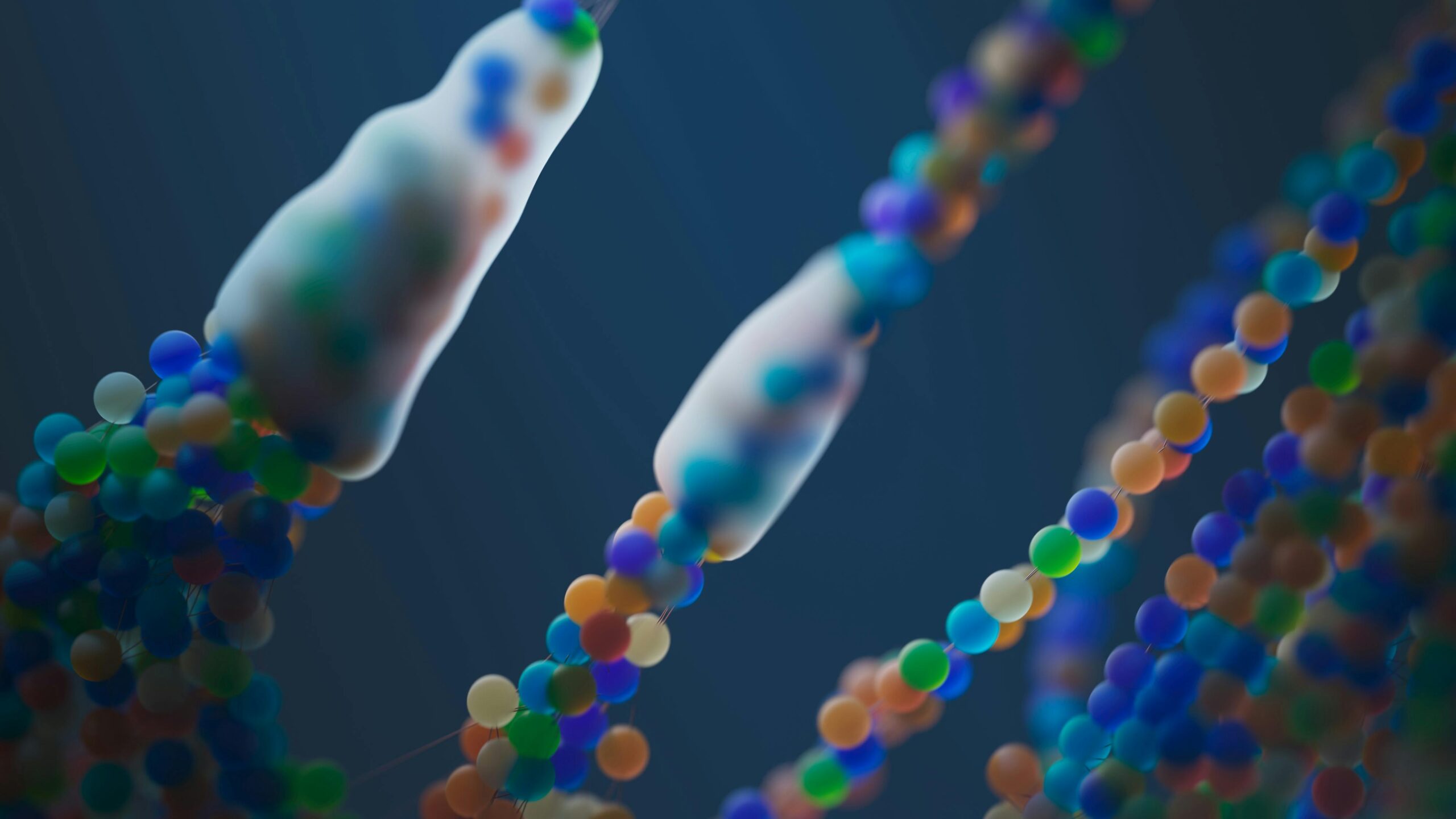
Cancer remains one of the most formidable health challenges of our time, affecting millions of lives globally. The landscape of cancer treatment is undergoing a dramatic transformation through precision oncology, a revolutionary approach that tailors therapies to individual patients based on their unique genetic makeup and tumor characteristics.

Traditional cancer treatments have long followed a one-size-fits-all approach, where patients with similar diagnoses received identical therapies regardless of their biological differences. This paradigm is rapidly shifting as researchers and clinicians harness the power of genomic sequencing, molecular profiling, and advanced diagnostic technologies to deliver targeted interventions that promise better outcomes with fewer side effects.
🔬 Understanding Precision Oncology: A Paradigm Shift in Cancer Treatment
Precision oncology represents a fundamental departure from conventional cancer care methodologies. Rather than treating cancer based solely on its anatomical location—such as lung cancer or breast cancer—this innovative approach analyzes the molecular and genetic alterations driving each individual tumor’s growth and spread.
The foundation of precision oncology rests on comprehensive genomic testing that identifies specific mutations, protein expressions, and biomarkers within cancer cells. These molecular fingerprints provide oncologists with actionable intelligence to select therapies most likely to be effective against a patient’s specific cancer type while minimizing unnecessary exposure to treatments unlikely to work.
This personalized strategy has already demonstrated remarkable success in certain cancer types. Patients with specific genetic mutations in their tumors can now receive targeted therapies designed to attack those precise molecular abnormalities, often achieving response rates significantly higher than traditional chemotherapy while experiencing fewer debilitating side effects.
The Science Behind Personalized Cancer Medicine
At the molecular level, cancer develops through accumulated genetic mutations that allow cells to grow uncontrollably and evade the body’s natural defense mechanisms. Different tumors, even within the same cancer type, may harbor distinct genetic alterations that influence their behavior, aggressiveness, and response to treatment.
Genomic Profiling and Next-Generation Sequencing
Next-generation sequencing technologies have revolutionized our ability to decode cancer genomes rapidly and affordably. These sophisticated techniques can analyze hundreds of genes simultaneously, identifying mutations, amplifications, deletions, and other genetic alterations that may serve as therapeutic targets or predictive biomarkers.
Comprehensive genomic profiling typically examines both DNA and RNA from tumor samples, providing insights into:
- Driver mutations that fuel cancer growth and could be targeted with specific drugs
- Resistance mechanisms that might explain why certain treatments fail
- Immunotherapy biomarkers predicting response to immune checkpoint inhibitors
- Hereditary cancer syndromes requiring family screening and prevention strategies
- Prognostic indicators helping estimate disease trajectory and outcomes
Liquid Biopsies: The Non-Invasive Revolution
Beyond traditional tissue biopsies, liquid biopsies have emerged as a groundbreaking innovation in precision oncology. These minimally invasive blood tests detect circulating tumor DNA (ctDNA), cancer cells, and other tumor-derived materials in the bloodstream, offering multiple advantages for personalized cancer care.
Liquid biopsies enable real-time monitoring of treatment response, early detection of resistance development, and identification of emerging mutations without requiring repeated invasive procedures. This technology proves particularly valuable for tumors located in difficult-to-access anatomical sites or for patients whose health status makes surgical biopsies risky.
🎯 Targeted Therapies: Precision Weapons Against Cancer
The translation of genomic discoveries into clinical applications has yielded an expanding arsenal of targeted therapies designed to interfere with specific molecules essential for cancer cell survival and proliferation. Unlike traditional chemotherapy that attacks all rapidly dividing cells, these precision medicines selectively target cancer cells while largely sparing healthy tissues.
Success Stories in Targeted Cancer Treatment
Several targeted therapies have transformed previously lethal cancers into manageable chronic conditions. Chronic myeloid leukemia (CML), once a uniformly fatal disease, now boasts survival rates exceeding 90% thanks to tyrosine kinase inhibitors targeting the BCR-ABL fusion protein characteristic of this malignancy.
Similarly, patients with HER2-positive breast cancer benefit from HER2-targeted antibodies and small molecule inhibitors that have dramatically improved survival outcomes. Lung cancer patients harboring EGFR mutations or ALK rearrangements experience remarkable responses to corresponding targeted therapies, often achieving disease control for years with oral medications that cause minimal toxicity compared to traditional chemotherapy.
Melanoma treatment has been revolutionized by BRAF and MEK inhibitors for patients whose tumors harbor BRAF V600 mutations. These combination therapies produce rapid tumor shrinkage in the majority of eligible patients, transforming the prognosis for advanced melanoma from months to years of survival.
Immunotherapy: Unleashing the Body’s Natural Defense System
Precision oncology extends beyond targeted molecular therapies to encompass personalized immunotherapy approaches that harness the patient’s immune system to recognize and destroy cancer cells. Immune checkpoint inhibitors have emerged as one of oncology’s most significant breakthroughs, demonstrating durable responses across multiple cancer types.
These revolutionary treatments work by releasing the brakes on immune cells, enabling them to mount effective anti-tumor responses. Biomarkers such as PD-L1 expression and tumor mutational burden help identify patients most likely to benefit from these therapies, exemplifying the precision oncology principle of matching the right treatment to the right patient.
CAR-T Cell Therapy: Engineering Immune Cells to Fight Cancer
Chimeric antigen receptor T-cell (CAR-T) therapy represents the ultimate personalization in cancer treatment. This approach involves extracting a patient’s immune cells, genetically engineering them to recognize specific cancer antigens, expanding them in laboratory settings, and reinfusing them to attack tumors with laser-like precision.
CAR-T therapies have achieved remarkable success in certain blood cancers, including acute lymphoblastic leukemia and diffuse large B-cell lymphoma, producing complete remissions in patients who had exhausted all other treatment options. Ongoing research aims to expand this technology to solid tumors and develop more accessible, off-the-shelf versions.
💡 Overcoming Challenges in Precision Oncology Implementation
Despite its transformative potential, precision oncology faces several obstacles that must be addressed to realize its full promise for all cancer patients worldwide.
Access and Affordability Concerns
Advanced genomic testing and targeted therapies often come with substantial costs that may create disparities in access to precision cancer care. Many patients, particularly in resource-limited settings or those without comprehensive insurance coverage, face financial barriers preventing them from benefiting from these innovations.
Healthcare systems must develop sustainable strategies to make precision oncology accessible across socioeconomic strata, including negotiating reasonable drug pricing, expanding insurance coverage for molecular testing, and supporting research into more cost-effective diagnostic and therapeutic approaches.
Tumor Heterogeneity and Treatment Resistance
Cancer’s remarkable adaptability poses ongoing challenges for precision medicine strategies. Tumors exhibit heterogeneity both between different regions of the same tumor and among metastatic sites, meaning that a single biopsy may not capture the complete molecular landscape of a patient’s disease.
Additionally, cancer cells frequently develop resistance mechanisms that allow them to evade targeted therapies. Addressing these challenges requires serial monitoring through liquid biopsies, combination treatment strategies targeting multiple pathways simultaneously, and development of next-generation therapies effective against resistant disease.
Data Integration and Clinical Decision Support
The wealth of molecular information generated by comprehensive genomic profiling can overwhelm clinicians unfamiliar with interpreting complex genetic data. Translating genomic findings into actionable treatment recommendations requires sophisticated bioinformatics tools, access to expert molecular tumor boards, and continuous education for oncology professionals.
Artificial intelligence and machine learning algorithms hold promise for analyzing vast datasets, identifying patterns predictive of treatment response, and providing evidence-based clinical decision support to guide precision oncology treatment selection.
🌐 The Future Landscape of Personalized Cancer Care
As precision oncology continues evolving, several emerging technologies and approaches promise to further revolutionize cancer treatment in the coming years.
Multi-Omics Integration
Future precision oncology will integrate multiple layers of biological information beyond genomics alone. Proteomics, metabolomics, epigenomics, and microbiome analysis will provide comprehensive understanding of the factors influencing cancer development and treatment response, enabling even more refined therapeutic strategies.
This systems biology approach recognizes that cancer behavior emerges from complex interactions among genetic alterations, protein expressions, metabolic pathways, and environmental influences. Integrating these diverse data streams will yield holistic patient profiles guiding truly personalized treatment plans.
Preventive Precision Oncology
The principles of precision medicine extend beyond treatment to cancer prevention and early detection. Genetic testing identifies individuals with hereditary cancer predisposition syndromes, enabling intensive surveillance programs and risk-reducing interventions before cancer develops.
Multi-cancer early detection tests analyzing circulating tumor DNA hold promise for identifying multiple cancer types at early, curable stages in asymptomatic individuals. Combined with precision risk assessment models incorporating genetic, lifestyle, and environmental factors, these technologies could shift cancer care from reaction to proactive prevention.
Digital Health Technologies Supporting Precision Oncology
Digital health platforms increasingly play crucial roles in precision cancer care by facilitating remote monitoring, patient-reported outcomes collection, and treatment adherence support. Mobile applications help patients track symptoms, medication schedules, and side effects, providing oncologists with real-time data informing treatment adjustments.
Wearable devices and sensors capture continuous physiological data that may reveal treatment toxicities or disease progression earlier than conventional assessments. Telemedicine platforms expand access to specialized precision oncology expertise for patients in underserved geographic areas.
Patient Empowerment Through Precision Oncology ❤️
Beyond clinical benefits, precision oncology fundamentally transforms the patient experience by fostering active participation in treatment decisions. When patients understand the molecular characteristics of their cancer and the rationale behind personalized treatment recommendations, they become informed partners in their care rather than passive recipients of standardized protocols.
This empowerment extends to shared decision-making conversations about treatment options, risk-benefit assessments, and quality-of-life considerations. Precision oncology enables more nuanced discussions about expected outcomes, potential side effects, and alternative approaches tailored to individual circumstances and preferences.
Patient advocacy organizations and online communities provide valuable resources helping individuals navigate the precision oncology landscape, understand their genomic test results, and connect with others sharing similar molecular diagnoses across traditional cancer type boundaries.
Building the Evidence Base for Precision Cancer Medicine
Realizing precision oncology’s full potential requires robust clinical research validating which biomarkers reliably predict treatment response and which therapeutic combinations optimize outcomes for specific molecular subgroups. Traditional clinical trial designs often prove inadequate for precision medicine questions involving relatively small patient populations defined by rare genetic alterations.
Innovative trial designs including basket trials (testing one drug across multiple cancer types sharing a molecular feature) and umbrella trials (assigning different treatments based on molecular profiles within a single cancer type) have emerged to efficiently evaluate precision oncology strategies.
Real-world evidence gathered from electronic health records, tumor registries, and post-market surveillance increasingly complements data from controlled clinical trials, providing insights into precision medicine effectiveness in diverse patient populations encountered in routine clinical practice.
🔑 Key Takeaways: The Precision Oncology Revolution
Precision oncology represents far more than incremental improvement in cancer care—it embodies a fundamental reconceptualization of how we understand, diagnose, and treat malignant diseases. By recognizing cancer’s molecular diversity and tailoring interventions to individual tumor characteristics, this approach maximizes therapeutic benefit while minimizing unnecessary toxicity.
The journey toward fully personalized cancer medicine continues, with each scientific discovery and technological innovation bringing us closer to a future where cancer becomes a manageable chronic condition for most patients rather than a death sentence. Success requires continued investment in research, equitable access to advanced diagnostics and therapies, and collaborative efforts among researchers, clinicians, patients, and healthcare systems.
As we stand at this transformative moment in oncology history, the promise of precision medicine offers renewed hope to millions affected by cancer worldwide. Through continued dedication to scientific discovery and commitment to translating innovations into accessible clinical care, we move steadily toward a future where every cancer patient receives truly personalized treatment designed specifically for their unique disease—revolutionizing outcomes and saving countless lives.