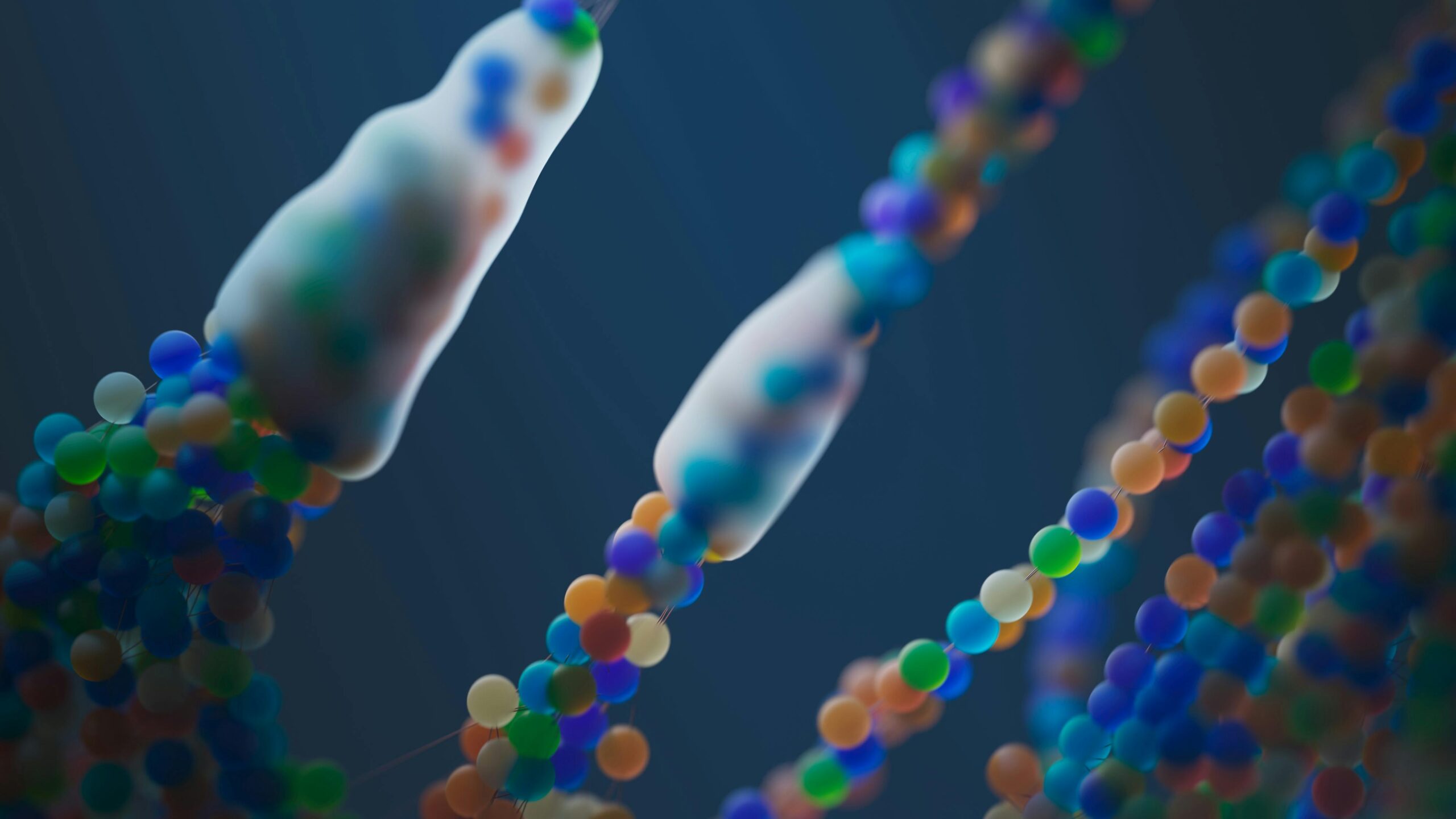
The food on your plate holds far more power than simply fueling your body. Every bite you take sends molecular signals that can activate or silence genes, fundamentally altering how your body functions, ages, and resists disease.

This revolutionary understanding has given birth to epigenetic food modulation—a groundbreaking approach that empowers you to take control of your genetic expression through strategic dietary choices. Rather than being prisoners of our DNA, we now understand that we can influence our genetic destiny through the foods we consume daily.
🧬 Understanding the Epigenetic Revolution in Nutrition
Epigenetics represents one of the most exciting frontiers in modern health science. Unlike genetics, which deals with the fixed sequence of DNA we inherit from our parents, epigenetics examines how environmental factors—particularly nutrition—can turn genes on or off without changing the underlying DNA sequence itself.
Think of your genome as a massive library containing thousands of books. Epigenetics determines which books are opened and read, which remain closed, and how loudly each story is told. The remarkable discovery is that the foods you eat act as librarians, deciding which genetic instructions your cells should follow.
This gene expression modification occurs through several mechanisms, including DNA methylation, histone modification, and microRNA regulation. When you consume specific nutrients, they trigger chemical tags that attach to your DNA or the proteins around which DNA wraps, effectively switching genes on or off.
The Molecular Messengers in Your Meals
Bioactive compounds in whole foods serve as powerful epigenetic modulators. Polyphenols, flavonoids, carotenoids, and other phytonutrients communicate directly with your genetic machinery, influencing everything from inflammation responses to cellular aging processes.
Sulforaphane from broccoli sprouts, resveratrol from grapes, curcumin from turmeric, and epigallocatechin gallate from green tea—these aren’t just antioxidants. They’re sophisticated molecular switches that can reprogram your genetic expression toward health and longevity.
🥗 Strategic Foods That Rewrite Your Genetic Story
Certain foods have demonstrated particularly powerful epigenetic effects in scientific research. Building your diet around these nutritional powerhouses can fundamentally transform your health trajectory by optimizing gene expression patterns.
Cruciferous Vegetables: Nature’s Gene Activators
Broccoli, cauliflower, Brussels sprouts, kale, and cabbage contain glucosinolates that break down into compounds like sulforaphane and indole-3-carbinol. These molecules activate genes involved in detoxification while silencing genes that promote inflammation and cancer development.
Research shows that consuming cruciferous vegetables just three times weekly can significantly modify methylation patterns associated with reduced cancer risk and improved cellular cleanup processes called autophagy.
Berries: Anthocyanin-Rich Epigenetic Modulators
Blueberries, blackberries, strawberries, and raspberries deliver concentrated doses of anthocyanins and other polyphenols that influence histone modifications. These compounds have been shown to enhance genes related to cognitive function, cardiovascular health, and metabolic regulation.
Studies indicate that regular berry consumption can modify expression of genes involved in insulin signaling, potentially reversing some epigenetic markers associated with type 2 diabetes.
Omega-3 Fatty Acids: Membrane-Level Gene Regulation
Fatty fish like salmon, mackerel, and sardines provide EPA and DHA that integrate into cell membranes and influence gene transcription factors. These essential fats modify inflammatory gene expression, supporting cardiovascular health and neurological function at the genetic level.
Plant-based sources like flaxseeds, chia seeds, and walnuts offer ALA, which the body partially converts to EPA and DHA, providing additional epigenetic benefits.
Fermented Foods: Microbiome-Mediated Genetic Influence
Kimchi, sauerkraut, kefir, yogurt, and kombucha introduce beneficial bacteria that produce metabolites capable of epigenetic modulation. Short-chain fatty acids like butyrate, produced when gut bacteria ferment fiber, directly influence histone acetylation throughout the body.
This microbiome-genome dialogue represents an indirect but powerful form of epigenetic food modulation, where foods feed beneficial bacteria that then communicate with your genes.
💡 Implementing Your Epigenetic Eating Strategy
Understanding epigenetic principles is valuable, but transformation comes through consistent application. Building a practical eating pattern around epigenetic modulation requires both strategic food selection and optimal timing.
The Phytonutrient Rainbow Approach
Different colored plant foods contain distinct phytonutrient profiles with unique epigenetic effects. By consuming a rainbow of colors daily, you ensure comprehensive genetic modulation across multiple pathways.
- Red foods (tomatoes, red peppers, watermelon): Lycopene influences genes related to oxidative stress and cardiovascular function
- Orange/yellow foods (carrots, sweet potatoes, citrus): Beta-carotene and vitamin C support immune gene expression
- Green foods (leafy vegetables, green tea): Chlorophyll and catechins optimize detoxification gene pathways
- Blue/purple foods (berries, eggplant, purple cabbage): Anthocyanins enhance neurological and metabolic gene expression
- White/tan foods (garlic, onions, mushrooms): Allicin and beta-glucans modulate inflammatory gene responses
Meal Timing and Circadian Gene Expression
When you eat matters almost as much as what you eat. Your genes follow circadian rhythms, and nutrient timing can optimize these natural cycles. Consuming the majority of calories earlier in the day aligns with metabolic gene expression patterns, while time-restricted eating creates beneficial epigenetic adaptations.
Research suggests that confining food intake to an 8-12 hour window allows extended periods when cellular repair genes activate and inflammatory genes quiet down, creating favorable epigenetic patterns associated with longevity.
🔬 Epigenetic Nutrients Beyond Whole Foods
While whole foods should form the foundation, certain nutrients have such profound epigenetic effects that strategic supplementation may accelerate positive genetic modulation, particularly when dietary intake proves challenging.
Methylation Supporters: The B-Vitamin Complex
Folate, B12, B6, and choline serve as methyl donors, providing the chemical groups necessary for DNA methylation. Deficiencies in these nutrients can lead to inappropriate gene silencing or activation, contributing to various health challenges.
Leafy greens, legumes, eggs, and liver provide these nutrients naturally, but individuals with genetic variations (like MTHFR mutations) may benefit from methylated B-vitamin supplementation to optimize epigenetic processes.
Polyphenol Concentration Through Strategic Supplementation
While obtaining polyphenols from whole foods remains ideal, concentrated forms of resveratrol, curcumin, and green tea extract can provide therapeutic doses that maximize epigenetic benefits, particularly for specific health goals.
Quality matters significantly with supplements. Look for standardized extracts with enhanced bioavailability and third-party testing to ensure you’re receiving compounds capable of reaching tissues and influencing gene expression.
📊 Tracking Your Epigenetic Transformation
Unlike traditional diets focused solely on weight loss, epigenetic eating produces changes at the molecular level that manifest gradually across multiple health markers. Understanding what to monitor helps maintain motivation during your transformation.
| Timeframe | Observable Changes | Underlying Epigenetic Shifts |
|---|---|---|
| 1-2 weeks | Improved energy, reduced bloating, better sleep quality | Initial microbiome shifts, circadian gene alignment |
| 1-3 months | Clearer skin, stable moods, improved digestion | Inflammatory gene downregulation, metabolic optimization |
| 3-6 months | Weight normalization, enhanced immunity, mental clarity | Significant methylation pattern changes, cellular repair activation |
| 6-12 months | Biomarker improvements, reduced disease risk indicators | Comprehensive epigenetic reprogramming toward health patterns |
Biomarkers That Reflect Epigenetic Health
Standard blood work can reveal epigenetic improvements even before you notice subjective changes. Monitoring inflammatory markers like C-reactive protein, metabolic indicators like hemoglobin A1c, and lipid profiles provides objective evidence of favorable gene expression changes.
Advanced testing options now include epigenetic age clocks that measure biological versus chronological age by analyzing methylation patterns. These tests can demonstrate whether your dietary approach is literally turning back your biological clock.
🌱 Lifestyle Factors That Amplify Food-Based Epigenetics
Nutrition represents the most direct dietary influence on gene expression, but other lifestyle factors create synergistic effects that maximize the benefits of epigenetic food modulation.
Exercise: Mechanical Signals for Genetic Adaptation
Physical activity triggers profound epigenetic changes, particularly in genes related to mitochondrial function, muscle development, and metabolic health. When combined with strategic nutrition, exercise creates complementary epigenetic modifications that accelerate transformation.
Both resistance training and cardiovascular exercise induce distinct epigenetic signatures. A balanced approach incorporating both modalities, fueled by nutrient-dense foods, optimizes comprehensive genetic expression patterns.
Stress Management: Protecting Positive Epigenetic Gains
Chronic psychological stress activates genes associated with inflammation and cellular aging, potentially counteracting the benefits of optimal nutrition. Meditation, breathwork, nature exposure, and adequate sleep protect and enhance positive epigenetic modifications from dietary choices.
Cortisol and other stress hormones directly influence gene transcription. Managing stress through lifestyle practices ensures that the epigenetic signals from nutritious foods aren’t overwhelmed by stress-induced genetic activation patterns.
🎯 Personalized Epigenetic Nutrition Strategies
While universal principles of epigenetic eating apply broadly, individual genetic variations, current health status, and personal goals necessitate customization for optimal results.
Nutrigenomics Testing: Understanding Your Unique Blueprint
Genetic testing can reveal variations that influence how your body responds to specific nutrients. For example, variations in genes like APOE, MTHFR, and FTO affect optimal dietary approaches for cardiovascular health, methylation support, and weight management respectively.
Understanding these variations allows you to emphasize foods with epigenetic effects most beneficial for your unique genetic makeup, creating a truly personalized nutrition strategy that works with rather than against your genetic tendencies.
Addressing Existing Health Conditions Through Targeted Modulation
Different health challenges respond to specific epigenetic interventions. Autoimmune conditions may benefit from foods that modulate inflammatory gene expression, while metabolic disorders respond well to compounds that enhance insulin signaling genes and mitochondrial function.
Working with healthcare practitioners knowledgeable in nutritional genomics allows you to target dietary interventions toward the epigenetic patterns most relevant to your current health situation, accelerating meaningful improvements.
🚀 Advanced Epigenetic Eating Protocols
Once you’ve established foundational epigenetic eating patterns, advanced strategies can further optimize genetic expression for specific goals like enhanced longevity, athletic performance, or cognitive optimization.
Hormetic Stress Through Phytonutrients
Many beneficial plant compounds work through hormesis—creating mild cellular stress that activates adaptive genetic responses. Compounds like sulforaphane, resveratrol, and quercetin trigger stress response genes that ultimately strengthen cellular resilience.
Cycling between higher and lower phytonutrient density periods can maximize these adaptive responses, training your genes to respond more robustly to challenges while maintaining cellular health during recovery periods.
Fasting-Mimicking Approaches for Genetic Renewal
Periodic caloric restriction or fasting-mimicking diets trigger profound epigenetic changes, activating longevity genes like sirtuins while suppressing growth pathways associated with aging and disease. These metabolic shifts complement daily epigenetic food choices.
Monthly 3-5 day cycles of reduced caloric intake with specific macronutrient ratios can induce cellular cleanup processes and stem cell regeneration, creating epigenetic patterns associated with rejuvenation when combined with nutrient-dense refeeding periods.
🌟 Creating Your Sustainable Epigenetic Lifestyle
Transformation through epigenetic food modulation isn’t a temporary diet but a sustainable approach to eating that becomes increasingly rewarding as positive genetic expression patterns solidify and health improvements compound over time.
Building Practical Meal Systems
Success requires making epigenetic eating convenient rather than complicated. Batch-preparing foundational components like roasted vegetables, cooked grains, and protein sources allows you to assemble nutrient-dense meals quickly throughout the week.
Creating template meals that incorporate multiple epigenetic food categories—such as salmon with roasted cruciferous vegetables and quinoa topped with fermented vegetables—ensures consistent beneficial genetic signaling without requiring constant meal planning.
Social and Environmental Alignment
Your food environment profoundly influences consistency. Structuring your kitchen to support epigenetic eating—keeping processed foods out while maintaining visible, accessible whole foods—creates an environment where healthy choices become automatic.
Communicating your health goals with family and friends builds social support that reinforces your commitment. Many find that as their energy, appearance, and wellbeing improve through epigenetic eating, others naturally become curious and supportive.
🔮 The Future of Personalized Epigenetic Nutrition
We stand at the beginning of a nutrition revolution. As epigenetic testing becomes more accessible and affordable, increasingly personalized dietary recommendations will emerge, allowing individuals to optimize genetic expression with unprecedented precision.
Artificial intelligence and machine learning will analyze vast datasets connecting specific foods, genetic variations, and health outcomes, creating customized nutrition protocols that maximize beneficial epigenetic modulation for each individual’s unique biology and goals.
This future of precision nutrition doesn’t diminish the power of foundational principles available now. The whole foods, phytonutrient diversity, and strategic eating patterns discussed here form the bedrock upon which personalized refinements will build.

💪 Empowering Your Genetic Potential Today
The most exciting aspect of epigenetic food modulation is that it places extraordinary power in your hands—or more accurately, on your plate. Every meal represents an opportunity to send signals that guide your genetic expression toward health, vitality, and longevity.
You don’t need expensive tests or complicated protocols to begin. Starting with simple strategies—adding more colorful vegetables, incorporating fermented foods, choosing wild-caught fish, and emphasizing whole over processed foods—initiates beneficial epigenetic changes immediately.
These small, consistent actions accumulate into profound transformations. The genes you silence today won’t contribute to disease tomorrow. The genes you activate through strategic food choices build the foundation for sustained wellness that extends far into your future.
Your genetic expression is not your destiny—it’s your opportunity. Through the power of epigenetic food modulation, you become the author of your own health story, writing new chapters with every conscious, nourishing choice you make. The transformation begins not someday, but with your very next meal.