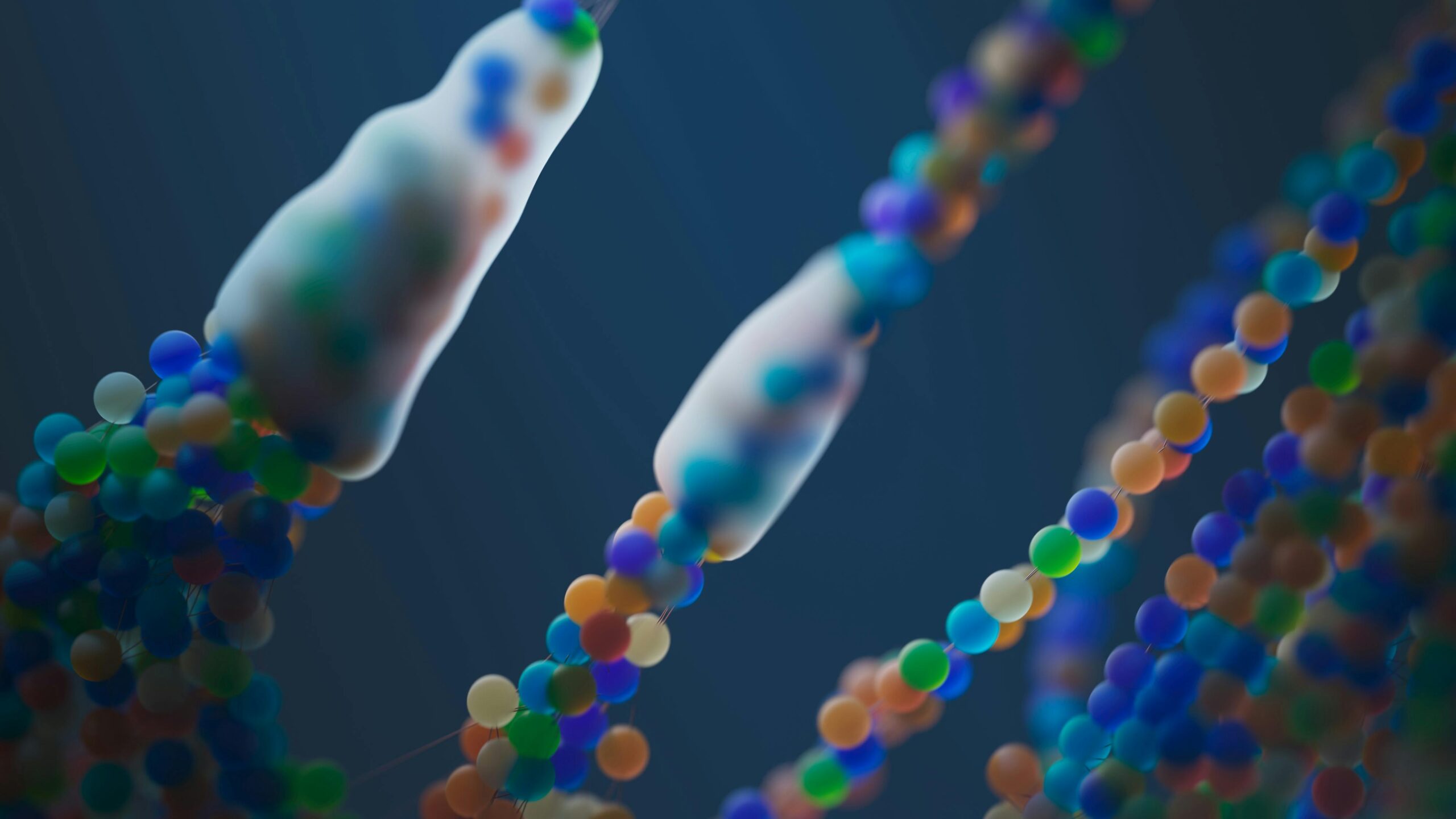
The future of medicine lies not in a pill bottle, but on our dinner plates. As science unveils the intricate dance between food and our genes, we’re discovering that what we eat can literally change how our DNA behaves, opening unprecedented possibilities for health transformation.

For centuries, humanity has understood that food fuels our bodies, but only recently have we begun to comprehend its profound role as genetic medicine. This revolutionary perspective transforms nutrition from simple calorie counting into a sophisticated tool for activating healing mechanisms, silencing disease-promoting genes, and optimizing our biological potential. The emerging field of nutrigenomics is rewriting the rules of healthcare, demonstrating that our dietary choices communicate directly with our genome, influencing everything from inflammation to longevity.
🧬 The Science Behind Food as Genetic Medicine
At the molecular level, every bite we take sends biochemical messages to our cells, triggering genetic responses that either promote health or contribute to disease. This communication happens through epigenetic modifications—changes in gene expression that don’t alter the DNA sequence itself but dramatically affect how genes function. Unlike our fixed genetic code, these epigenetic marks are remarkably malleable, responding dynamically to environmental factors, particularly diet.
Phytonutrients in plants, omega-3 fatty acids from fish, and bioactive compounds in spices act as molecular switches, turning beneficial genes on while silencing problematic ones. Sulforaphane from broccoli, for example, activates genes that produce detoxification enzymes and antioxidants, while curcumin from turmeric influences over 700 genes related to inflammation and cancer prevention. This isn’t metaphorical—it’s measurable, observable science that’s transforming our understanding of nutrition.
Epigenetics: Your Dietary Choices Talking to Your DNA
The epigenome serves as a bridge between our environment and our genetic destiny. Methyl groups attached to DNA strands can silence genes, while histone modifications can open chromatin structures, making genes more accessible for transcription. What’s revolutionary is that dietary components directly influence these processes. Folate, choline, betaine, and vitamin B12 are methyl donors that support healthy DNA methylation patterns, potentially reducing cancer risk and supporting cognitive function.
Research has demonstrated that dietary interventions can reverse harmful epigenetic patterns associated with obesity, diabetes, cardiovascular disease, and even certain cancers. A study published in the journal Nutrients showed that individuals following a Mediterranean diet exhibited favorable changes in genes related to inflammation and oxidative stress within just three months. This timeframe challenges the notion that genetic predispositions are unchangeable life sentences.
🍎 Nutrient-Dense Foods That Act as Genetic Modulators
Not all foods possess equal genetic influence. Certain nutrient-dense whole foods contain exceptional concentrations of bioactive compounds that exert powerful epigenetic effects. Understanding which foods offer the greatest therapeutic potential empowers us to construct diets that function as personalized genetic medicine.
Cruciferous Vegetables: Nature’s Genetic Switches
Broccoli, Brussels sprouts, kale, cauliflower, and cabbage contain glucosinolates that convert into isothiocyanates during chewing and digestion. These compounds activate the Nrf2 pathway, a master regulator of antioxidant and detoxification genes. Regular consumption has been linked to reduced cancer risk, improved liver function, and enhanced cellular stress resistance. The genetic impact is dose-dependent—more cruciferous vegetables translate to stronger protective effects.
Berries: Polyphenol Powerhouses for Gene Expression
Blueberries, strawberries, raspberries, and blackberries deliver concentrated doses of anthocyanins and other polyphenols that influence genes controlling inflammation, insulin sensitivity, and brain health. Studies show that berry consumption modulates genes involved in neuroplasticity, potentially protecting against cognitive decline. The diverse phytochemical profile of different berries suggests that variety maximizes genetic benefits.
Fatty Fish: Omega-3s as Genetic Anti-Inflammatories
Salmon, mackerel, sardines, and anchovies provide EPA and DHA—omega-3 fatty acids that incorporate into cell membranes and influence gene transcription factors, particularly those regulating inflammation. These essential fats can downregulate pro-inflammatory genes like NFκB while upregulating anti-inflammatory pathways. The genetic impact extends to cardiovascular health, mental wellness, and immune function.
Turmeric and Spices: Ancient Wisdom Meets Modern Genomics
Curcumin from turmeric, gingerol from ginger, and capsaicin from chili peppers demonstrate remarkable genetic modulatory properties. Curcumin influences genes involved in apoptosis (programmed cell death of damaged cells), angiogenesis (blood vessel formation in tumors), and metastasis. Black pepper’s piperine enhances curcumin absorption by up to 2000%, amplifying its genetic effects.
💪 Personalized Nutrition: Your Unique Genetic Blueprint
The one-size-fits-all approach to nutrition is becoming obsolete as genetic testing reveals individual variations in nutrient metabolism, food sensitivities, and disease susceptibilities. Single nucleotide polymorphisms (SNPs)—tiny genetic variations—can dramatically affect how we process caffeine, metabolize fats, absorb vitamins, and respond to carbohydrates.
Someone with MTHFR gene variations may require more folate from leafy greens or supplemental methylfolate to support methylation processes. Individuals with APOE4 variants benefit more from low-glycemic diets and higher omega-3 intake for cognitive protection. FTO gene variations influence satiety signals and obesity risk, suggesting personalized approaches to meal timing and macronutrient distribution.
Genetic Testing for Nutritional Optimization
Direct-to-consumer genetic testing services now offer insights into nutritional genomics, revealing predispositions and optimal dietary patterns. While not definitive predictors, these tests provide valuable information about lactose tolerance, gluten sensitivity, vitamin D metabolism, detoxification capacity, and antioxidant needs. Interpreting results with qualified healthcare professionals ensures actionable, evidence-based dietary modifications.
🔬 Disease Prevention Through Dietary Gene Modulation
The most exciting application of food as genetic medicine lies in disease prevention and management. Chronic conditions that plague modern society—cardiovascular disease, type 2 diabetes, obesity, autoimmune disorders, and certain cancers—have strong dietary and epigenetic components. By strategically using food to influence gene expression, we can intercept disease processes before they manifest clinically.
Cardiovascular Health and Genetic Expression
Dietary patterns rich in polyphenols, fiber, and omega-3 fatty acids favorably influence genes regulating cholesterol metabolism, blood pressure, endothelial function, and arterial inflammation. The Mediterranean diet consistently demonstrates cardiovascular protection partly through beneficial epigenetic modifications. Nuts, olive oil, and red wine (in moderation) contain compounds that activate sirtuins—longevity genes linked to improved metabolic health.
Cancer Prevention Through Nutritional Epigenetics
While genetic mutations can initiate cancer, epigenetic changes often determine whether tumors progress. Dietary interventions can reactivate tumor suppressor genes that have been epigenetically silenced in cancer cells. Green tea’s EGCG, soy’s genistein, and garlic’s allicin compounds demonstrate chemopreventive properties by modulating methylation patterns and histone modifications in precancerous cells.
Metabolic Disease and Dietary Intervention
Type 2 diabetes and metabolic syndrome involve dysregulated gene expression in insulin signaling pathways. Time-restricted eating, low-glycemic diets, and foods rich in fiber and resistant starch improve insulin sensitivity partly through epigenetic mechanisms. Studies show that dietary interventions can reverse prediabetic gene expression patterns, potentially preventing full disease development.
🌱 Practical Implementation: Building Your Genetic Medicine Kitchen
Translating nutrigenomic science into daily practice requires strategic food choices and meal planning. Creating a kitchen stocked with genetically beneficial foods makes healthy eating effortless and sustainable.
Essential Foods for Your Genetic Medicine Pantry
- Cruciferous vegetables (fresh or frozen for convenience)
- Colorful berries (organic when possible to minimize pesticide exposure)
- Wild-caught fatty fish or high-quality fish oil supplements
- Extra virgin olive oil (first cold-pressed, stored properly)
- Nuts and seeds (walnuts, almonds, chia, flax, pumpkin seeds)
- Legumes (lentils, chickpeas, black beans—excellent fiber sources)
- Whole grains (quinoa, oats, brown rice—intact for maximum benefit)
- Fermented foods (kimchi, sauerkraut, yogurt—for microbiome health)
- Herbs and spices (turmeric, ginger, garlic, rosemary, oregano)
- Green tea (matcha for maximum polyphenol concentration)
Meal Patterns That Optimize Gene Expression
Beyond food selection, when and how we eat influences genetic expression. Time-restricted eating (consuming meals within an 8-12 hour window) synchronizes circadian clock genes, improving metabolic health. Intermittent fasting activates autophagy genes that clear damaged cellular components. Mindful eating practices reduce stress-related gene expression that promotes inflammation.
⚕️ The Gut Microbiome: Your Second Genome
The trillions of microorganisms inhabiting our digestive tract possess their own collective genome—the microbiome—that interacts intimately with our human genes. These bacteria produce metabolites like short-chain fatty acids that directly influence our epigenome, affecting immune function, brain health, and metabolism.
Dietary fiber from vegetables, fruits, and whole grains feeds beneficial bacteria that produce butyrate, a short-chain fatty acid with powerful epigenetic effects. Butyrate acts as a histone deacetylase inhibitor, influencing gene expression in colon cells and throughout the body. Polyphenols that escape absorption in the small intestine are metabolized by gut bacteria into bioactive compounds that exert systemic genetic effects.
Feeding Your Microbiome for Optimal Gene Expression
Prebiotic foods (onions, garlic, asparagus, Jerusalem artichokes) and probiotic foods (fermented vegetables, kefir, yogurt) support microbial diversity. This diversity translates to broader production of beneficial metabolites that communicate with our genes. Avoiding excessive antibiotics, artificial sweeteners, and emulsifiers protects microbiome health and its genetic signaling capabilities.
🚀 Future Directions: Where Food and Genetic Medicine Converge
The intersection of nutrition and genomics continues expanding, with emerging research revealing ever-more sophisticated interactions between diet and DNA. Artificial intelligence now analyzes individual genetic profiles alongside dietary patterns, microbiome composition, and lifestyle factors to generate unprecedented precision nutrition recommendations.
Nutrigenomics is moving beyond correlation to causation, with mechanistic studies demonstrating exactly how specific food components alter gene expression. CRISPR-based technologies are being explored not to edit human genes but to engineer food crops with enhanced nutritional profiles—vegetables with higher sulforaphane content or grains with improved amino acid profiles.
Integrating Technology with Nutritional Genomics
Mobile applications now track not just calories but nutrient density, helping users optimize intake of specific compounds that support genetic health. Continuous glucose monitors provide real-time feedback on how individual foods affect metabolic gene expression. Wearable devices track biomarkers that reflect dietary impacts on inflammation and stress response genes.
🎯 Overcoming Barriers to Implementation
Despite compelling science, translating nutrigenomic knowledge into widespread practice faces obstacles. Cost, accessibility, food deserts, cultural preferences, and conflicting nutritional information create challenges. However, focusing on foundational principles—whole foods, plant-forward eating, minimal processing—provides genetic benefits regardless of access to expensive testing or exotic superfoods.
Education remains critical. As more healthcare providers gain training in nutritional genomics, patients receive evidence-based dietary guidance tailored to genetic profiles. Policy changes supporting subsidies for nutrient-dense foods and nutrition education programs can democratize access to food as medicine.
🌟 Empowerment Through Knowledge: Taking Control of Your Genetic Destiny
Perhaps the most transformative aspect of understanding food as genetic medicine is the empowerment it provides. Rather than viewing our genetic inheritance as an unchangeable fate, we recognize diet as a powerful tool for influencing how those genes express themselves. Every meal represents an opportunity to communicate health-promoting messages to our cells.
This perspective shift transforms the daily act of eating from routine necessity to therapeutic intervention. It acknowledges that while we cannot change our DNA sequence, we absolutely can influence which genes are active and which remain silent. This epigenetic flexibility represents hope for those with concerning family health histories and motivation for preventive action in those currently healthy.
Starting Your Genetic Medicine Journey Today
Beginning doesn’t require perfection or complete dietary overhaul. Small, consistent changes accumulate into significant epigenetic shifts over time. Adding one serving of cruciferous vegetables daily, replacing refined grains with whole grains, incorporating fatty fish twice weekly, or simply increasing vegetable diversity creates measurable genetic benefits.
Tracking how dietary changes affect energy, mood, sleep, and biomarkers provides personalized feedback. Some genetic responses manifest quickly—improved blood sugar control within days—while others require months to become apparent. Patience and consistency yield the greatest rewards in this approach to health transformation.
💡 The Paradigm Shift: From Treatment to Prevention
Conventional medicine excels at treating acute conditions and managing chronic diseases once established, but often arrives too late to prevent suffering. Food as genetic medicine represents a fundamental paradigm shift toward prevention, interception, and optimization rather than mere symptom management.
This approach doesn’t dismiss pharmaceutical interventions when necessary but recognizes that medication often addresses symptoms while diet addresses root causes at the genetic level. Combining evidence-based medical treatment with strategic nutritional interventions offers synergistic benefits, often reducing medication requirements over time while improving quality of life.
Healthcare systems are beginning to recognize this potential, with some insurance providers now covering nutritional counseling and even healthy food prescriptions for high-risk patients. As evidence accumulates demonstrating cost-effectiveness of dietary interventions in preventing expensive chronic diseases, these programs will likely expand.

🔮 Envisioning a Healthier Future Through Nutritional Genomics
Imagine a future where routine medical care includes genetic testing that reveals nutritional needs and disease risks, followed by personalized dietary prescriptions as primary interventions. Where school curricula teach children about nutrigenomics, empowering the next generation with tools for lifelong health. Where urban planning prioritizes fresh food access and community gardens become healthcare infrastructure.
This vision isn’t utopian fantasy but an achievable goal as science, technology, policy, and public awareness converge. The evidence supporting food as genetic medicine continues strengthening, making denial of diet’s profound health impact increasingly untenable. We stand at the threshold of a nutrition revolution that promises to extend healthspan, reduce chronic disease burden, and improve quality of life across populations.
The power to transform health through food as genetic medicine ultimately resides not in laboratories or clinics but in kitchens and at dining tables. Every individual who embraces this knowledge, makes informed dietary choices, and shares this wisdom with others contributes to a collective shift toward vitality and wellness. The future of medicine is indeed on our plates—accessible, affordable, and extraordinarily powerful. By harnessing nutrition’s genetic potential, we don’t just add years to life; we add life to years, creating a healthier future one meal at a time.