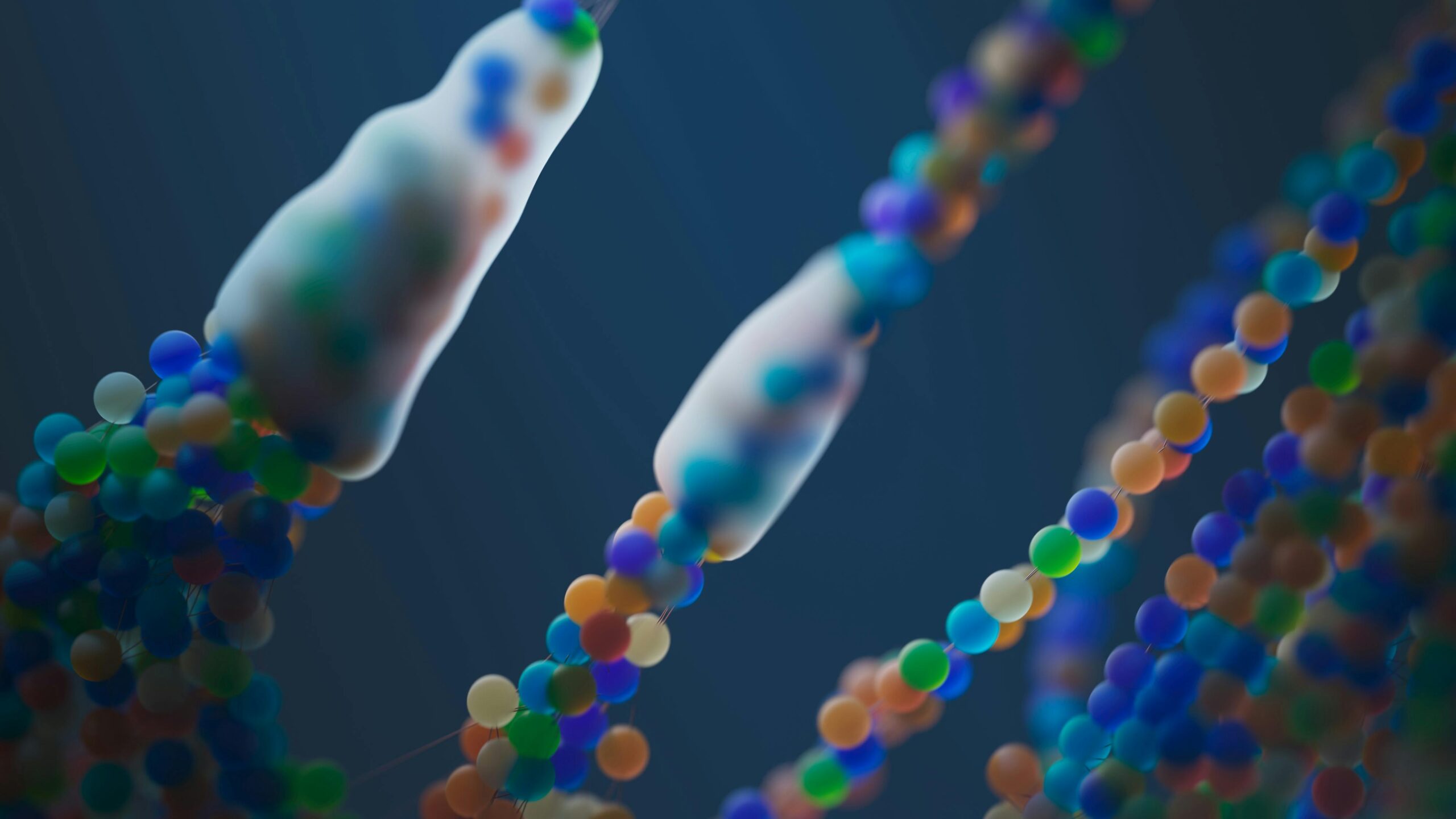
Within every cell of your body lies a powerhouse capable of determining your energy, longevity, and overall health. These microscopic structures, called mitochondria, are emerging as the next frontier in medical science and personalized wellness.

For decades, scientists have understood that mitochondria generate the energy our cells need to function. However, cutting-edge research now reveals these organelles play far more complex roles in aging, disease prevention, mental health, and athletic performance. As we unlock their secrets, we’re discovering revolutionary approaches to treating conditions once considered irreversible and optimizing human potential in unprecedented ways.
🔬 Understanding the Mitochondrial Foundation
Mitochondria are often described as the cellular batteries that power life itself. These double-membraned organelles convert nutrients from food into adenosine triphosphate (ATP), the chemical energy currency that fuels virtually every biological process. Each cell contains hundreds to thousands of mitochondria, with energy-intensive organs like the heart, brain, and muscles requiring the highest concentrations.
What makes mitochondria particularly fascinating is their evolutionary origin. Scientific evidence suggests they were once independent bacteria that formed a symbiotic relationship with primitive cells approximately 1.5 billion years ago. This ancient partnership gave rise to complex life forms, and mitochondria still retain their own DNA, separate from the nuclear genome found in the cell’s nucleus.
This unique genetic heritage makes mitochondria vulnerable to damage and dysfunction. Mitochondrial DNA lacks the protective histones found around nuclear DNA and sits closer to reactive oxygen species generated during energy production. This vulnerability contributes to the gradual decline in mitochondrial function associated with aging and various diseases.
The Expanding Universe of Mitochondrial Functions
Modern research has shattered the simplistic view of mitochondria as mere energy factories. Scientists now recognize these organelles as sophisticated signaling hubs that regulate numerous cellular processes beyond ATP production.
Metabolic Regulation and Cellular Communication
Mitochondria actively participate in metabolic pathways involving lipids, amino acids, and nucleotides. They orchestrate calcium signaling, which affects muscle contraction, neurotransmitter release, and gene expression. When mitochondrial calcium handling becomes impaired, it can trigger cellular dysfunction and contribute to neurodegenerative diseases like Alzheimer’s and Parkinson’s.
Recent discoveries have revealed that mitochondria communicate with the cell nucleus through retrograde signaling pathways. When mitochondria experience stress, they send molecular messages that alter gene expression, activating protective mechanisms or, in severe cases, initiating programmed cell death to prevent damaged cells from causing harm.
Immune System Coordination ⚡
Perhaps most surprising is the mitochondria’s role in immunity. These organelles serve as platforms for antiviral defense, detecting pathogens and triggering innate immune responses. Mitochondrial DNA released from damaged mitochondria can act as a danger signal, activating inflammatory pathways. This connection explains why mitochondrial dysfunction contributes to chronic inflammatory conditions and autoimmune disorders.
Cutting-Edge Research Transforming Medicine
The explosion of mitochondrial research over the past decade has opened unprecedented therapeutic possibilities. Scientists are developing interventions that target mitochondrial function at multiple levels, from genetic therapies to nutritional strategies.
Gene Therapy and Mitochondrial Replacement
One of the most groundbreaking developments involves mitochondrial replacement therapy, sometimes called three-parent IVF. This technique allows women carrying mitochondrial diseases to have healthy children by transferring nuclear DNA from their egg into a donor egg with healthy mitochondria. The United Kingdom became the first country to legalize this procedure, and several healthy children have been born through this method.
Researchers are also exploring gene editing technologies like CRISPR to correct mutations in mitochondrial DNA. While technically challenging due to the difficulty of delivering editing tools into mitochondria, recent advances have shown promise in preclinical models. Successful gene editing of mitochondrial DNA could potentially cure inherited mitochondrial diseases affecting thousands worldwide.
Mitochondrial Transfer Between Cells
Scientists have discovered that cells can transfer mitochondria to neighboring cells through tunneling nanotubes and extracellular vesicles. This natural rescue mechanism allows healthy cells to donate functional mitochondria to damaged cells. Researchers are now exploring therapeutic applications of this phenomenon, testing whether transferring healthy mitochondria could treat heart attacks, strokes, and other acute injuries where cellular energy failure plays a central role.
Mitochondria and the Aging Process 🧬
The mitochondrial theory of aging proposes that accumulated damage to mitochondria and their DNA drives the aging process. As mitochondrial function declines with age, cells produce less energy and generate more oxidative stress, creating a vicious cycle of cellular deterioration.
Cutting-edge longevity research focuses heavily on preserving and enhancing mitochondrial function. Studies in model organisms have shown that improving mitochondrial quality control mechanisms can extend lifespan and healthspan. Key processes include mitophagy (the selective degradation of damaged mitochondria), mitochondrial biogenesis (the creation of new mitochondria), and mitochondrial dynamics (the fusion and fission that maintain mitochondrial networks).
NAD+ and Cellular Energy Metabolism
Nicotinamide adenine dinucleotide (NAD+) serves as a critical cofactor in mitochondrial energy production. NAD+ levels decline significantly with age, compromising mitochondrial function. This discovery has spawned extensive research into NAD+ precursors like nicotinamide riboside (NR) and nicotinamide mononucleotide (NMN) as potential anti-aging interventions.
Clinical trials are currently investigating whether supplementing with NAD+ boosters can improve metabolic health, cognitive function, and physical performance in aging populations. Early results suggest these compounds may enhance mitochondrial function and activate sirtuins, proteins involved in cellular stress resistance and longevity pathways.
Neurological Health and Brain Power
The brain consumes approximately 20% of the body’s total energy despite representing only 2% of body weight. This enormous energy demand makes neurons particularly vulnerable to mitochondrial dysfunction. Emerging evidence links mitochondrial impairment to virtually every major neurological and psychiatric condition.
Neurodegenerative Diseases
Alzheimer’s disease, Parkinson’s disease, and amyotrophic lateral sclerosis (ALS) all feature prominent mitochondrial dysfunction. In Alzheimer’s, reduced brain glucose metabolism appears years before cognitive symptoms emerge. Researchers are investigating whether improving mitochondrial function through ketogenic diets, which provide alternative fuel sources for the brain, might slow disease progression.
In Parkinson’s disease, specific mutations affecting mitochondrial quality control have been identified as genetic risk factors. This knowledge has led to clinical trials testing compounds that enhance mitophagy and protect dopamine-producing neurons from mitochondrial damage.
Mental Health and Cognitive Performance 🧠
Exciting new research connects mitochondrial function to mood disorders, anxiety, and depression. Studies have found altered mitochondrial function in the brains of individuals with major depression and bipolar disorder. This metabolic dimension of mental health opens new therapeutic avenues beyond traditional neurotransmitter-focused treatments.
For cognitive enhancement, optimizing mitochondrial function shows promise for improving memory, focus, and mental clarity. Interventions that boost brain mitochondrial biogenesis may help maintain cognitive resilience during aging and protect against age-related cognitive decline.
Athletic Performance and Physical Optimization
Elite athletes have long understood the importance of cellular energy, even if they didn’t use the term “mitochondria.” Now, sports science is applying mitochondrial research to enhance training protocols and recovery strategies.
Exercise-Induced Mitochondrial Adaptations
Exercise represents one of the most powerful stimuli for mitochondrial biogenesis. Both endurance and high-intensity interval training trigger signaling pathways that increase mitochondrial content and improve their efficiency. The molecular mechanisms involve AMPK activation, PGC-1α upregulation, and numerous other factors that coordinate the cellular response to energy demand.
Understanding these pathways has refined training recommendations. Research suggests that specific exercise protocols optimally stimulate mitochondrial adaptations, potentially allowing athletes to achieve better results with more strategic training approaches rather than simply increasing volume.
Recovery and Mitochondrial Health
Recovery isn’t merely about rest—it’s about allowing mitochondria to repair, regenerate, and proliferate. Sleep quality significantly impacts mitochondrial function, with sleep deprivation impairing energy metabolism and increasing oxidative stress. Nutritional strategies, including antioxidant timing and macronutrient composition, can support mitochondrial recovery following intense training.
Nutritional Strategies for Mitochondrial Optimization 🥗
Food serves as more than fuel—specific nutrients directly influence mitochondrial structure and function. Emerging research in nutritional biochemistry reveals how dietary choices can enhance or impair these cellular powerhouses.
Micronutrients Essential for Mitochondrial Function
Several vitamins and minerals play indispensable roles in mitochondrial energy production. B vitamins serve as cofactors in metabolic pathways, while coenzyme Q10 functions in the electron transport chain where ATP synthesis occurs. Magnesium stabilizes ATP molecules, and iron is essential for hemoglobin oxygen transport and mitochondrial enzyme function.
Deficiencies in these micronutrients can significantly impair mitochondrial function, contributing to fatigue, weakness, and metabolic dysfunction. Emerging research suggests that even subclinical deficiencies may compromise optimal mitochondrial performance, highlighting the importance of adequate nutritional status.
Dietary Patterns and Mitochondrial Health
Beyond individual nutrients, overall dietary patterns influence mitochondrial function. The Mediterranean diet, rich in polyphenols from olive oil, vegetables, and fruits, appears to support mitochondrial health through antioxidant and anti-inflammatory mechanisms. Polyphenols like resveratrol and quercetin activate cellular pathways that promote mitochondrial biogenesis and improve function.
Intermittent fasting and time-restricted eating have emerged as powerful interventions for mitochondrial health. Periods of nutrient restriction activate cellular stress response pathways that enhance mitochondrial quality control, increase efficiency, and may extend lifespan. Clinical studies are investigating whether these eating patterns can improve metabolic health markers in humans.
Environmental Factors Affecting Mitochondrial Function
Our modern environment presents unprecedented challenges to mitochondrial health. Understanding environmental toxins and stressors that impair these organelles helps us make informed choices to protect cellular function.
Toxins and Mitochondrial Damage
Numerous environmental chemicals directly damage mitochondria. Heavy metals like lead and mercury disrupt mitochondrial membranes and interfere with energy production. Certain pesticides inhibit mitochondrial respiration, while air pollution particles can trigger mitochondrial oxidative stress and inflammation.
Even common medications can have mitochondrial side effects. Some antibiotics, statins, and chemotherapy drugs impair mitochondrial function, which may explain certain adverse effects these medications produce. This knowledge is prompting research into protective strategies that might allow patients to benefit from necessary treatments while minimizing mitochondrial damage.
Light Exposure and Circadian Rhythms ☀️
Mitochondrial function follows circadian rhythms, with energy production capacity varying throughout the day. Light exposure influences these rhythms, with natural sunlight supporting healthy mitochondrial function while excessive artificial light, particularly blue light at night, disrupts circadian coordination and may impair mitochondrial metabolism.
Emerging research suggests that optimizing light exposure patterns—getting bright light early in the day and minimizing blue light in the evening—may enhance mitochondrial function and improve metabolic health, sleep quality, and overall wellbeing.
The Future Landscape of Mitochondrial Medicine
We stand at the threshold of a new era in healthcare where mitochondrial function serves as a central therapeutic target. The next decade will likely witness remarkable advances in our ability to measure, monitor, and modulate mitochondrial health.
Personalized Mitochondrial Assessment
Technologies for assessing individual mitochondrial function are becoming more accessible. Advanced imaging techniques can visualize mitochondrial networks in living cells, while metabolic testing can measure mitochondrial respiratory capacity. In the future, routine mitochondrial health screening may become as common as cholesterol testing, allowing early detection of dysfunction before disease manifests.
Wearable devices are beginning to incorporate markers of metabolic health that indirectly reflect mitochondrial function. As these technologies advance, individuals may gain real-time feedback about how lifestyle choices affect their cellular energy systems, enabling precise optimization of diet, exercise, and recovery.
Targeted Mitochondrial Therapeutics 💊
Pharmaceutical companies are developing drugs specifically designed to enhance mitochondrial function. Mitochondria-targeted antioxidants deliver protective compounds directly to these organelles, potentially preventing oxidative damage more effectively than conventional antioxidants. Compounds that boost mitochondrial biogenesis or enhance quality control mechanisms are progressing through clinical trials for various conditions.
Perhaps most exciting are combination approaches that address multiple aspects of mitochondrial health simultaneously. Future treatments may integrate genetic interventions, pharmacological support, nutritional optimization, and lifestyle modifications into comprehensive protocols personalized to individual mitochondrial profiles.

Empowering Your Mitochondrial Health Today
While advanced therapies remain on the horizon, substantial evidence already supports practical steps anyone can take to optimize mitochondrial function. Regular physical activity, particularly combining endurance and high-intensity exercise, powerfully stimulates mitochondrial adaptations. Prioritizing sleep quality, managing stress, and avoiding environmental toxins protect these cellular powerhouses from damage.
Nutritional strategies including adequate micronutrient intake, consuming polyphenol-rich foods, and potentially exploring intermittent fasting approaches can support mitochondrial health. Exposure to natural light during the day while minimizing artificial light at night helps maintain circadian rhythms that coordinate mitochondrial function.
The emerging science of mitochondrial medicine isn’t just about treating disease—it’s about unlocking human potential. As research continues revealing the profound influence these organelles exert over virtually every aspect of health, we’re discovering that the power to transform our wellbeing may have resided within our cells all along. By understanding and nurturing our mitochondria, we’re not just extending lifespan but enhancing the quality of every moment we live. The future of health is cellular, and that future is powered by mitochondria.