Our bodies are under constant attack from environmental toxins, UV radiation, and metabolic byproducts that damage our DNA every single day. The remarkable news? Our cells possess sophisticated repair mechanisms that work tirelessly to maintain genetic integrity.

Understanding DNA repair pathways has become one of the most exciting frontiers in modern medicine, offering unprecedented insights into how we age, why diseases develop, and what we can do to optimize our cellular health. These molecular guardians determine not just our lifespan, but our healthspan—the quality of our years, not merely the quantity.
🧬 The Foundation: What DNA Repair Really Means
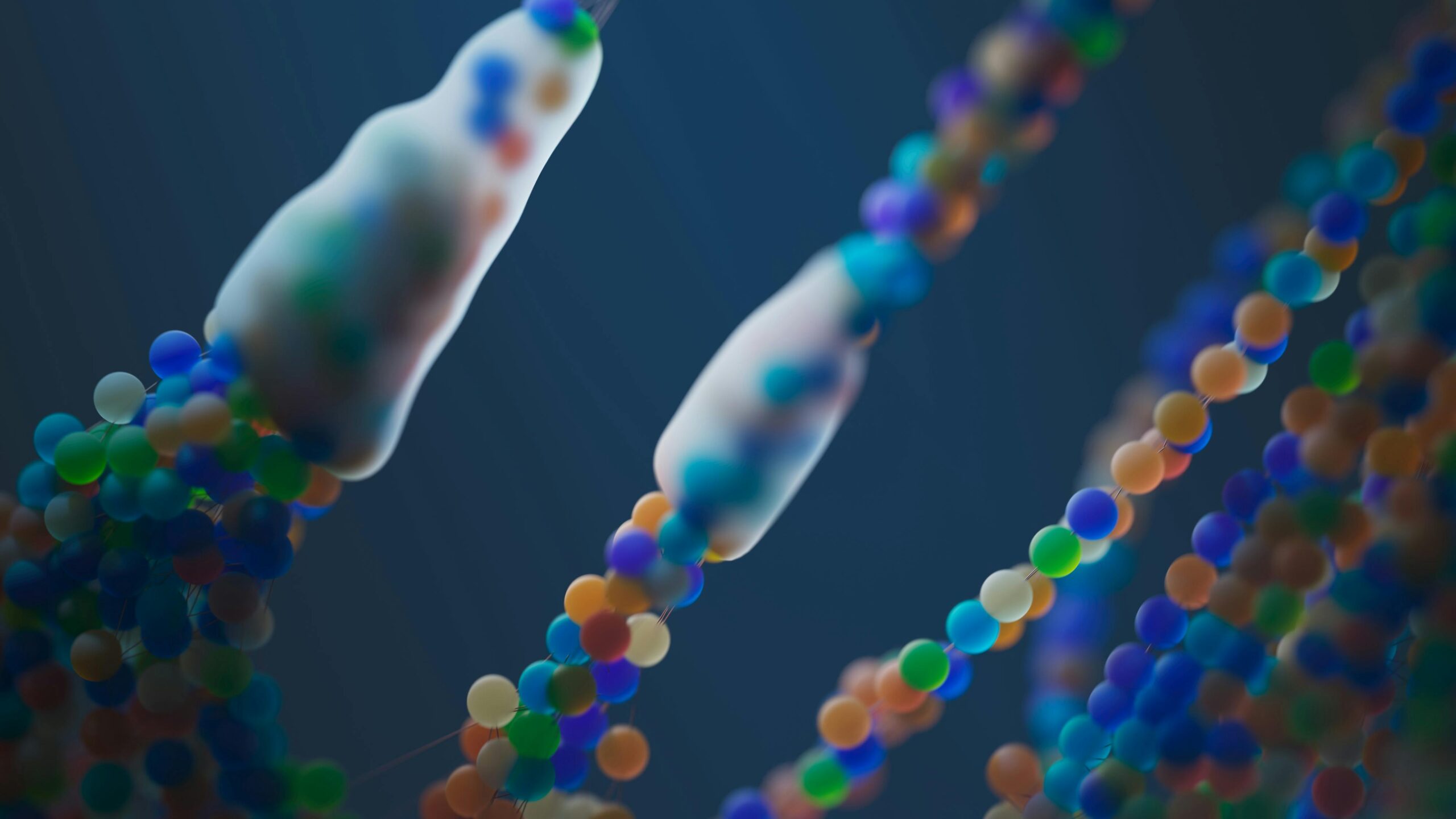
DNA repair encompasses a collection of molecular processes through which cells identify and correct damage to the DNA molecules that encode our genetic information. Every cell in your body experiences approximately 70,000 DNA lesions daily, ranging from minor base modifications to catastrophic double-strand breaks.
Without functional repair systems, these errors would accumulate exponentially, leading to cellular dysfunction, cancer, accelerated aging, and ultimately death. The efficiency of these repair pathways directly correlates with longevity across species—organisms with more robust DNA repair mechanisms consistently outlive their less-equipped counterparts.
Think of DNA repair as your body’s internal maintenance crew, constantly patrolling for damage and making corrections before small problems become catastrophic failures. This biological quality control operates 24/7, never resting, adapting to different types of damage with specialized tools and approaches.
The Major DNA Repair Pathways: Your Cellular Defense Arsenal
Scientists have identified several distinct repair pathways, each specialized for different types of DNA damage. Understanding these mechanisms provides insight into therapeutic interventions and lifestyle modifications that can enhance their function.
Base Excision Repair (BER): The Daily Maintenance System
Base excision repair handles the most common type of DNA damage: modifications to individual DNA bases caused by oxidation, alkylation, and spontaneous deamination. This pathway processes approximately 20,000 lesions per cell daily, making it arguably the most important repair mechanism for everyday cellular health.
BER operates through a sequential process involving damage recognition, base removal, backbone incision, gap filling, and ligation. The entire process resembles a surgical extraction and replacement, with specialized enzymes called glycosylases recognizing damaged bases and initiating the repair cascade.
Nucleotide Excision Repair (NER): The UV Damage Specialist ☀️
When you spend time in the sun, UV radiation creates bulky DNA lesions called thymine dimers that distort the double helix structure. Nucleotide excision repair evolved specifically to address these and other helix-distorting lesions.
NER operates through two sub-pathways: global genome NER, which surveys the entire genome for damage, and transcription-coupled NER, which prioritizes repair of actively transcribed genes. This dual approach ensures both comprehensive protection and efficient allocation of cellular resources.
Deficiencies in NER cause xeroderma pigmentosum, a condition characterized by extreme sun sensitivity and dramatically increased skin cancer risk. This devastating disease demonstrates the critical importance of functional DNA repair for human health.
Mismatch Repair (MMR): The Proofreading Powerhouse
DNA polymerase, the enzyme responsible for DNA replication, occasionally incorporates incorrect nucleotides during cell division. Mismatch repair provides a critical proofreading function, scanning newly synthesized DNA and correcting these replication errors before they become permanent mutations.
MMR deficiencies are strongly associated with Lynch syndrome and hereditary nonpolyposis colorectal cancer (HNPCC), underscoring the pathway’s tumor suppression role. The clinical significance has made MMR status a routine component of cancer diagnostics and treatment planning.
Homologous Recombination and Non-Homologous End Joining: The Emergency Response Team
Double-strand breaks represent the most dangerous type of DNA damage, threatening chromosomal stability and cell survival. Two major pathways address these catastrophic lesions: homologous recombination (HR) and non-homologous end joining (NHEJ).
HR uses an intact sister chromatid as a template for accurate repair, functioning primarily during S and G2 phases of the cell cycle when sister chromatids are available. NHEJ operates throughout the cell cycle, quickly joining broken ends but with greater error potential. The balance between these pathways influences both cancer susceptibility and therapeutic response.
💊 The Health Implications: From Cancer to Cognitive Decline
DNA repair pathway dysfunction underlies numerous diseases, making these mechanisms crucial therapeutic targets. The relationship between repair capacity and health outcomes has transformed our understanding of disease etiology and treatment strategies.
Cancer: When Repair Systems Fail
Cancer fundamentally represents a disease of accumulated DNA damage and failed repair. Germline mutations in repair genes create hereditary cancer syndromes, while somatic inactivation of repair pathways drives sporadic tumor development.
The discovery that BRCA1 and BRCA2 mutations impair homologous recombination revolutionized breast and ovarian cancer management. These insights enabled both improved risk stratification and targeted therapies like PARP inhibitors, which exploit repair deficiencies to selectively kill cancer cells.
Emerging research suggests that monitoring DNA repair capacity could enable personalized cancer screening and prevention strategies. Individuals with suboptimal repair function might benefit from enhanced surveillance or prophylactic interventions.
Aging: The Cumulative Cost of Imperfect Repair
Aging correlates strongly with declining DNA repair efficiency and accumulating genomic damage. Studies across species demonstrate that organisms with superior repair capacity live longer and maintain function better throughout their lifespan.
Centenarians consistently show more efficient DNA repair than age-matched controls, suggesting that repair capacity represents a biological determinant of exceptional longevity. This observation has sparked intense interest in interventions that might enhance repair function and extend healthspan.
Neurodegenerative Diseases: Brain-Specific Vulnerability
Neurons face unique DNA repair challenges due to their high metabolic rate, post-mitotic status, and exceptional longevity. Accumulating DNA damage in neurons contributes to Alzheimer’s disease, Parkinson’s disease, and amyotrophic lateral sclerosis (ALS).
Research indicates that enhancing DNA repair in neural tissue might slow or prevent neurodegenerative disease progression. This therapeutic angle represents one of the most promising frontiers in neurology and aging research.
🔬 Measuring and Monitoring: Assessing Your Repair Capacity
Emerging diagnostic technologies enable assessment of individual DNA repair capacity, potentially revolutionizing personalized medicine. These tools range from simple blood tests to sophisticated cellular assays.
The comet assay visualizes DNA damage and repair in individual cells, providing a functional readout of repair kinetics. More advanced approaches use next-generation sequencing to identify repair pathway mutations and predict disease risk.
Commercial tests now offer consumers insight into their genetic repair capacity, though interpretation requires careful consideration of limitations and context. Understanding your repair profile might inform lifestyle choices, screening schedules, and preventive interventions.
Enhancing DNA Repair: Evidence-Based Strategies for Optimization
While we cannot directly control our inherited repair capacity, emerging evidence suggests that lifestyle factors, nutritional interventions, and pharmacological approaches can modulate repair efficiency.
Nutritional Support: Feeding Your Repair Systems 🥗
DNA repair requires substantial cellular resources, including ATP, nucleotides, and enzymatic cofactors. Nutritional status directly influences repair capacity through multiple mechanisms.
- NAD+ precursors: Nicotinamide riboside and nicotinamide mononucleotide support PARP activity and base excision repair
- Folate and B vitamins: Essential for nucleotide synthesis and methyl donor production
- Antioxidants: Vitamin C, vitamin E, and polyphenols reduce oxidative DNA damage burden
- Zinc and magnesium: Critical cofactors for DNA polymerases and repair enzymes
- Omega-3 fatty acids: Support cellular membrane integrity and reduce inflammation-induced DNA damage
Dietary patterns rich in vegetables, fruits, whole grains, and fish consistently associate with better DNA repair capacity and reduced disease risk. The Mediterranean diet, in particular, shows strong evidence for supporting genomic stability.
Exercise: Physical Activity and Genetic Integrity 🏃
Regular exercise enhances DNA repair capacity through multiple mechanisms, including increased antioxidant enzyme expression, improved mitochondrial function, and enhanced cellular stress resistance.
Studies demonstrate that both aerobic and resistance training improve repair efficiency, with effects observable after just weeks of consistent activity. The optimal exercise prescription appears to involve moderate-intensity activity most days, avoiding excessive training that might overwhelm repair systems.
Sleep: The Critical Repair Window 😴
Sleep deprivation significantly impairs DNA repair, while adequate sleep enhances repair efficiency. During sleep, cells upregulate repair pathway components and allocate resources toward maintenance rather than active metabolism.
Chronic sleep restriction accumulates DNA damage over time, contributing to cancer risk, cognitive decline, and accelerated aging. Prioritizing 7-9 hours of quality sleep represents one of the most important interventions for supporting genomic integrity.
Stress Management: Protecting Against Cortisol-Induced Damage
Chronic psychological stress impairs DNA repair through cortisol-mediated suppression of repair gene expression. Stress reduction techniques including meditation, yoga, and mindfulness training show measurable improvements in repair capacity.
One fascinating study found that experienced meditators demonstrated more efficient DNA repair and longer telomeres compared to age-matched controls, suggesting that mind-body interventions might translate into tangible cellular benefits.
🧪 Emerging Therapies: The Future of DNA Repair Medicine
Pharmaceutical research increasingly targets DNA repair pathways for both disease treatment and health optimization. These approaches range from small molecule enhancers to gene therapy interventions.
PARP Inhibitors: From Cancer Treatment to Longevity Intervention
PARP inhibitors revolutionized cancer treatment by exploiting repair deficiencies in BRCA-mutant tumors. Interestingly, transient PARP inhibition in healthy cells might enhance stress resistance through hormetic mechanisms, potentially extending lifespan.
Animal studies show that strategic PARP modulation can improve healthspan without increasing cancer risk, though human translation requires careful investigation. This paradox—using repair inhibition to enhance health—illustrates the complexity of optimizing these systems.
NAD+ Boosting: Revitalizing Aging Repair Systems
NAD+ levels decline with age, impairing PARP and sirtuin function. Supplementation with NAD+ precursors like nicotinamide riboside shows promise for restoring youthful repair capacity in both animals and early human trials.
Clinical studies demonstrate that NAD+ boosting improves muscle function, metabolic health, and cognitive performance in older adults. The mechanism likely involves enhanced DNA repair alongside improvements in mitochondrial function and cellular energy metabolism.
Gene Therapy and Direct Repair Enhancement
Cutting-edge approaches use viral vectors or nanoparticles to deliver repair genes directly to cells, potentially correcting inherited deficiencies or boosting capacity in aging tissues. While still experimental, these techniques represent the ultimate precision medicine approach.
CRISPR-based strategies might eventually enable correction of repair gene mutations before birth or enhancement of repair capacity in adults. The ethical implications of such interventions require careful consideration alongside technical development.
The Longevity Connection: Repair Capacity and Extended Healthspan 🌟
Cross-species comparisons reveal that DNA repair efficiency strongly predicts maximum lifespan. Naked mole rats, which live over 30 years despite their small size, possess exceptionally robust repair mechanisms. Similarly, bats live far longer than size-predicted, partly due to superior DNA repair.
Human supercentenarians—those reaching 110 years and beyond—consistently demonstrate more efficient DNA repair than average. Their cells show remarkable resistance to damage accumulation, suggesting that repair optimization represents a viable longevity strategy.
The emerging field of geroscience focuses explicitly on targeting aging mechanisms including DNA repair decline. By maintaining youthful repair capacity, researchers hope to compress morbidity and extend the period of healthy, functional life.
Practical Implementation: Building Your Personal DNA Repair Protocol
Translating research into actionable strategies requires a systematic approach balancing evidence strength, personal circumstances, and practical feasibility.
Start with foundational lifestyle factors: prioritize sleep quality, establish regular exercise habits, adopt a nutrient-dense dietary pattern, and implement stress management practices. These interventions cost nothing, carry minimal risk, and provide broad health benefits beyond DNA repair support.
Consider targeted supplementation based on individual needs and testing. NAD+ precursors, comprehensive multivitamins, and omega-3 fatty acids represent reasonable evidence-based additions for most individuals concerned with longevity optimization.
Monitor biomarkers where possible. Advanced testing panels can assess oxidative stress, inflammation, and functional repair capacity, allowing data-driven refinement of interventions over time.
Stay informed about emerging therapies but maintain appropriate skepticism. The field evolves rapidly, with new discoveries constantly reshaping our understanding. Work with knowledgeable healthcare providers who appreciate both the promise and limitations of current evidence.
The Bigger Picture: DNA Repair in Societal Context
As populations age globally, maintaining genomic integrity becomes an increasingly important public health priority. Environmental policies reducing carcinogen exposure, workplace protections limiting DNA-damaging occupational hazards, and healthcare systems emphasizing prevention all contribute to population-level DNA protection.
Education about DNA repair and its health implications empowers individuals to make informed choices. Understanding that daily decisions influence genetic stability might motivate behavior changes that pharmaceutical interventions alone cannot achieve.
Research funding priorities should reflect the fundamental importance of DNA repair to virtually all age-related diseases. Investment in this area promises returns across multiple therapeutic domains, from cancer to neurodegeneration to metabolic disease.

Your Genetic Destiny Is Not Fixed: Taking Action Today
The blueprint of life encoded in our DNA is not static—it exists in constant dynamic interaction with repair systems that determine whether that blueprint remains readable or degrades over time. While we inherit baseline repair capacity from our parents, emerging evidence demonstrates remarkable plasticity in these systems.
Every choice you make—what you eat, how you move, how you sleep, how you manage stress—influences your cellular repair efficiency. The cumulative effect of thousands of small decisions compounds over years and decades, ultimately determining whether you age slowly and gracefully or rapidly and pathologically.
The power of DNA repair pathways lies not just in their biological sophistication but in their accessibility to modulation. Unlike many aspects of health determined by fixed genetics, repair capacity responds to intervention, offering genuine agency in determining your healthspan trajectory.
Begin today with simple, evidence-based steps. Prioritize sleep, move regularly, eat nutrient-dense foods, and manage stress effectively. These foundational practices optimize the repair systems working silently within every cell, unlocking your potential for sustained health and extended vitality.
The future of medicine increasingly recognizes that preventing damage and enhancing repair surpasses treating established disease. By understanding and supporting your DNA repair pathways, you participate in this paradigm shift, taking proactive control of your biological destiny and maximizing your potential for a long, healthy, vibrant life. 🧬✨