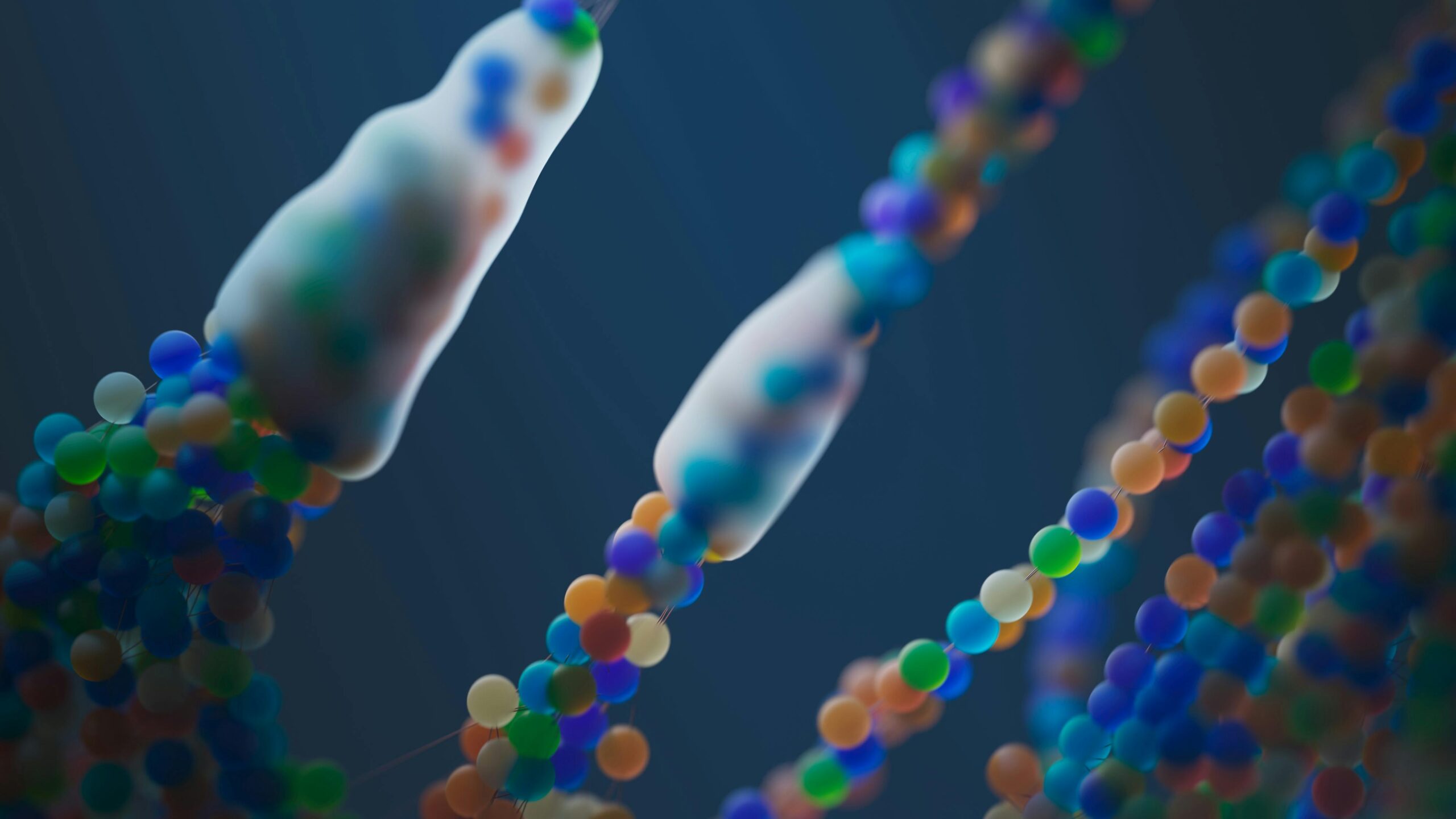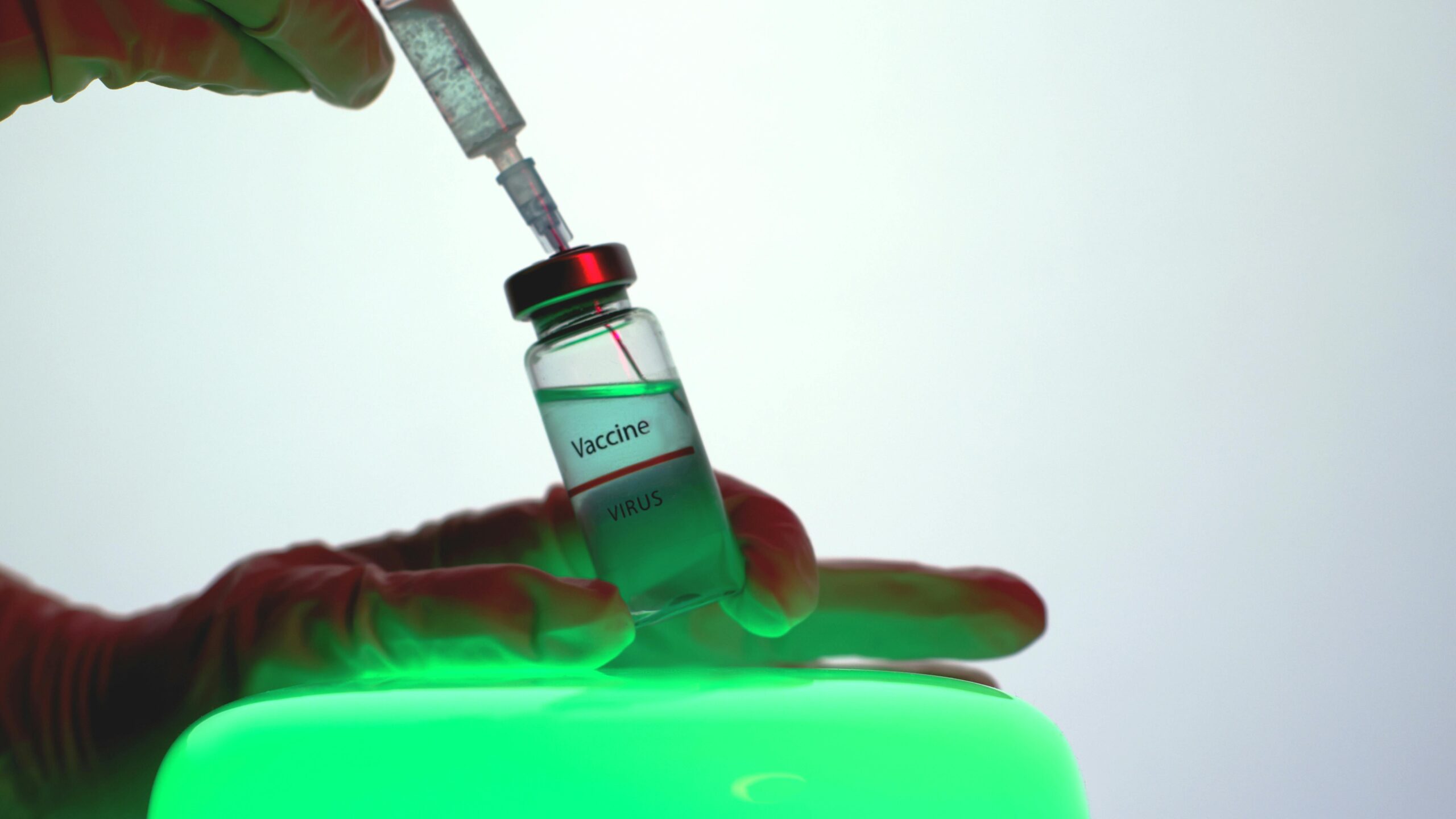
The quest for a longer, healthier life has captivated humanity for centuries, and modern science is finally providing concrete answers through longevity biomarkers.

These measurable biological indicators offer unprecedented insights into our aging process, enabling personalized interventions that can dramatically extend both lifespan and healthspan. By understanding and tracking these markers, we’re entering an era where aging is no longer an inevitable decline but a process we can actively manage and optimize.
🔬 Understanding Longevity Biomarkers: Your Body’s Health Dashboard
Longevity biomarkers are quantifiable measurements that indicate biological age rather than chronological age. Unlike the number of candles on your birthday cake, these markers reveal how well your cells, tissues, and organs are actually functioning. They provide a comprehensive picture of your health trajectory and predict your risk for age-related diseases.
The revolutionary aspect of biomarkers lies in their predictive power. Traditional medicine often waits for symptoms to appear before intervening, but biomarker analysis allows us to detect subtle changes years or even decades before disease manifests. This proactive approach transforms healthcare from reactive treatment to preventive optimization.
Recent advances in biotechnology have made testing these markers more accessible and affordable than ever before. What once required expensive laboratory equipment and specialized expertise can now be monitored through simple blood tests, wearable devices, and even smartphone applications that track various health metrics in real-time.
The Science Behind Biological Age Assessment
Your biological age reflects the true state of your body’s systems and can differ significantly from your chronological age. Someone who is 50 years old chronologically might have the biological age of a 40-year-old through healthy lifestyle choices, or conversely, the biological age of a 60-year-old due to poor habits and chronic stress.
This discrepancy is measured through various biomarkers that assess cellular health, inflammation levels, metabolic function, and genetic expression. The epigenetic clock, for instance, examines DNA methylation patterns to determine biological age with remarkable accuracy, often within a few years of actual physiological condition.
💉 Key Longevity Biomarkers You Should Monitor
Understanding which biomarkers to track is essential for developing an effective longevity strategy. While hundreds of potential markers exist, certain ones have proven particularly valuable for predicting healthspan and lifespan.
Inflammatory Markers: The Silent Agers
Chronic inflammation is increasingly recognized as a fundamental driver of aging and age-related diseases. C-reactive protein (CRP) and interleukin-6 (IL-6) are two critical inflammatory markers that indicate systemic inflammation levels. Elevated levels correlate strongly with increased risk of cardiovascular disease, diabetes, cancer, and neurodegenerative conditions.
Managing inflammation through diet, exercise, stress reduction, and targeted supplementation can significantly reduce these markers and slow the aging process. Studies show that individuals with consistently low inflammatory markers tend to live longer and maintain better cognitive and physical function into old age.
Metabolic Health Indicators
Your metabolic health profoundly influences how you age. Key markers include fasting glucose, hemoglobin A1c, insulin sensitivity, and triglyceride levels. These measurements reveal how efficiently your body processes energy and whether you’re at risk for metabolic syndrome, diabetes, and related complications.
The triglyceride-to-HDL ratio has emerged as a particularly powerful predictor of cardiovascular health and overall longevity. A ratio below 2:1 is considered ideal, while higher ratios indicate insulin resistance and increased inflammation, both accelerators of biological aging.
Cardiovascular Biomarkers
Heart health remains one of the most critical factors in longevity. Beyond standard cholesterol panels, advanced cardiovascular biomarkers provide deeper insights into arterial health and heart function. These include apolipoprotein B (ApoB), lipoprotein(a), homocysteine, and coronary artery calcium scores.
Blood pressure variability and resting heart rate are also valuable markers that can be monitored continuously with modern wearable technology. Lower resting heart rates (typically between 60-80 beats per minute for adults) and stable blood pressure patterns correlate with better cardiovascular health and extended lifespan.
🧬 The Genetic and Epigenetic Revolution
The intersection of genetics and longevity research has revealed that our genes are not our destiny. While genetic predispositions play a role, epigenetic factors—how our genes are expressed based on lifestyle and environment—may be even more important for determining lifespan and healthspan.
Telomere Length: The Cellular Clock
Telomeres are protective caps at the ends of chromosomes that shorten with each cell division. When telomeres become critically short, cells can no longer divide properly, leading to cellular senescence and aging. Telomere length serves as a biomarker for cellular age and has been linked to longevity across numerous studies.
Interestingly, lifestyle interventions can influence telomere length. Regular exercise, stress management through meditation, adequate sleep, and a nutrient-rich diet have all been shown to maintain or even lengthen telomeres. Conversely, chronic stress, poor diet, and sedentary behavior accelerate telomere shortening.
DNA Methylation and Epigenetic Clocks
DNA methylation patterns change predictably with age, allowing scientists to create “epigenetic clocks” that estimate biological age with remarkable precision. The Horvath clock and GrimAge are among the most validated of these tools, incorporating multiple methylation sites to predict not just biological age but also mortality risk and disease susceptibility.
What makes epigenetic clocks particularly exciting is their potential to measure the effectiveness of anti-aging interventions. If a lifestyle change or therapeutic intervention truly slows aging, epigenetic clocks should reflect this by showing a slower rate of biological aging or even age reversal.
🏃♀️ Lifestyle Interventions That Transform Your Biomarkers
Knowledge of biomarkers is only valuable when paired with actionable interventions. Fortunately, numerous evidence-based strategies can optimize your longevity markers and extend both lifespan and healthspan.
Nutritional Strategies for Biomarker Optimization
Diet exerts profound effects on nearly all longevity biomarkers. Mediterranean and plant-forward dietary patterns consistently demonstrate benefits across inflammatory markers, metabolic health indicators, and cardiovascular biomarkers. These diets emphasize whole foods, healthy fats, abundant vegetables, moderate protein, and minimal processed foods.
Intermittent fasting and time-restricted eating have emerged as powerful tools for metabolic optimization. By limiting the eating window to 8-12 hours daily, individuals often see improvements in insulin sensitivity, inflammatory markers, and cellular repair processes through autophagy activation.
Specific nutrients also target particular biomarkers. Omega-3 fatty acids reduce inflammatory markers and support cardiovascular health. Antioxidants from colorful fruits and vegetables combat oxidative stress. Adequate protein intake, particularly from diverse sources, supports muscle mass maintenance, which strongly correlates with longevity.
Exercise: The Multifaceted Longevity Intervention
Physical activity may be the single most powerful longevity intervention available. Regular exercise improves virtually every biomarker associated with aging, from inflammatory markers to metabolic health to cardiovascular function. The benefits extend to mental health, cognitive function, and even genetic expression.
The optimal exercise prescription combines aerobic training, strength training, and flexibility work. Moderate-intensity cardiovascular exercise for 150-300 minutes weekly reduces inflammatory markers and improves metabolic health. Resistance training at least twice weekly maintains muscle mass and bone density, both critical for healthy aging.
High-intensity interval training (HIIT) has shown particular promise for mitochondrial health and cellular regeneration. Studies demonstrate that HIIT can reverse some age-related decline in mitochondrial function, essentially rejuvenating cellular energy production at the molecular level.
📊 Tracking and Optimizing Your Personal Biomarkers
The democratization of health technology has made biomarker tracking more accessible than ever. From laboratory blood tests to wearable devices and smartphone apps, individuals now have unprecedented ability to monitor and optimize their health metrics.
Laboratory Testing: Your Comprehensive Health Baseline
Comprehensive blood work remains the gold standard for assessing many longevity biomarkers. Annual or semi-annual testing allows you to establish baseline values and track changes over time. Essential panels include complete metabolic panel, lipid panel with advanced markers, inflammatory markers, hormone levels, and nutrient status.
Working with a healthcare provider who understands longevity medicine ensures proper interpretation of results within the context of optimal health rather than merely absence of disease. Many functional medicine practitioners specialize in this approach, targeting optimal ranges rather than just “normal” values.
Wearable Technology and Continuous Monitoring
Wearable devices provide continuous data on markers like heart rate, heart rate variability, sleep quality, activity levels, and even blood oxygen saturation. This real-time feedback enables immediate course correction and helps identify patterns that laboratory tests might miss.
Heart rate variability (HRV) has emerged as a particularly valuable marker for overall health and resilience. Higher HRV indicates better autonomic nervous system function and correlates with longevity. Many wearables now track HRV, allowing users to assess their recovery status and stress levels daily.
Digital Health Applications for Longevity Tracking
Specialized applications help users aggregate health data from multiple sources, identify trends, and receive personalized recommendations. These platforms often incorporate artificial intelligence to analyze patterns and suggest interventions tailored to individual biomarker profiles.
🌟 The Future of Longevity Medicine
The field of longevity science is advancing rapidly, with new biomarkers, testing methods, and interventions emerging regularly. Understanding current trends helps position individuals to benefit from future breakthroughs.
Senolytic Therapies and Cellular Rejuvenation
Senescent cells—cells that have stopped dividing but refuse to die—accumulate with age and contribute to inflammation and tissue dysfunction. Senolytic therapies aim to selectively eliminate these zombie cells, potentially reversing aspects of aging. Early clinical trials show promising results for improving biomarkers and physical function.
Complementary approaches focus on enhancing cellular regeneration through stem cell therapies, NAD+ supplementation, and mitochondrial support. These interventions target fundamental aging processes at the cellular level, with potential to dramatically extend healthspan.
Personalized Medicine and AI Integration
The convergence of biomarker data, genetic information, and artificial intelligence is creating unprecedented opportunities for personalized longevity protocols. Machine learning algorithms can identify subtle patterns in complex datasets, predicting disease risk and optimal interventions with increasing accuracy.
This personalization extends beyond general recommendations to truly individualized protocols based on unique biomarker profiles, genetic variants, lifestyle factors, and environmental exposures. What works optimally for one person may differ substantially from another’s ideal protocol.
💪 Taking Action: Your Personalized Longevity Strategy
Understanding longevity biomarkers is only valuable when translated into consistent action. Building a sustainable longevity practice requires both immediate steps and long-term commitment to health optimization.
Starting Your Biomarker Journey
Begin by establishing baseline measurements through comprehensive laboratory testing. Even basic blood work provides valuable insights into metabolic health, inflammation, and cardiovascular function. Consider working with a healthcare provider experienced in longevity medicine to interpret results and develop an action plan.
Implement foundational lifestyle practices that benefit multiple biomarkers simultaneously. Prioritize sleep quality, manage stress through mindfulness or meditation, maintain consistent exercise routines, and adopt an anti-inflammatory diet rich in whole foods. These interventions require no special equipment and deliver measurable improvements across numerous markers.
Building Your Longevity Toolkit
Create systems that make healthy choices effortless. Meal planning and preparation remove decision fatigue around nutrition. Scheduling exercise as non-negotiable appointments increases adherence. Tracking tools and apps provide accountability and motivation through visible progress.
Consider investing in technologies that support continuous monitoring. A quality fitness tracker or smartwatch provides daily feedback on activity, sleep, and recovery. This real-time data helps you understand how daily choices immediately affect your biomarkers and overall health trajectory.
The Long Game: Consistency Over Perfection
Longevity optimization is a marathon, not a sprint. Sustainable improvements come from consistent moderate efforts rather than extreme measures that cannot be maintained. Focus on incremental progress and celebrate small wins as biomarkers gradually improve.
Regular reassessment allows you to track progress and adjust strategies. Retest key biomarkers every 3-6 months initially, then annually once you’ve achieved optimal ranges. This feedback loop reinforces positive behaviors and identifies areas requiring additional attention.

🎯 Transforming Knowledge Into Extended Healthspan
The science of longevity biomarkers has evolved from theoretical research to practical application. We now possess the knowledge and tools to significantly influence how we age, potentially adding decades of vibrant, healthy life. The key lies in translating this knowledge into consistent daily practices that optimize our biological systems.
The most empowering aspect of longevity biomarkers is that they place agency directly in our hands. Unlike many health factors determined by genetics or chance, biomarkers respond predictably to lifestyle modifications. This means that regardless of your current age or health status, implementing evidence-based interventions will produce measurable improvements in your aging trajectory.
By monitoring key biomarkers, making informed lifestyle choices, and leveraging emerging technologies, you can take control of your healthspan and potentially unlock additional years of vitality, mental clarity, and physical capability. The future of aging is not about adding years to life, but adding life to years—and that future is available to anyone willing to make their longevity a priority starting today.
The convergence of biotechnology, personalized medicine, and accessible health monitoring has created an unprecedented opportunity. For the first time in human history, we can measure, track, and optimize the fundamental processes that determine how quickly we age. This isn’t science fiction or futuristic speculation—it’s available now, and the interventions required are largely within reach of anyone committed to their long-term health and vitality.