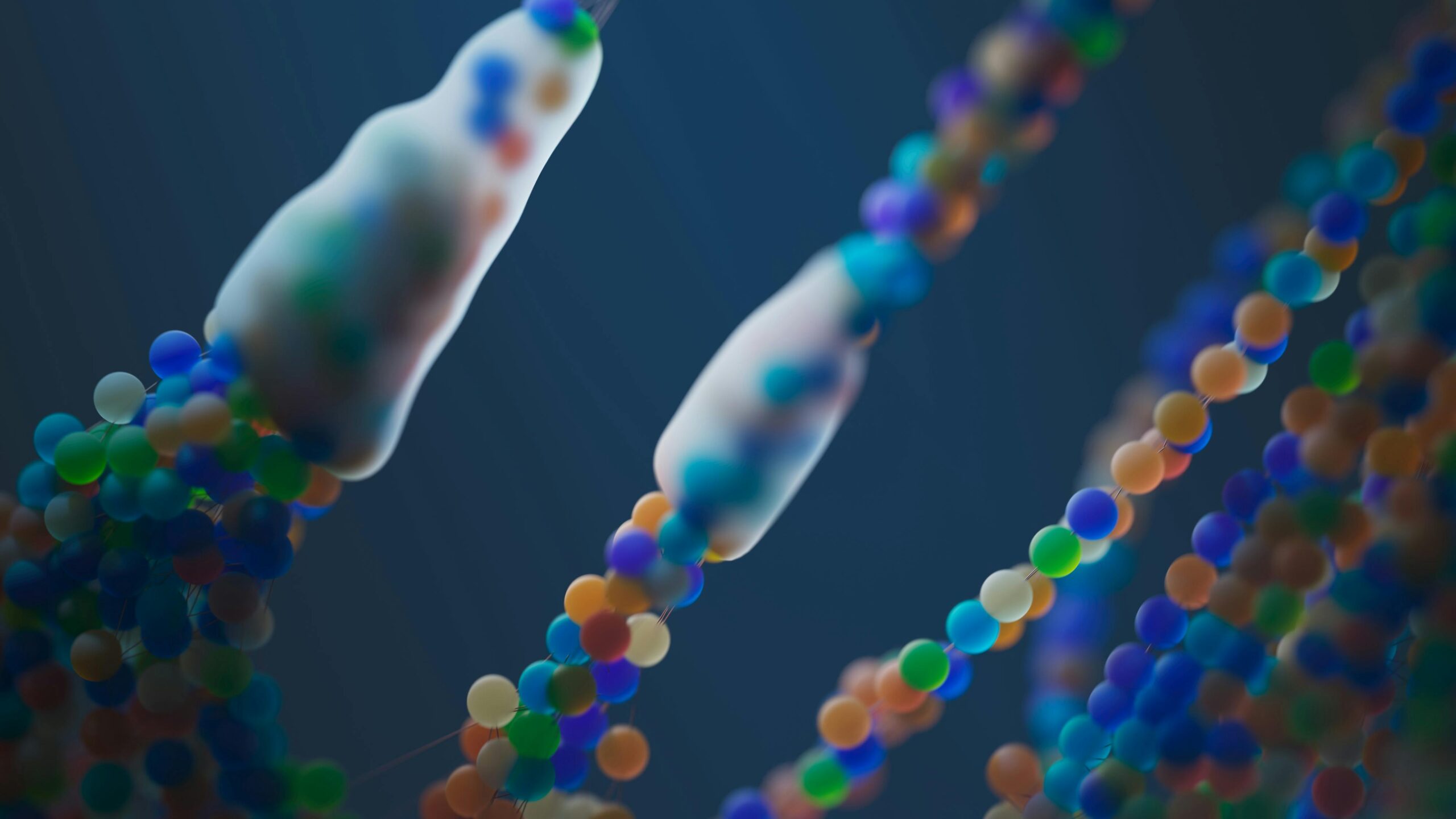
The pursuit of understanding biological aging has entered a transformative era. Revolutionary technologies now enable us to measure not just chronological age, but our biological age—revealing how our bodies truly function at the cellular level.

Scientists and researchers worldwide are developing sophisticated aging clock technologies that analyze thousands of biomarkers, from DNA methylation patterns to protein expression levels. These innovations promise to revolutionize healthcare by enabling personalized interventions that could extend healthspan and optimize wellness throughout our lives.
🧬 The Science Behind Biological Aging Clocks
Biological aging clocks represent a paradigm shift in how we understand human health. Unlike traditional medical approaches that treat symptoms, these technologies measure the fundamental processes of cellular aging. The concept emerged from groundbreaking epigenetic research showing that chemical modifications to our DNA change predictably over time.
Dr. Steve Horvath pioneered the first comprehensive epigenetic clock in 2013, analyzing DNA methylation patterns across multiple tissue types. His work demonstrated that specific methylation sites could predict chronological age with remarkable accuracy. More importantly, deviations from expected patterns revealed accelerated or decelerated biological aging.
Modern aging clocks extend far beyond methylation analysis. Multi-omic approaches now integrate genomics, proteomics, metabolomics, and even artificial intelligence to create comprehensive aging assessments. These technologies examine cellular senescence markers, telomere length, inflammatory proteins, metabolic indicators, and mitochondrial function simultaneously.
Key Biomarkers Measured by Aging Technologies
Contemporary aging clocks analyze diverse biological signals that collectively paint a detailed picture of physiological age:
- DNA Methylation Patterns: Chemical tags on DNA that regulate gene expression and change systematically with age
- Telomere Length: Protective caps on chromosomes that shorten with cellular division
- Glycan Structures: Sugar molecules attached to proteins that reflect immune system aging
- Metabolic Markers: Blood glucose, lipid profiles, and amino acid ratios indicating metabolic health
- Inflammatory Cytokines: Signaling proteins revealing chronic inflammation levels
- Proteomic Signatures: Specific protein expressions associated with aging tissues
- Microbiome Composition: Gut bacteria populations that shift with advancing age
⚡ Revolutionary Technologies Reshaping Aging Assessment
The landscape of aging measurement has evolved dramatically over recent years. Multiple companies and research institutions have developed proprietary clocks, each offering unique insights into biological aging processes.
Epigenetic Clocks: The Gold Standard
Epigenetic clocks remain the most validated aging measurement tools available. The Horvath clock examines 353 DNA methylation sites across the genome, while the GrimAge clock specifically predicts mortality risk and healthspan by analyzing methylation patterns associated with plasma proteins and smoking exposure.
PhenoAge represents another advancement, incorporating both methylation data and clinical chemistry values to predict phenotypic age. This clock shows superior correlation with age-related diseases and mortality compared to earlier versions. The DunedinPACE algorithm measures the pace of biological aging, revealing how quickly someone is aging rather than their current biological age.
Proteomic Aging Clocks
Protein-based aging clocks analyze blood plasma proteins to assess biological age. Research from Stanford University identified specific protein waves that occur at approximately ages 34, 60, and 78, corresponding to dramatic shifts in biological function. These proteomic signatures provide actionable insights for personalized interventions.
Companies like SomaLogic have developed platforms measuring thousands of proteins simultaneously, enabling comprehensive aging assessments from simple blood draws. This approach offers practical advantages over tissue biopsy requirements of some methylation-based tests.
Artificial Intelligence-Powered Aging Models
Machine learning algorithms now analyze complex datasets to predict biological age with unprecedented accuracy. Deep neural networks trained on millions of data points can identify aging patterns invisible to traditional statistical methods. AI-powered facial analysis tools even estimate biological age from photographs by detecting subtle skin changes, facial structure modifications, and other age-related features.
Insilico Medicine developed sophisticated AI platforms that integrate multiple data types—blood markers, physical assessments, questionnaires, and medical imaging—to generate comprehensive aging profiles. These systems continuously improve as they process more data, becoming increasingly precise over time.
🏥 Transforming Healthcare Through Personalized Medicine
Aging clock technologies fundamentally transform healthcare delivery by enabling truly personalized medicine. Rather than applying population-level guidelines to individuals, clinicians can now tailor interventions based on each person’s unique biological aging profile.
Early Disease Detection and Prevention
Accelerated biological aging in specific organ systems often precedes clinical disease manifestation by years or decades. Aging clocks detecting abnormal patterns in cardiovascular, neurological, or metabolic markers enable preventive interventions before irreversible damage occurs.
For instance, individuals showing accelerated immune system aging might benefit from targeted nutritional supplementation, stress reduction protocols, or immunomodulatory therapies. Those with elevated inflammatory aging markers could implement anti-inflammatory dietary strategies or exercise regimens specifically designed to reduce chronic inflammation.
Treatment Response Monitoring
Aging clocks provide objective measures for evaluating intervention effectiveness. Whether testing pharmaceutical compounds, lifestyle modifications, or regenerative therapies, biological age measurements reveal whether treatments genuinely slow aging or merely address symptoms.
Clinical trials increasingly incorporate aging biomarkers as endpoints, accelerating drug development by providing measurable outcomes within reasonable timeframes. This approach promises to expedite therapies that might otherwise require decades of follow-up to demonstrate longevity benefits.
💪 Lifestyle Interventions Validated by Aging Science
Biological aging clocks have scientifically validated numerous lifestyle interventions previously supported only by observational evidence. These technologies quantify exactly how various behaviors influence aging rates, empowering individuals to make informed wellness decisions.
Dietary Strategies That Slow Biological Aging
Caloric restriction, intermittent fasting, and time-restricted eating show measurable effects on biological age markers. Studies using epigenetic clocks demonstrate that sustained caloric reduction without malnutrition can decrease biological age by several years compared to chronological age.
Specific dietary patterns also influence aging trajectories. Mediterranean diets rich in polyphenols, omega-3 fatty acids, and fiber consistently associate with younger biological ages. Conversely, ultra-processed foods, excessive sugar intake, and certain food additives correlate with accelerated aging across multiple biomarker systems.
Exercise: The Most Powerful Anti-Aging Intervention
Physical activity profoundly impacts biological aging across nearly every measurable parameter. Regular aerobic exercise maintains telomere length, reduces inflammatory markers, improves metabolic health, and preserves mitochondrial function. Resistance training specifically counteracts sarcopenia and maintains metabolic rate.
Remarkably, aging clock studies show that individuals maintaining consistent exercise routines throughout life can have biological ages 10-15 years younger than sedentary peers of identical chronological age. The intensity, duration, and type of exercise all matter, with combined aerobic and resistance training providing optimal benefits.
Sleep, Stress, and Psychosocial Factors
Chronic sleep deprivation accelerates biological aging through multiple pathways, including increased inflammation, impaired cellular repair, and metabolic dysfunction. Aging clocks detect measurable differences between individuals averaging seven to eight hours of quality sleep versus those chronically sleep-deprived.
Psychological stress similarly accelerates aging. Studies examining caregivers of chronically ill family members reveal significantly advanced biological ages compared to matched controls. Conversely, stress management techniques, meditation practices, and strong social connections associate with slower aging trajectories.
🔬 Commercial Aging Tests: Accessibility and Applications
The commercialization of aging clock technologies has democratized access to biological age assessments. Several companies now offer direct-to-consumer testing, though quality, scientific validation, and actionable guidance vary considerably.
Available Testing Platforms
Multiple companies provide aging assessments with different methodologies, costs, and comprehensiveness:
| Company | Technology | Sample Type | Key Features |
|---|---|---|---|
| Elysium Health | DNA Methylation | Saliva | Research-backed, tracks changes over time |
| TruDiagnostic | Multiple Epigenetic Clocks | Blood | Most comprehensive methylation analysis |
| InsideTracker | Blood Biomarkers + AI | Blood | Personalized recommendations, integrates activity data |
| GlycanAge | Glycan Analysis | Blood | Immune system aging focus |
| Ixcela | Metabolite Analysis | Blood | Gut-health aging connection |
Interpreting Results and Taking Action
Understanding aging clock results requires context and realistic expectations. Biological age represents a snapshot influenced by recent lifestyle factors, current health status, and genetic predispositions. Single measurements provide limited insight; tracking changes over time reveals whether interventions effectively slow aging.
Reputable testing companies provide actionable recommendations based on results. These typically include specific dietary adjustments, exercise protocols, supplementation suggestions, and lifestyle modifications targeting individual aging patterns. Working with healthcare providers familiar with aging science ensures safe, effective implementation of recommended changes.
🚀 Future Horizons: What’s Next for Aging Technologies
The field of biological aging assessment continues evolving rapidly. Emerging technologies promise even more accurate, accessible, and actionable aging measurements in coming years.
Real-Time Continuous Monitoring
Future wearable devices may provide continuous biological aging assessment through non-invasive sensors analyzing sweat, interstitial fluid, or optical signals. Such technologies would reveal how daily activities, meals, exercise sessions, and stressors immediately influence aging biomarkers, enabling real-time optimization.
Single-Cell Aging Analysis
Advanced technologies capable of measuring aging heterogeneity within individual cells and tissues will revolutionize our understanding of aging processes. Single-cell sequencing combined with epigenetic profiling reveals that aging occurs unevenly across cell populations, with implications for targeted rejuvenation therapies.
Longevity Therapeutics Development
Aging clocks accelerate development of genuine anti-aging pharmaceuticals. Senolytics that eliminate senescent cells, NAD+ boosters supporting mitochondrial function, and rapamycin analogs modulating cellular metabolism are among candidates being rigorously tested using biological age endpoints.
Clinical trials incorporating aging biomarkers as primary outcomes will identify effective interventions much faster than traditional mortality-based studies. This approach promises an unprecedented acceleration in longevity medicine development.
⚖️ Ethical Considerations and Societal Implications
As aging clock technologies become mainstream, important ethical questions emerge. Access equity remains paramount—will these technologies deepen health disparities or democratize longevity science? Insurance companies and employers might seek biological age data, raising privacy concerns and potential discrimination issues.
The psychological impact of knowing one’s biological age relative to chronological age also deserves consideration. While empowering for some, such information might cause anxiety or fatalism in others. Responsible implementation requires thoughtful communication, appropriate counseling, and emphasis on modifiable factors rather than deterministic predictions.
🌟 Empowering the Longevity Revolution
Aging clock technologies represent humanity’s emerging ability to measure, understand, and potentially control biological aging. These tools transform abstract concepts about healthy living into quantifiable, trackable metrics that motivate sustained behavior change.
The convergence of epigenetics, proteomics, artificial intelligence, and systems biology creates unprecedented opportunities for extending healthspan—the years of life lived in good health. Rather than merely increasing lifespan, the goal is compressing morbidity into the shortest possible period at life’s end.
Individuals now possess unprecedented agency over their aging trajectories. By measuring biological age, implementing evidence-based interventions, and tracking changes over time, people can actively participate in their longevity optimization. This represents a fundamental shift from passive aging to active healthspan management.

🎯 Taking Control of Your Biological Age
Understanding biological aging empowers proactive health optimization. Whether through commercial testing, physician-ordered assessments, or simply implementing validated longevity practices, everyone can influence their aging trajectory.
The most powerful interventions remain accessible to nearly everyone: regular physical activity, whole-food nutrition, adequate sleep, stress management, and meaningful social connections. These foundational practices consistently correlate with younger biological ages across all measurement platforms.
For those seeking deeper insights, biological age testing provides personalized data revealing specific areas requiring attention. Tracking biological age over time transforms abstract health goals into concrete, measurable outcomes, sustaining motivation for long-term lifestyle optimization.
The future of healthcare increasingly centers on prevention, personalization, and longevity. Aging clock technologies serve as navigation tools guiding us toward extended healthspans, enabling more people to live longer lives characterized by vitality, function, and wellness. The revolution in aging science has begun, and its potential to transform human health remains vast and largely untapped.