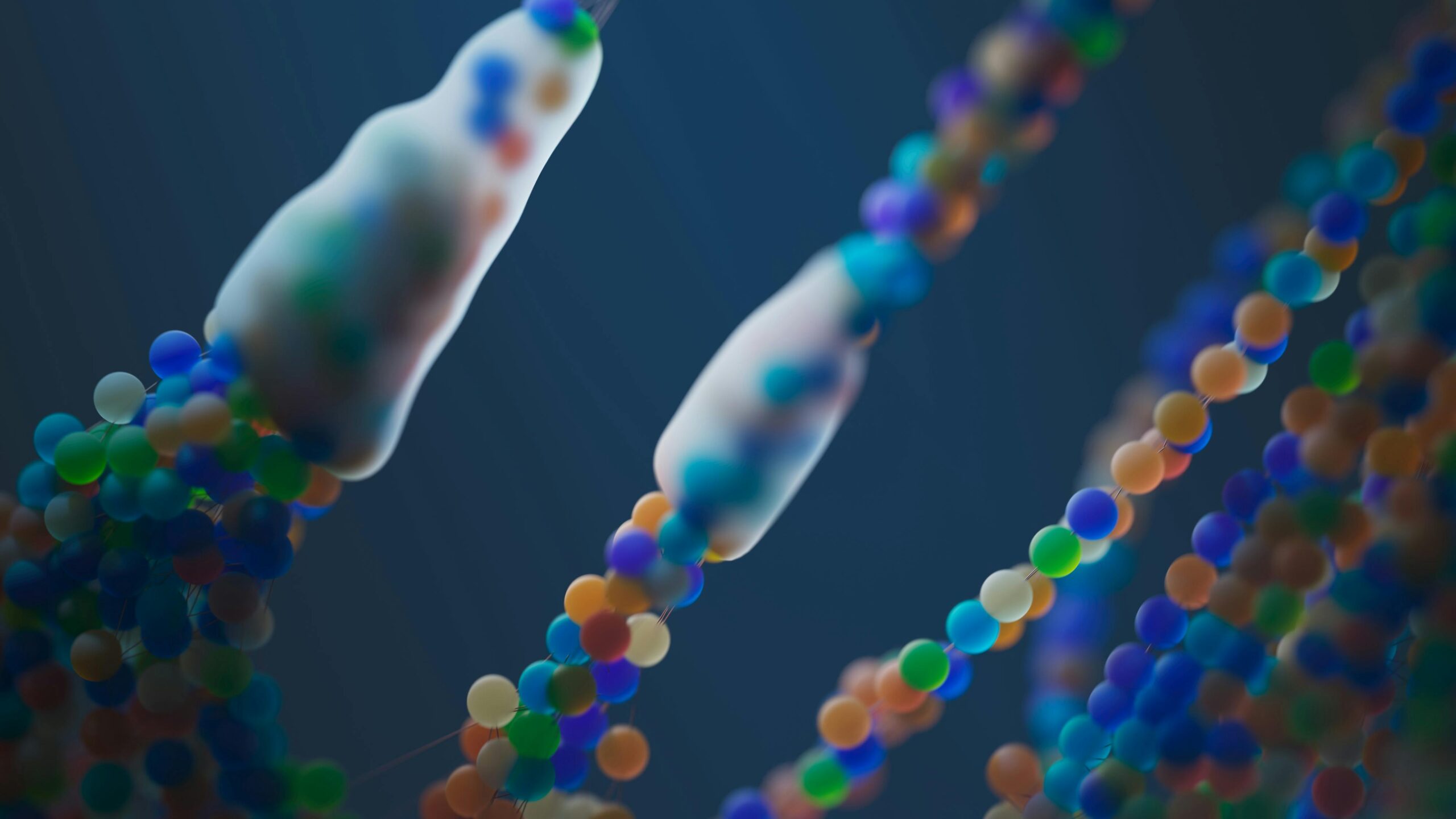
The quest for eternal youth has captivated humanity for millennia, driving explorers, alchemists, and scientists to unlock the secrets of aging. Today, groundbreaking advances in lifespan extension research are transforming this ancient dream into tangible scientific possibilities.

Modern science has made remarkable strides in understanding the biological mechanisms that govern aging, opening unprecedented opportunities to extend human healthspan and potentially lifespan itself. From cellular rejuvenation techniques to pharmaceutical interventions, researchers worldwide are dismantling age-old barriers that once seemed insurmountable. The convergence of biotechnology, artificial intelligence, and genomic medicine is creating a perfect storm of innovation that could revolutionize how we approach human longevity.
🔬 The Cellular Foundation of Aging: Understanding Our Biological Clock
At the heart of aging research lies the fundamental question: why do our bodies deteriorate over time? Scientists have identified several hallmarks of aging that provide crucial insights into this universal biological process. These hallmarks include genomic instability, telomere attrition, epigenetic alterations, loss of proteostasis, deregulated nutrient sensing, mitochondrial dysfunction, cellular senescence, stem cell exhaustion, and altered intercellular communication.
Telomeres, the protective caps on our chromosomes, have emerged as particularly fascinating targets for intervention. Each time our cells divide, these telomeres shorten slightly, eventually triggering cellular senescence or death. This natural countdown mechanism has been compared to a biological clock ticking away our cellular lifespan. Researchers at institutions like Stanford University and Harvard Medical School have made significant progress in understanding how telomere length correlates with biological age and overall health outcomes.
The discovery of telomerase, an enzyme capable of rebuilding telomeres, earned Elizabeth Blackburn, Carol Greider, and Jack Szostak the Nobel Prize in Physiology or Medicine in 2009. This breakthrough has spawned numerous research initiatives exploring whether activating telomerase in human cells could slow or reverse aspects of aging without triggering uncontrolled cell growth.
Senescent Cells: The Zombies Within
Cellular senescence represents another critical frontier in longevity research. These “zombie cells” stop dividing but refuse to die, accumulating in tissues and secreting inflammatory molecules that damage surrounding healthy cells. This phenomenon, known as the senescence-associated secretory phenotype (SASP), contributes to numerous age-related diseases including arthritis, cardiovascular disease, and neurodegeneration.
Senolytics, a revolutionary class of drugs designed to selectively eliminate senescent cells, have shown remarkable promise in animal studies. Compounds like dasatinib and quercetin have demonstrated the ability to improve physical function, extend lifespan, and reduce frailty in aged mice. Human clinical trials are now underway, with early results suggesting potential benefits for conditions ranging from osteoarthritis to pulmonary fibrosis.
💊 Pharmaceutical Breakthroughs: Drugs That Could Turn Back Time
The pharmaceutical approach to lifespan extension has produced several exciting candidates that show promise in extending healthy years. Metformin, a common diabetes medication used by millions worldwide, has captured attention for its potential anti-aging properties. Observational studies suggest that diabetic patients taking metformin may live longer than non-diabetic individuals not taking the drug, leading to the landmark TAME (Targeting Aging with Metformin) trial.
This groundbreaking study represents the first attempt to clinically test whether a drug can delay multiple age-related diseases simultaneously by targeting aging itself. The trial’s design acknowledges aging as a treatable condition rather than an inevitable decline, marking a paradigm shift in medical thinking.
Rapamycin and mTOR Inhibition
Rapamycin, originally discovered as an antifungal compound from Easter Island soil, has demonstrated robust lifespan extension effects across multiple species, from yeast to mice. This immunosuppressant drug works by inhibiting the mTOR (mechanistic target of rapamycin) pathway, a cellular signaling network that regulates growth, metabolism, and aging.
Studies show that rapamycin can extend lifespan in mice by up to 25%, even when treatment begins later in life. The drug appears to work by mimicking some benefits of caloric restriction, enhancing cellular autophagy (the body’s recycling system), and improving immune function. However, its use as a longevity intervention in healthy humans remains controversial due to potential side effects from chronic immunosuppression.
NAD+ Boosters and Cellular Energy
Nicotinamide adenine dinucleotide (NAD+) is a crucial coenzyme found in all living cells that plays essential roles in energy metabolism and DNA repair. NAD+ levels decline with age, potentially contributing to metabolic dysfunction and increased disease susceptibility. This discovery has sparked intense interest in NAD+ precursors like nicotinamide riboside (NR) and nicotinamide mononucleotide (NMN).
Research led by scientists including David Sinclair at Harvard has demonstrated that boosting NAD+ levels can improve mitochondrial function, enhance DNA repair, and potentially reverse aspects of aging in animal models. Human trials are exploring whether these compounds can improve cardiovascular health, cognitive function, and metabolic parameters in older adults.
🧬 Gene Therapy and Epigenetic Reprogramming: Rewriting Our Biological Code
Perhaps the most revolutionary approach to lifespan extension involves directly manipulating our genetic and epigenetic information. Gene therapy techniques, once confined to science fiction, are now reality, offering unprecedented potential to correct age-related cellular dysfunction at its source.
Epigenetic changes—modifications to gene expression without altering the underlying DNA sequence—accumulate throughout life and contribute significantly to aging. Scientists have discovered that these changes follow predictable patterns, leading to the development of “epigenetic clocks” that can measure biological age with remarkable accuracy. The Horvath clock, developed by Steve Horvath, can predict chronological age within a few years by analyzing methylation patterns across the genome.
Yamanaka Factors and Cellular Rejuvenation
In 2006, Shinya Yamanaka discovered that introducing four specific transcription factors (Oct4, Sox2, Klf4, and c-Myc) could reprogram adult cells back to an embryonic-like pluripotent state. This Nobel Prize-winning discovery has profound implications for aging research, as partial reprogramming using these factors can rejuvenate cells without losing their specialized identity.
Recent studies have shown that transient expression of Yamanaka factors can restore youthful function to aged cells and tissues in mice, improving vision in aged animals and extending lifespan in progeria models. Companies like Altos Labs and Calico are investing billions in translating this research toward human applications, though significant safety challenges remain.
🍽️ Caloric Restriction and Dietary Interventions: Ancient Wisdom Meets Modern Science
Caloric restriction (CR)—reducing calorie intake by 20-40% without malnutrition—remains the most reliable non-genetic intervention for extending lifespan across numerous species. Studies dating back to the 1930s demonstrated that rats on calorie-restricted diets lived significantly longer than their freely-fed counterparts, sparking decades of research into the mechanisms underlying this phenomenon.
Long-term studies in rhesus monkeys have shown that caloric restriction can delay the onset of age-related diseases, improve healthspan, and potentially extend lifespan. The effects appear to stem from multiple pathways including reduced inflammation, improved insulin sensitivity, enhanced autophagy, and decreased oxidative stress.
Intermittent Fasting and Time-Restricted Eating
For most people, sustained caloric restriction proves impractical and difficult to maintain. This has led researchers to explore alternative dietary patterns that might confer similar benefits with greater adherence. Intermittent fasting (IF) and time-restricted eating (TRE) have emerged as promising alternatives, showing beneficial effects on metabolic health, inflammation, and potentially longevity markers.
Studies indicate that the timing of food intake may be as important as quantity. Restricting eating to an 8-12 hour window each day can improve insulin sensitivity, enhance cellular repair processes, and promote fat oxidation. While human longevity data remains limited, the metabolic improvements observed suggest potential long-term benefits for healthspan extension.
🤖 Artificial Intelligence: Accelerating the Search for Longevity Solutions
Artificial intelligence and machine learning are revolutionizing longevity research by analyzing vast datasets to identify patterns invisible to human researchers. AI algorithms can process genomic data, clinical records, and biological markers to predict biological age, identify promising drug candidates, and personalize interventions based on individual characteristics.
Deep learning models have successfully identified novel senolytic compounds, predicted protein structures relevant to aging, and discovered unexpected relationships between lifestyle factors and longevity outcomes. Companies like Insilico Medicine are using AI to design molecules specifically targeting aging pathways, dramatically accelerating the drug discovery timeline from years to months.
Biomarkers and Personalized Longevity Medicine
The development of reliable biomarkers for biological aging enables personalized approaches to lifespan extension. Beyond epigenetic clocks, researchers are exploring composite biomarkers including inflammatory markers, metabolic parameters, proteomic signatures, and functional assessments that together provide a comprehensive picture of biological age.
This personalized approach recognizes that individuals age at different rates and through different mechanisms. Some people may benefit most from interventions targeting inflammation, while others might respond better to metabolic optimization or cellular rejuvenation strategies. AI-powered platforms are beginning to integrate these diverse data streams to recommend tailored longevity protocols.
⚡ Emerging Technologies: The Next Frontier
Several cutting-edge technologies promise to push the boundaries of lifespan extension even further. Nanotechnology could enable precise cellular repairs, delivering therapeutic molecules directly to damaged tissues or clearing accumulated cellular debris. Researchers envision nanobots that patrol the bloodstream, identifying and correcting problems at the molecular level before they manifest as disease.
Organ regeneration and tissue engineering offer hope for replacing aged or damaged organs without relying on donor availability. Advances in 3D bioprinting, stem cell technology, and scaffold engineering are bringing functional replacement organs closer to reality. Scientists have successfully created organoids—miniature simplified versions of organs—that could serve as testing platforms for longevity interventions or eventually as transplantable tissues.
The Microbiome Connection
The trillions of microorganisms inhabiting our bodies play crucial roles in health and aging. Research reveals that the gut microbiome changes dramatically with age, often showing reduced diversity and altered composition associated with inflammation and disease. Promising interventions include fecal microbiota transplants from young to old individuals, which have shown rejuvenating effects in animal studies.
Specific bacterial strains have been identified as potentially longevity-promoting, producing metabolites that influence inflammation, immune function, and metabolic health. The development of next-generation probiotics and prebiotics targeting these beneficial microbes represents an accessible avenue for healthspan extension.
🌍 Ethical Considerations and Societal Implications
The prospect of dramatically extended human lifespans raises profound ethical questions that society must address. Issues of access and equity loom large—will longevity interventions be available only to the wealthy, creating an unprecedented biological divide? How would extended lifespans affect population growth, resource consumption, and environmental sustainability?
Career structures, retirement systems, and social institutions built around current human lifespans would require fundamental redesign. Relationships, identity formation, and psychological well-being might be profoundly affected by the prospect of living for 120, 150, or more years. Philosophers and bioethicists are grappling with questions about the meaning of life, the value of mortality, and whether extended longevity would enhance or diminish the human experience.
🚀 From Laboratory to Reality: Current Clinical Applications
While many longevity interventions remain experimental, several approaches are transitioning from research laboratories to clinical practice. Comprehensive longevity clinics are emerging worldwide, offering evidence-based protocols combining dietary optimization, exercise programs, pharmaceutical interventions, and advanced diagnostics to optimize healthspan.
Preventive medicine is shifting toward proactive aging management rather than reactive disease treatment. Blood tests measuring biological age, advanced imaging detecting early tissue changes, and genomic sequencing identifying individual risk factors enable interventions before disease manifests. This paradigm shift recognizes that preventing age-related decline is more effective and humane than treating advanced disease.
Lifestyle Integration for Longevity
While breakthrough technologies capture headlines, fundamental lifestyle factors remain crucial for healthy aging. Regular physical activity, particularly combining cardiovascular exercise with resistance training, consistently correlates with extended healthspan. Sleep quality and duration profoundly affect cellular repair processes, immune function, and cognitive health.
Stress management through meditation, social connection, and purposeful engagement protects against accelerated aging. Psychological factors including optimism, resilience, and sense of purpose demonstrate measurable effects on biological aging markers. The most effective longevity strategy likely combines cutting-edge interventions with time-tested lifestyle practices.
💡 The Path Forward: A Realistic Timeline
Predictions about when transformative longevity interventions will become widely available vary considerably among experts. Conservative estimates suggest that within the next 10-20 years, we may see several FDA-approved drugs targeting aging mechanisms, potentially adding 5-10 healthy years to average lifespan. More optimistic projections envision combination therapies that could extend human healthspan by decades within our lifetimes.
The pace of progress is accelerating as investment in longevity research increases dramatically. Billionaire-funded initiatives, government programs, and pharmaceutical company interest are converging to tackle aging as a tractable problem. The field has matured from fringe science to mainstream medical research, with leading institutions establishing dedicated aging research centers.
Near-term milestones to watch include results from the TAME trial, outcomes from senolytic clinical trials in humans, and safety data from NAD+ booster studies. Advances in gene therapy regulation and delivery methods could enable cellular rejuvenation approaches within the next decade. Each breakthrough builds upon previous discoveries, creating momentum toward meaningful healthspan extension.

🌟 Embracing the Longevity Revolution
The convergence of multiple scientific disciplines is creating unprecedented opportunities to extend healthy human lifespan. From cellular rejuvenation to pharmaceutical interventions, from dietary modifications to genetic engineering, researchers are developing a comprehensive toolkit for combating aging at its roots. While immortality remains elusive and perhaps undesirable, adding decades of healthy, productive years to human life appears increasingly achievable.
The longevity revolution represents more than just extended lifespans—it promises compressed morbidity, where disease and disability are concentrated into a brief period at life’s end rather than decades of decline. This vision of healthy aging, where people remain vital and engaged well into their second century, could transform individual lives and reshape society in profound ways.
As we stand at this exciting frontier, informed engagement with longevity science becomes increasingly important. Understanding emerging research, evaluating interventions critically, and making evidence-based decisions about our own aging trajectories empowers us to benefit from scientific progress while maintaining realistic expectations. The quest to unlock eternity continues, but the journey toward significantly extended healthspan has already begun, offering hope that our generation might experience aging in fundamentally new ways.