The quest for eternal youth has captivated humanity for millennia, but today’s scientists are turning ancient dreams into tangible reality through groundbreaking telomere research. These microscopic structures at the ends of our chromosomes hold unprecedented promise for extending human lifespan and enhancing cellular vitality.

As we stand on the precipice of a longevity revolution, understanding how telomeres function and how we might manipulate them for therapeutic benefit has become one of the most compelling frontiers in modern medicine. The implications stretch far beyond simple life extension, touching every aspect of how we age, heal, and maintain optimal health throughout our lives.
🧬 The Biological Clock: Understanding Telomeres and Their Role in Aging
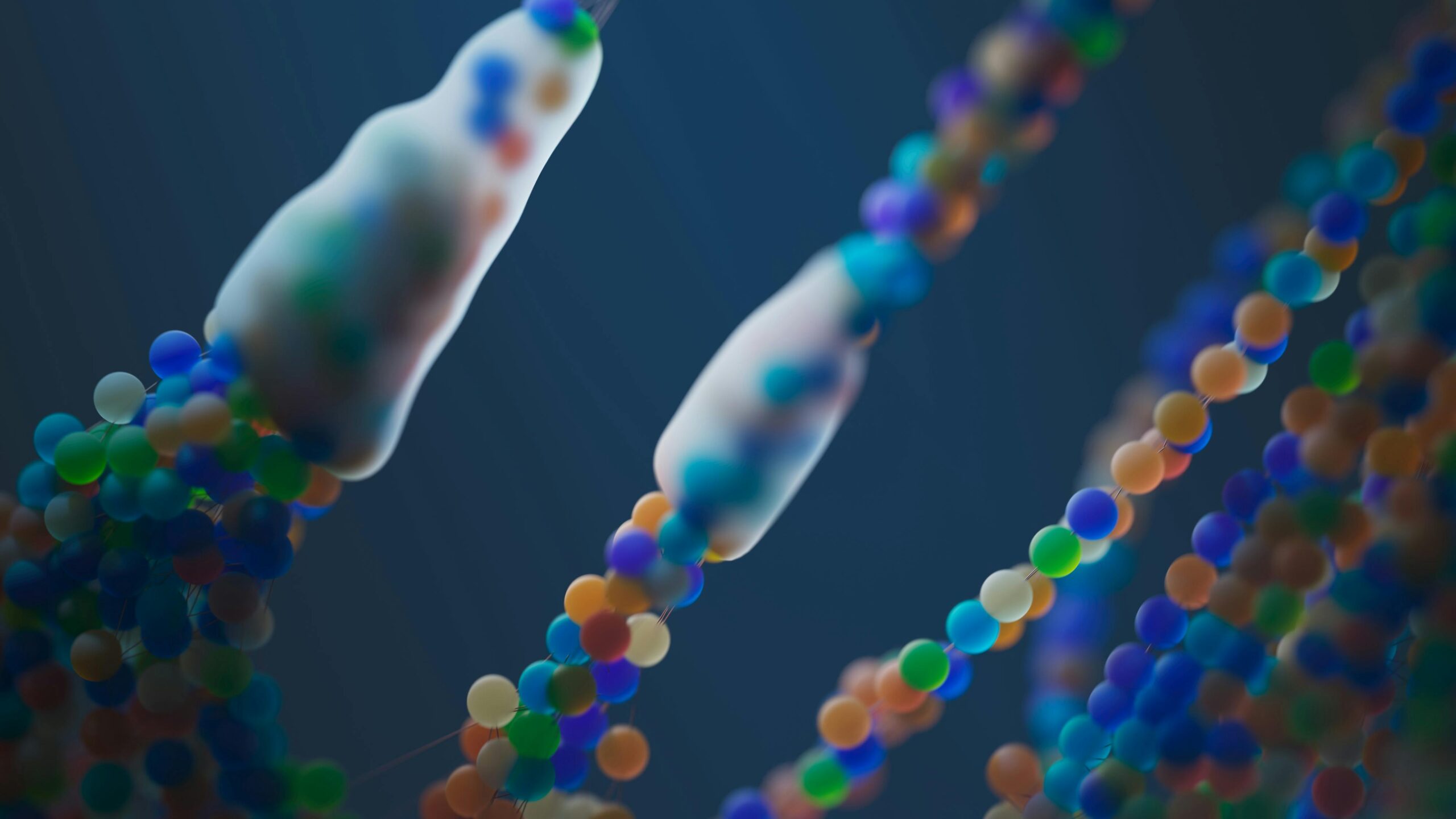
Telomeres are protective caps located at the ends of chromosomes, often compared to the plastic tips on shoelaces that prevent fraying. These repetitive DNA sequences safeguard our genetic information during cell division, but they come with a critical limitation: they shorten with each cellular replication cycle.
This progressive shortening acts as a biological countdown timer, limiting the number of times a cell can divide before entering senescence or programmed death. When telomeres become critically short, cells lose their ability to function properly, contributing to the visible and invisible signs of aging we experience throughout life.
The discovery of telomeres and their relationship to aging earned Elizabeth Blackburn, Carol Greider, and Jack Szostak the Nobel Prize in Physiology or Medicine in 2009. Their pioneering work revealed that an enzyme called telomerase could actually add DNA sequences back to telomeres, effectively rewinding the cellular clock.
The Hayflick Limit and Cellular Senescence
In the 1960s, scientist Leonard Hayflick discovered that normal human cells can only divide approximately 40-60 times before reaching replicative senescence. This phenomenon, now known as the Hayflick Limit, directly correlates with telomere shortening and represents a fundamental constraint on cellular immortality.
As cells approach this limit, they undergo dramatic changes in function and behavior. Senescent cells secrete inflammatory molecules, contributing to tissue dysfunction and age-related diseases. Understanding this process has become crucial for developing interventions that might delay or reverse cellular aging.
⚡ The Telomerase Breakthrough: Nature’s Anti-Aging Enzyme
Telomerase represents one of nature’s most fascinating solutions to the aging problem. This ribonucleoprotein enzyme can synthesize telomeric DNA sequences, effectively counteracting the natural shortening that occurs during cell division. While most adult cells have little to no telomerase activity, certain cell types maintain high levels throughout life.
Stem cells, germ cells, and unfortunately, cancer cells all exhibit robust telomerase activity, allowing them to divide indefinitely. This observation has created both excitement and caution in the scientific community: activating telomerase could theoretically extend cellular lifespan, but might also increase cancer risk.
Balancing Longevity and Safety
The challenge facing researchers is developing methods to harness telomerase’s benefits while minimizing potential risks. Recent studies have shown that transient activation of telomerase—temporary increases rather than permanent upregulation—might offer the ideal compromise, providing rejuvenating effects without triggering uncontrolled cell growth.
Several biotech companies and research institutions are now racing to develop safe telomerase-activating therapies. These range from small molecule drugs to gene therapy approaches, each with unique advantages and challenges in clinical application.
🔬 Cutting-Edge Telomere Extension Studies: Current Research Frontiers
Contemporary telomere research has exploded across multiple disciplines, from molecular biology to clinical medicine. Scientists are employing increasingly sophisticated techniques to not only measure telomere length with precision but also to manipulate these structures in controlled, therapeutic ways.
Gene Therapy Approaches
One of the most promising avenues involves using gene therapy to temporarily introduce telomerase into specific cell populations. In landmark experiments conducted by Maria Blasco’s team at the Spanish National Cancer Research Centre, mice treated with telomerase gene therapy showed extended lifespan, improved health markers, and no increased cancer incidence.
These findings have inspired human trials exploring similar approaches. The therapy involves delivering the gene encoding telomerase reverse transcriptase (TERT) using viral vectors, allowing cells to produce the enzyme for a limited time before the genetic material degrades naturally.
Small Molecule Telomerase Activators
Pharmaceutical researchers have identified several compounds that can enhance telomerase activity without genetic modification. These small molecules work by various mechanisms, including improving telomerase assembly, enhancing its catalytic efficiency, or protecting existing telomeres from degradation.
TA-65, a compound derived from the Astragalus plant, became one of the first commercially available telomerase activators. While controversial and requiring more rigorous clinical validation, it sparked widespread interest in natural and synthetic compounds that might safely extend telomeres.
📊 Measuring Success: Telomere Length as a Biomarker of Biological Age
Accurately measuring telomere length has become increasingly important not just for research but for personalized medicine. Various techniques now allow scientists and clinicians to assess telomere status, providing insights into biological versus chronological age.
| Measurement Method | Advantages | Limitations |
|---|---|---|
| qPCR | Fast, cost-effective, high throughput | Provides relative rather than absolute measurements |
| Flow-FISH | Cell-type specific analysis | Requires fresh blood samples, more complex |
| Southern Blot | Gold standard accuracy | Labor-intensive, requires large DNA samples |
| Single Telomere Length Analysis | Highest resolution, individual telomere data | Expensive, technically demanding |
These measurement technologies have revealed fascinating correlations between telomere length and various health outcomes. Shorter telomeres have been associated with cardiovascular disease, diabetes, neurodegenerative conditions, and overall mortality risk, making them valuable predictive biomarkers.
💪 Lifestyle Factors That Influence Telomere Length
While genetic therapies capture headlines, research has revealed that everyday lifestyle choices significantly impact telomere maintenance. This discovery has democratized longevity science, suggesting that individuals can take action today to protect their cellular health.
Exercise and Physical Activity
Multiple studies have demonstrated that regular exercise correlates with longer telomeres. A comprehensive study published in the European Heart Journal found that endurance athletes had significantly longer telomeres than sedentary individuals, with the effect being most pronounced in those who maintained consistent training over years.
The mechanism appears to involve both reduced oxidative stress and increased telomerase activity. Exercise activates cellular pathways that upregulate telomerase expression, providing a natural way to counteract age-related telomere shortening.
Stress Management and Mental Health
Psychological stress has emerged as one of the most potent accelerators of telomere shortening. Chronic stress increases cortisol levels and oxidative damage, both of which negatively impact telomere maintenance. Conversely, stress-reduction practices like meditation have shown promising effects on telomere preservation.
A landmark study by Nobel laureate Elizabeth Blackburn and health psychologist Elissa Epel found that women under high chronic stress had telomeres equivalent to someone a decade older. This research highlighted the profound connection between mind and cellular aging.
Nutritional Interventions
Diet quality significantly influences telomere dynamics. Antioxidant-rich foods, omega-3 fatty acids, and vitamin D have all been associated with longer telomeres. Conversely, processed foods, excessive sugar consumption, and oxidative dietary patterns accelerate telomere shortening.
- Foods rich in omega-3 fatty acids (fish, walnuts, flaxseeds) support telomere maintenance
- Antioxidant-packed vegetables and fruits combat oxidative stress at the chromosomal level
- Vitamin D supplementation has shown correlations with improved telomere length in deficient individuals
- Caloric restriction and intermittent fasting may enhance telomerase activity through metabolic pathways
- Polyphenol-rich foods like green tea and berries provide cellular protection
🏥 Clinical Applications: From Theory to Therapeutic Reality
The transition from laboratory discoveries to clinical applications represents the ultimate goal of telomere research. Several therapeutic approaches are now moving through various stages of development and testing, bringing the promise of cellular rejuvenation closer to reality.
Age-Related Disease Prevention
Telomere extension therapies show particular promise for preventing or treating age-related conditions. Cardiovascular disease, osteoporosis, immune senescence, and cognitive decline all share telomere shortening as a common feature, suggesting that telomere-targeted interventions might address multiple conditions simultaneously.
Early-stage clinical trials are exploring telomerase activation for specific conditions like idiopathic pulmonary fibrosis, where critically short telomeres contribute to disease progression. Results from these trials will provide crucial safety and efficacy data for broader applications.
Regenerative Medicine Integration
Telomere extension technologies are being integrated into regenerative medicine protocols. Stem cell therapies enhanced with telomerase activation show improved proliferative capacity and therapeutic potential. This combination approach might revolutionize treatments for degenerative conditions and injury repair.
⚠️ Ethical Considerations and Future Challenges
As with any powerful biological intervention, telomere manipulation raises important ethical questions. The potential for radical life extension forces society to confront profound questions about resource allocation, population dynamics, and the very meaning of the human lifespan.
Access and equity concerns loom large. If telomere therapies prove effective, will they be available only to the wealthy, creating a biological divide between those who can afford cellular rejuvenation and those who cannot? These questions require thoughtful dialogue between scientists, ethicists, policymakers, and the public.
Cancer Risk Assessment
The relationship between telomerase activation and cancer risk remains a critical concern requiring ongoing research. While transient activation appears safer than permanent upregulation, long-term surveillance will be essential to ensure that longevity interventions don’t inadvertently increase malignancy rates.
Sophisticated monitoring protocols and combination therapies that include cancer prevention strategies may be necessary components of any clinical telomere extension program. The balance between extending healthy lifespan and maintaining robust tumor suppression mechanisms must be carefully maintained.
🌟 The Convergence of Technologies: AI, CRISPR, and Telomere Science
The future of telomere research lies not in isolation but in convergence with other cutting-edge technologies. Artificial intelligence is already accelerating the discovery of novel telomerase activators and predicting individual responses to interventions based on genetic and lifestyle factors.
CRISPR gene editing technology offers unprecedented precision in modifying genes related to telomere maintenance. Scientists can now edit specific regulatory sequences that control telomerase expression, potentially creating personalized genetic interventions tailored to individual needs.
Machine learning algorithms analyzing vast datasets of telomere measurements across diverse populations are revealing subtle patterns invisible to human researchers. These insights are refining our understanding of what constitutes healthy telomere dynamics and identifying new therapeutic targets.
🚀 The Road Ahead: Realistic Timelines and Expectations
While excitement about telomere extension is justified, maintaining realistic expectations about timelines and outcomes is crucial. Most experts predict that safe, effective telomere therapies for general longevity applications remain 10-20 years from widespread clinical availability.
However, more immediate applications for specific diseases may arrive sooner. Conditions directly linked to telomere dysfunction, such as certain genetic disorders and age-related diseases, represent the most likely near-term beneficiaries of telomere-targeted therapies.
The integration of telomere science with comprehensive healthy aging strategies—combining lifestyle optimization, preventive medicine, and eventually targeted cellular interventions—offers the most promising path forward. Rather than a single magic bullet, longevity will likely result from orchestrating multiple complementary approaches.
🔮 Transforming Tomorrow: The Longevity Revolution Begins at the Cellular Level
The secrets locked within our telomeres are gradually yielding to scientific investigation, revealing a complex but increasingly comprehensible system that governs cellular aging. As research accelerates and technologies mature, the prospect of meaningfully extending healthy human lifespan shifts from science fiction to scientific possibility.
What makes this moment particularly exciting is the convergence of understanding and capability. We now comprehend not just what telomeres do, but increasingly how to safely manipulate them for therapeutic benefit. The next decade will likely witness the first generation of true anti-aging interventions emerging from telomere research.
For individuals interested in longevity today, the message is clear: while breakthrough therapies develop, proven lifestyle interventions can protect telomeres now. Exercise regularly, manage stress effectively, maintain a nutrient-rich diet, prioritize sleep, and foster strong social connections. These actions represent the current frontier of practical telomere maintenance.
The future of human longevity is being written at the molecular level, in the protective caps of our chromosomes. As we unlock these cellular secrets, we’re not just adding years to life, but life to years—enhancing vitality, resilience, and health throughout an extended lifespan. The age of cellular rejuvenation is dawning, promising to transform not just how long we live, but how well we live those extended years.