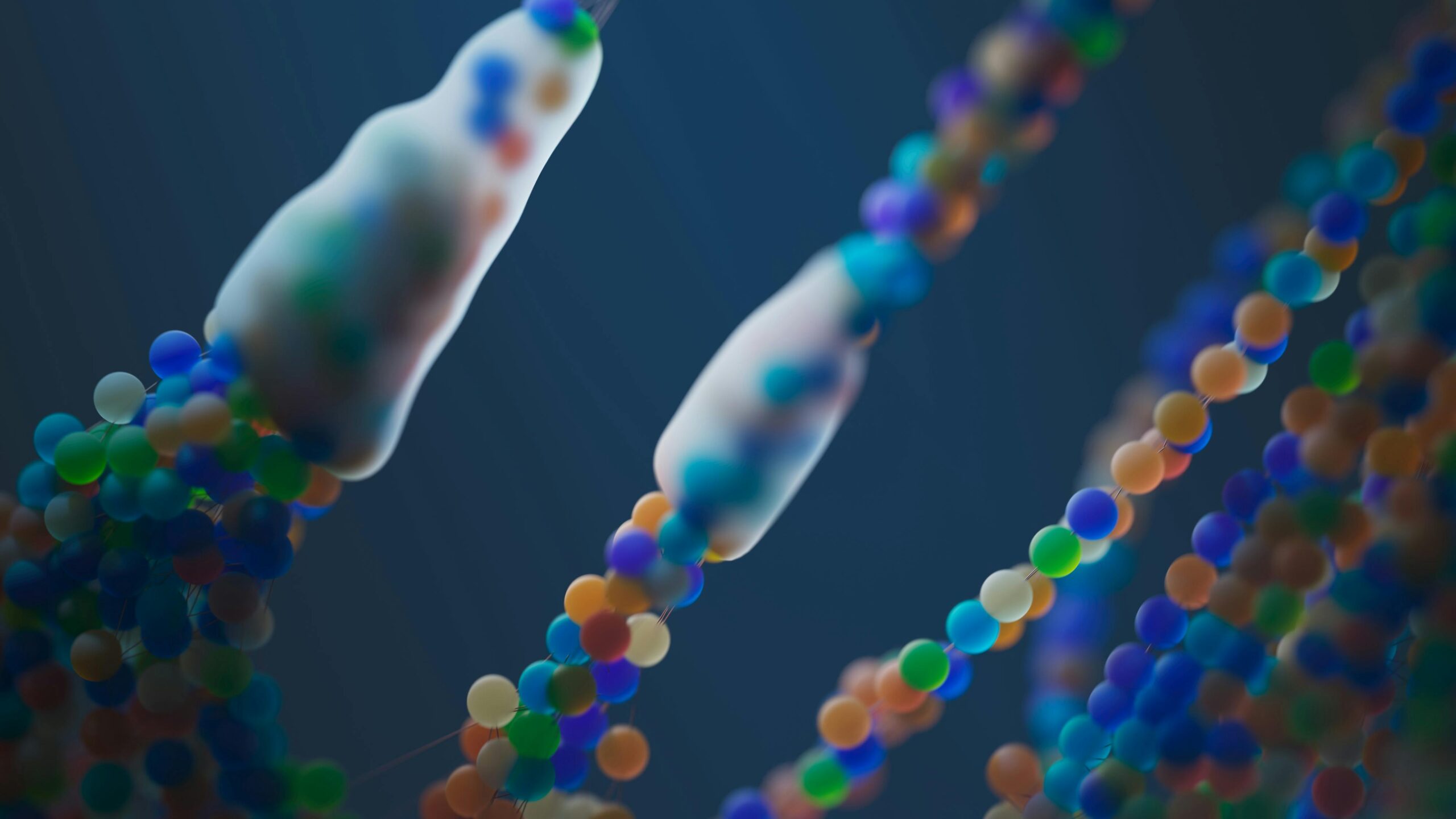
The future of medicine is being rewritten at the cellular level, where science meets innovation to create solutions that once existed only in the realm of science fiction. 🧬

For decades, the human body’s ability to heal has fascinated researchers and clinicians alike. While our natural regenerative capacity is remarkable, it has significant limitations—especially when dealing with severe injuries, organ damage, or degenerative diseases. This is where bioengineered scaffolds emerge as game-changers, offering unprecedented possibilities for tissue regeneration and healing that could fundamentally transform healthcare as we know it.
The Science Behind Bioengineered Scaffolds: Building Blocks of Regeneration
Bioengineered scaffolds represent sophisticated three-dimensional structures designed to support cellular growth, tissue formation, and organ regeneration. These scaffolds serve as temporary frameworks that guide the body’s natural healing processes while providing mechanical support and biochemical cues necessary for tissue development.
At their core, these scaffolds mimic the extracellular matrix—the natural scaffolding that exists within our bodies. By replicating this environment, bioengineered scaffolds create optimal conditions for cells to attach, proliferate, differentiate, and ultimately form functional tissue. The materials used range from natural polymers like collagen and chitosan to synthetic alternatives such as polylactic acid and polycaprolactone, each offering unique advantages for specific applications.
Key Components That Make Scaffolds Work
The effectiveness of bioengineered scaffolds depends on several critical characteristics that determine their success in promoting tissue regeneration:
- Biocompatibility: Materials must be non-toxic and accepted by the body without triggering adverse immune responses
- Porosity: Adequate pore size and interconnectivity allow nutrient diffusion, waste removal, and cellular migration
- Mechanical properties: Scaffolds must provide appropriate structural support while matching the mechanical characteristics of target tissues
- Biodegradability: Controlled degradation rates ensure scaffolds dissolve as new tissue forms, eliminating the need for removal surgery
- Surface properties: Micro and nano-scale surface features influence cell adhesion, orientation, and behavior
Revolutionary Applications Transforming Patient Care
The versatility of advanced bioengineered scaffolds has opened doors to treating conditions previously considered untreatable or requiring invasive procedures with limited success rates. From orthopedics to cardiology, these innovations are making significant impacts across medical specialties. ✨
Bone and Cartilage Regeneration
Orthopedic applications represent some of the most developed uses of bioengineered scaffolds. Traditional treatments for severe bone fractures or cartilage damage often involve bone grafts with associated complications including donor site morbidity, limited availability, and rejection risks. Bioengineered scaffolds eliminate these concerns while promoting faster, more complete healing.
Recent developments include scaffolds infused with growth factors and stem cells that accelerate bone formation. Clinical trials have demonstrated impressive results, with patients experiencing enhanced healing times and improved functional outcomes compared to conventional treatments. For cartilage regeneration—particularly challenging due to this tissue’s limited natural healing capacity—scaffolds combined with chondrocytes are showing promise in restoring joint function for osteoarthritis patients.
Cardiovascular Tissue Engineering
Heart disease remains the leading cause of death globally, and the shortage of donor organs makes cardiac tissue engineering a critical area of research. Bioengineered scaffolds are being developed to repair damaged heart tissue following myocardial infarction, potentially preventing progression to heart failure.
These cardiac patches incorporate cardiomyocytes and vascular cells within scaffolds designed to integrate with existing heart tissue. The scaffolds provide mechanical support while facilitating electrical conductivity essential for synchronized heart contractions. Early-stage clinical applications have shown that these patches can improve cardiac function, reduce scarring, and promote vascularization of damaged areas.
Skin Regeneration and Wound Healing
For patients with severe burns, chronic wounds, or extensive skin loss, bioengineered skin scaffolds offer life-changing solutions. Traditional skin grafts face limitations in availability and often result in scarring and functional impairment. Advanced dermal scaffolds seeded with patient cells can generate new skin tissue that closely resembles natural skin in both appearance and function.
These scaffolds incorporate multiple layers mimicking the epidermis and dermis, complete with appropriate cellular populations and growth factors. The result is accelerated wound closure, reduced infection risk, and superior cosmetic outcomes that significantly improve patients’ quality of life.
Cutting-Edge Technologies Driving Innovation Forward 🚀
The rapid advancement of bioengineered scaffolds wouldn’t be possible without breakthrough technologies that enable precise design, fabrication, and customization of these medical devices.
3D Bioprinting: Precision at the Microscale
Three-dimensional bioprinting has revolutionized scaffold fabrication by allowing layer-by-layer construction of complex structures with unprecedented precision. This technology enables researchers to create patient-specific scaffolds that perfectly match anatomical requirements, incorporating multiple cell types and biomaterials in defined spatial arrangements.
Bioprinting systems can now produce scaffolds with intricate internal architectures, controlled porosity gradients, and integrated vascular networks—features impossible to achieve with traditional manufacturing methods. This customization potential represents a significant step toward personalized regenerative medicine.
Nanotechnology Integration
Incorporating nanomaterials and nanostructures into scaffolds has opened new possibilities for controlling cellular behavior at the molecular level. Nanofibers, nanoparticles, and nanocoatings can enhance mechanical properties, deliver therapeutic agents in controlled fashion, and provide topographical cues that direct stem cell differentiation.
Graphene, carbon nanotubes, and bioactive glass nanoparticles are among the materials being integrated into scaffolds to improve electrical conductivity, antimicrobial properties, and osteogenic potential. These enhancements are particularly valuable for neural and bone tissue engineering applications.
Smart Scaffolds with Responsive Properties
The latest generation of bioengineered scaffolds incorporates smart materials that respond to environmental stimuli such as pH, temperature, or enzymatic activity. These responsive scaffolds can release growth factors on demand, change mechanical properties as tissue develops, or provide real-time feedback about healing progress.
Such dynamic scaffolds represent a paradigm shift from passive support structures to active participants in the regeneration process, adapting their behavior to meet changing tissue requirements throughout healing.
Clinical Success Stories: From Laboratory to Bedside
While much research remains preclinical, numerous bioengineered scaffold technologies have successfully transitioned to clinical use, demonstrating tangible benefits for patients worldwide.
In pediatric medicine, bioengineered tracheal scaffolds have saved children with congenital airway defects who previously faced limited treatment options. These scaffolds, seeded with the patient’s own cells, grow with the child—eliminating the need for multiple replacement surgeries typical of traditional prosthetics.
Bladder reconstruction using bioengineered scaffolds has restored function for patients with congenital abnormalities and traumatic injuries. Clinical studies report successful outcomes with patients regaining urinary control and experiencing improved quality of life without the complications associated with traditional reconstruction techniques.
For peripheral nerve injuries, conduit scaffolds have facilitated nerve regeneration across gaps that previously resulted in permanent loss of function. These scaffolds guide nerve growth while providing supportive environments enriched with neurotrophic factors, resulting in significant functional recovery.
Challenges and Considerations on the Path Forward
Despite remarkable progress, several challenges must be addressed to fully realize the potential of bioengineered scaffolds in regenerative medicine.
Vascularization: The Critical Bottleneck
One of the most significant obstacles in tissue engineering remains creating scaffolds with adequate vascularization. Tissues thicker than a few millimeters require blood vessel networks to deliver oxygen and nutrients to interior cells. Without proper vascularization, cells in scaffold centers experience hypoxia and necrosis, limiting scaffold size and clinical applications.
Researchers are addressing this through pre-vascularized scaffolds, incorporation of angiogenic factors, and co-culture systems that include endothelial cells. Novel approaches using microfluidic channels and bioprinting of vascular networks show promise but require further optimization for clinical translation.
Immune Response and Inflammation Management
Even with biocompatible materials, implanted scaffolds can trigger inflammatory responses that impede regeneration or cause scaffold rejection. Balancing the immune system’s natural response to foreign materials while promoting constructive tissue remodeling remains challenging.
Strategies being explored include immunomodulatory coatings, controlled release of anti-inflammatory agents, and designing scaffolds that promote M2 macrophage polarization—a phenotype associated with tissue repair rather than chronic inflammation.
Regulatory Pathways and Clinical Translation
The complex nature of bioengineered scaffolds—often combining devices, cells, and biological molecules—creates regulatory challenges that can slow clinical translation. Establishing appropriate testing protocols, quality control measures, and clinical trial designs for these hybrid products requires collaboration between researchers, clinicians, regulatory agencies, and industry partners.
Standardization of manufacturing processes and development of reliable potency assays are essential for ensuring consistent product quality and patient safety as these technologies move toward commercialization.
The Economic and Accessibility Dimensions
As with many advanced medical technologies, cost and accessibility present important considerations for widespread adoption of bioengineered scaffolds.
Current production costs for customized scaffolds can be prohibitive, potentially limiting access to patients in resource-rich settings. However, economies of scale, improved manufacturing efficiency, and development of off-the-shelf scaffold options are expected to reduce costs over time, making these treatments accessible to broader patient populations.
Healthcare systems must also consider the long-term economic benefits of regenerative approaches. While upfront costs may exceed traditional treatments, successful tissue regeneration can eliminate the need for lifelong medications, repeat surgeries, and disability management—ultimately providing substantial cost savings and improved patient outcomes.
Emerging Frontiers: What’s Next in Scaffold Technology? 🔬
The field of bioengineered scaffolds continues to evolve rapidly, with several exciting developments on the horizon that promise to further expand therapeutic possibilities.
Organ-on-a-Chip Integration
Combining bioengineered scaffolds with organ-on-a-chip technology creates sophisticated in vitro models that recapitulate organ-level function. These systems provide powerful platforms for drug testing, disease modeling, and personalized medicine approaches, potentially reducing reliance on animal testing while accelerating therapeutic development.
Artificial Intelligence and Machine Learning
AI algorithms are being employed to optimize scaffold design parameters, predict cellular responses, and identify ideal material combinations for specific applications. Machine learning models trained on vast datasets of cellular behavior and scaffold performance can suggest novel designs that human intuition alone might not conceive.
This computational approach accelerates the design-test-refine cycle, potentially reducing development timelines from years to months and enabling more rapid clinical translation of promising technologies.
4D Printing and Dynamic Scaffolds
Four-dimensional printing adds the element of time to 3D-printed structures, creating scaffolds that change shape, properties, or function in response to stimuli. These dynamic scaffolds could adapt to tissue development stages, providing different mechanical support or releasing various factors as regeneration progresses.
Applications include self-folding scaffolds that achieve complex shapes after implantation and structures that degrade in programmed sequences to match tissue maturation rates.
Collaborative Ecosystems Accelerating Progress
Advancing bioengineered scaffold technology requires multidisciplinary collaboration bringing together expertise from diverse fields including materials science, cell biology, clinical medicine, engineering, and computational modeling.
Academic-industry partnerships are proving particularly valuable, combining fundamental research insights with commercial development capabilities and regulatory expertise. Patient advocacy groups also play crucial roles in identifying unmet clinical needs and providing perspective on treatment priorities.
International collaborations and data sharing initiatives accelerate progress by pooling resources, avoiding duplication of efforts, and establishing common standards that facilitate technology transfer across borders.

Transforming Healthcare Paradigms Through Regeneration
Bioengineered scaffolds represent more than incremental improvements to existing treatments—they fundamentally challenge how we think about healing and medical intervention. Rather than simply managing disease or replacing damaged tissues with foreign materials, regenerative approaches using advanced scaffolds harness the body’s inherent healing capacity to restore function authentically.
This paradigm shift has profound implications for treatment philosophies, patient expectations, and healthcare delivery models. As these technologies mature and become more accessible, they promise to reduce the burden of chronic disease, improve quality of life for millions of patients, and potentially extend healthy lifespan by maintaining tissue and organ function throughout aging.
The journey from laboratory concept to widespread clinical application continues, but the progress achieved in recent years demonstrates the tremendous potential of bioengineered scaffolds. With ongoing technological advances, increasing clinical validation, and growing investment in regenerative medicine, we stand at the threshold of a new era in healthcare—one where healing and regeneration take precedence over mere management of disease.
The revolution in regenerative medicine powered by advanced bioengineered scaffolds isn’t a distant dream—it’s unfolding now, transforming patient care and redefining what’s possible in healing. As research progresses and technologies mature, these innovations will continue expanding treatment options, improving outcomes, and offering hope to patients facing conditions once considered beyond medical intervention. The future of healing is being built one scaffold at a time, cell by cell, creating a tomorrow where regeneration replaces limitation. 🌟