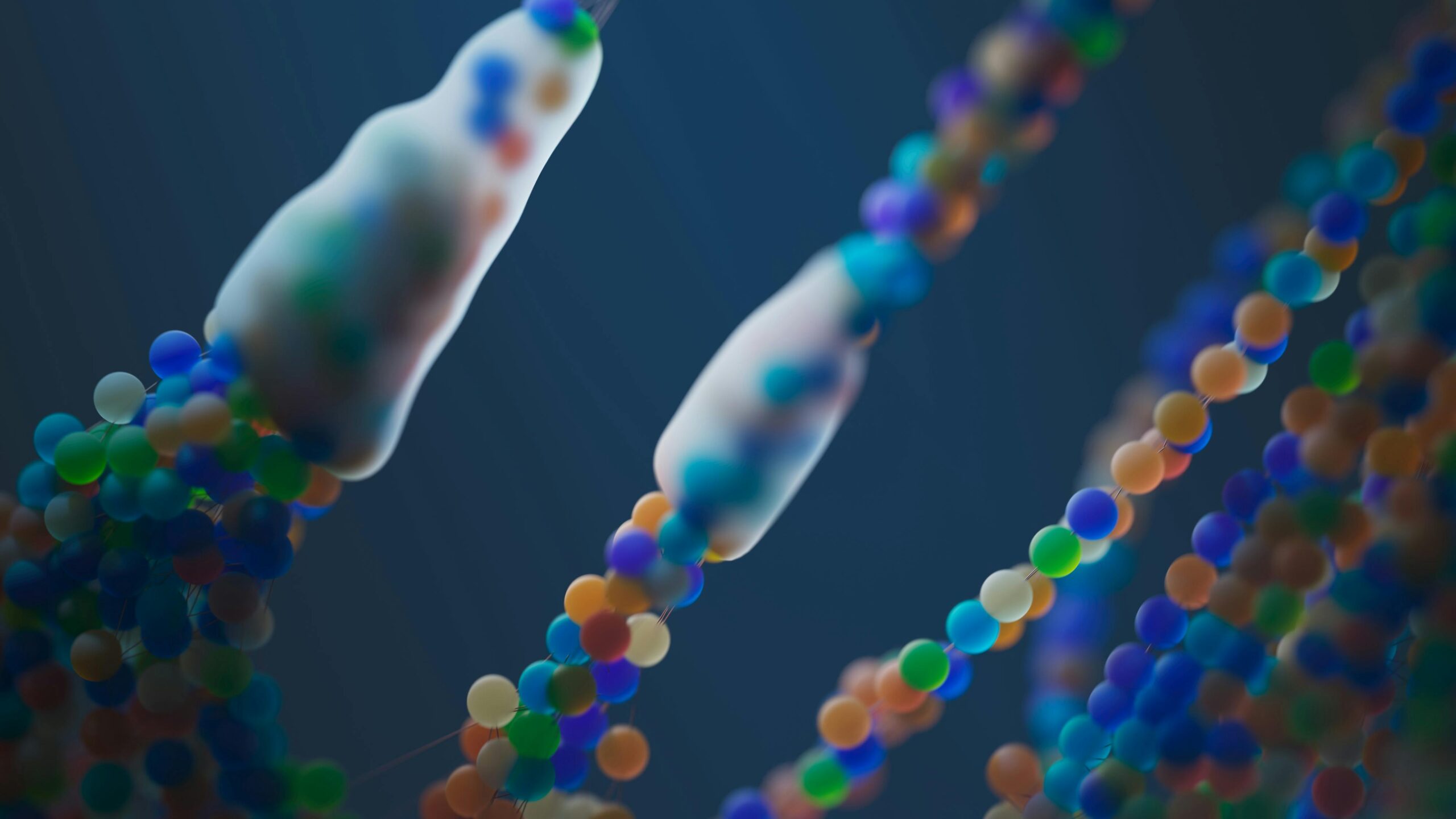
Artificial intelligence is reshaping the landscape of modern medicine, bringing unprecedented capabilities to diagnostic processes that were once limited by human capacity and time constraints.

The integration of AI-powered diagnostic systems into healthcare facilities worldwide represents one of the most significant technological leaps in medical history. These sophisticated tools are not replacing physicians but rather augmenting their abilities, enabling faster, more accurate diagnoses while reducing the margin of error that can occur in traditional diagnostic methods. From detecting cancerous cells invisible to the human eye to predicting patient outcomes with remarkable precision, AI diagnostic systems are fundamentally transforming how we approach disease detection and treatment planning.
🔬 The Evolution of AI in Medical Diagnostics
The journey of artificial intelligence in healthcare diagnostics began decades ago, but recent advancements in machine learning and deep learning algorithms have accelerated progress exponentially. Early diagnostic systems relied on rule-based programming, where doctors manually encoded medical knowledge into computer systems. Today’s AI diagnostic platforms leverage neural networks that learn from millions of medical cases, continuously improving their accuracy and expanding their diagnostic capabilities.
Modern AI diagnostic systems utilize convolutional neural networks (CNNs) and recurrent neural networks (RNNs) to analyze complex medical data. These systems can process medical imaging, laboratory results, genetic information, and patient history simultaneously, identifying patterns that might escape even the most experienced clinicians. The technology has matured to the point where AI systems can match or exceed human expert performance in specific diagnostic tasks, particularly in radiology, pathology, and dermatology.
Breaking Through Traditional Limitations
Traditional diagnostic methods face inherent limitations: human fatigue, variation in expertise, time constraints, and the sheer volume of medical knowledge required to make accurate diagnoses. AI diagnostic systems address these challenges by maintaining consistent performance regardless of workload, accessing vast medical databases instantly, and applying standardized criteria across all cases. This consistency is particularly valuable in regions with limited access to specialist physicians, where AI can provide expert-level diagnostic support.
💡 Key Applications Transforming Patient Care
The practical applications of AI diagnostic systems span virtually every medical specialty, with some areas experiencing particularly dramatic transformations. These technologies are not theoretical concepts but actively deployed solutions saving lives and improving patient outcomes daily.
Medical Imaging and Radiology Revolution
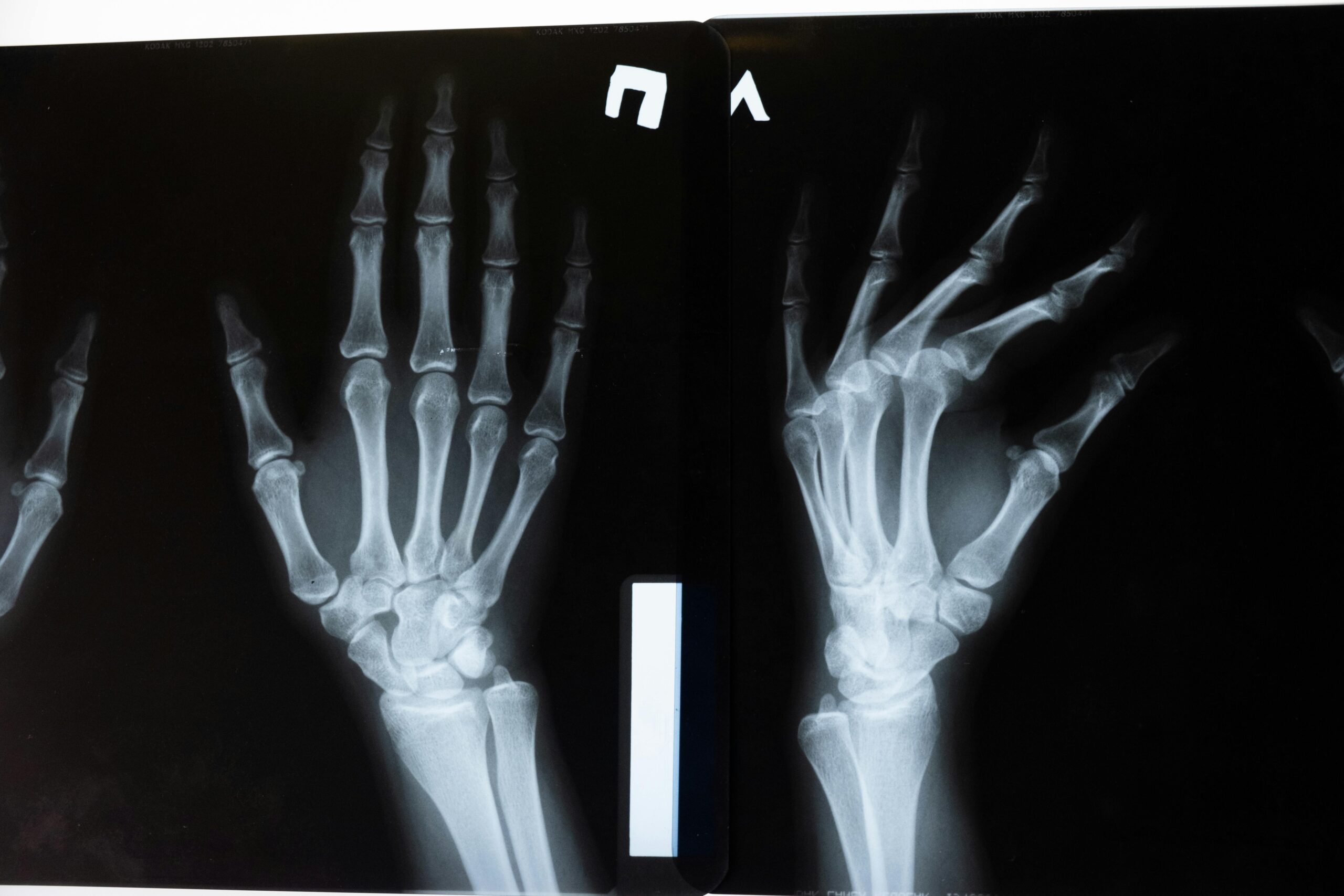
Radiological imaging represents one of the most successful implementations of AI diagnostics. Deep learning algorithms excel at analyzing X-rays, CT scans, MRIs, and ultrasounds, detecting abnormalities with impressive accuracy. AI systems can identify lung nodules, brain hemorrhages, bone fractures, and cardiac abnormalities in seconds, flagging critical cases for immediate attention while triaging routine examinations efficiently.
These systems have demonstrated particular strength in detecting early-stage cancers. Breast cancer screening using AI-enhanced mammography has shown the ability to reduce false positives while catching tumors at earlier, more treatable stages. Similarly, AI algorithms analyzing chest X-rays can identify tuberculosis, pneumonia, and lung cancer with sensitivity rates comparable to expert radiologists, making screening programs more accessible in underserved populations.
Pathology and Cellular Analysis
Digital pathology combined with AI is revolutionizing tissue analysis and cancer diagnosis. Whole slide imaging systems capture high-resolution images of tissue samples, which AI algorithms analyze to identify cancerous cells, grade tumors, and predict treatment responses. This technology addresses the global shortage of pathologists while providing faster turnaround times for critical diagnoses.
AI pathology systems can quantify cellular features with precision impossible for human observers, measuring hundreds of characteristics per cell and identifying subtle patterns associated with disease progression or treatment resistance. This quantitative approach enables more personalized treatment planning and better prognostic predictions.
⚡ Speed and Precision: The Competitive Advantage
The dual benefits of speed and precision represent the most compelling advantages of AI diagnostic systems. In emergency medicine, where minutes can mean the difference between life and death, AI systems analyzing CT scans for stroke or pulmonary embolism can alert physicians to critical findings before they’ve even completed their initial patient assessment.
Precision medicine requires analyzing vast amounts of genetic, molecular, and clinical data to identify optimal treatment strategies for individual patients. AI systems excel at integrating these diverse data sources, identifying which patients will respond to specific therapies and predicting potential adverse reactions. This capability is particularly valuable in oncology, where AI platforms analyze tumor genetics to recommend targeted therapies with the highest probability of success.
Real-World Performance Metrics
Clinical validation studies have demonstrated impressive performance across multiple diagnostic domains. In diabetic retinopathy screening, AI systems have achieved sensitivity and specificity rates exceeding 90%, enabling automated screening programs that can prevent blindness in diabetic patients. Skin cancer detection algorithms analyzing dermatological images have matched dermatologist accuracy, with some systems demonstrating superior performance in distinguishing melanomas from benign lesions.
Cardiac imaging analysis using AI has reduced interpretation time for echocardiograms from 30 minutes to under five minutes while maintaining diagnostic accuracy for conditions like heart failure and valvular disease. These time savings allow cardiologists to see more patients and focus their expertise on complex cases requiring nuanced clinical judgment.
🏥 Integration into Clinical Workflows
Successful implementation of AI diagnostic systems requires thoughtful integration into existing clinical workflows. The most effective deployments treat AI as a collaborative partner rather than a replacement for human expertise. Radiologists use AI to prioritize worklists, focusing first on studies flagged as potentially abnormal. Primary care physicians leverage AI-powered clinical decision support systems that suggest diagnostic possibilities based on patient symptoms and test results.
Electronic health record systems increasingly incorporate AI diagnostic tools that run silently in the background, alerting clinicians to potential issues like drug interactions, missed diagnoses, or patients at high risk for deterioration. These ambient intelligence systems enhance safety without disrupting established workflows or adding to physician documentation burdens.
Training and Adoption Challenges
Healthcare professionals require training to effectively utilize AI diagnostic systems and understand their capabilities and limitations. Medical schools and residency programs are incorporating AI education into curricula, preparing the next generation of physicians to work alongside these technologies. Continuing medical education programs help practicing clinicians develop AI literacy and learn best practices for human-AI collaboration.
Cultural resistance represents a significant adoption barrier in some healthcare settings. Concerns about liability, algorithm transparency, and the potential dehumanization of medicine must be addressed through education, transparent communication about system performance, and clear protocols for AI-assisted decision-making. Successful implementation requires demonstrating value to clinicians through improved efficiency, reduced diagnostic errors, and better patient outcomes.
🌐 Global Impact and Healthcare Accessibility
AI diagnostic systems have profound implications for global health equity. Regions lacking specialist physicians can deploy AI tools that bring expert-level diagnostic capabilities to remote clinics and underserved populations. Telemedicine platforms incorporating AI diagnostics enable remote consultation and screening programs that were previously logistically impossible.
In developing countries, AI-powered diagnostic systems running on smartphones or tablets provide point-of-care testing capabilities for conditions like malaria, tuberculosis, and cervical cancer. These portable systems democratize access to quality diagnostics, potentially saving millions of lives by enabling early detection and treatment in resource-limited settings.
Economic Considerations
The economic impact of AI diagnostics extends beyond direct cost savings from efficiency gains. Early disease detection enabled by AI screening programs reduces treatment costs by catching conditions before they progress to advanced stages. Reduced diagnostic errors prevent unnecessary treatments and procedures, saving healthcare systems billions annually while improving patient safety.
However, implementation costs, including hardware, software licensing, system integration, and training, represent significant investments. Healthcare organizations must carefully evaluate return on investment, considering both financial metrics and qualitative benefits like improved patient outcomes and clinician satisfaction.
🔒 Ethical Considerations and Regulatory Frameworks
The deployment of AI diagnostic systems raises important ethical questions about accountability, bias, transparency, and patient privacy. When an AI system contributes to a diagnostic decision, questions of liability become complex. Regulatory frameworks are evolving to address these challenges, with agencies like the FDA establishing pathways for AI medical device approval while ensuring safety and efficacy.
Algorithmic bias represents a critical concern. AI systems trained predominantly on data from specific populations may perform poorly on underrepresented groups, potentially exacerbating health disparities. Ensuring diverse training datasets and rigorous validation across demographic groups is essential for equitable AI diagnostics.
Data Privacy and Security
AI diagnostic systems require access to sensitive patient data, raising privacy concerns. Robust cybersecurity measures, data encryption, and compliance with regulations like HIPAA and GDPR are essential. Federated learning approaches, which train AI models without centralizing patient data, offer promising solutions for maintaining privacy while enabling algorithm improvement.
Patient consent and transparency about AI involvement in diagnostic processes respect autonomy and build trust. Healthcare providers must clearly communicate when AI systems contribute to diagnostic decisions and explain how these tools work in accessible terms.
🚀 Future Horizons and Emerging Technologies
The future of AI diagnostics promises even more remarkable capabilities. Multi-modal AI systems that simultaneously analyze imaging, genomics, proteomics, and clinical data will provide comprehensive diagnostic assessments that consider all relevant patient information. Predictive diagnostics will identify disease risk years before symptoms appear, enabling preventive interventions that keep people healthy rather than treating established disease.
Continuous monitoring systems using wearable sensors and AI analysis will detect physiological changes indicating developing health problems, alerting patients and providers to seek care before emergencies occur. These systems could transform chronic disease management, reducing hospitalizations and improving quality of life for millions of patients.
AI-Discovered Biomarkers
AI systems analyzing large-scale datasets are discovering novel biomarkers for diseases, identifying patterns in molecular data that humans would never recognize. These AI-discovered biomarkers enable earlier detection and more precise disease classification, opening new therapeutic possibilities. The synergy between AI diagnostics and drug development will accelerate personalized medicine, tailoring treatments to individual patient characteristics with unprecedented precision.
💪 Empowering Healthcare Professionals
Rather than replacing physicians, AI diagnostic systems empower healthcare professionals to focus on what they do best: providing compassionate care, making complex clinical judgments, and building therapeutic relationships with patients. By automating routine diagnostic tasks and providing decision support for challenging cases, AI frees clinicians to spend more time with patients, improving satisfaction for both parties.
The collaboration between human expertise and artificial intelligence creates a diagnostic capability greater than either alone could achieve. Physicians bring contextual understanding, clinical intuition, and the ability to integrate patient values into treatment decisions. AI contributes tireless analysis, pattern recognition across vast datasets, and consistent application of diagnostic criteria. Together, they deliver optimal patient care.
🎯 Practical Steps for Healthcare Organizations
Healthcare organizations considering AI diagnostic implementation should begin with clear objectives aligned to specific clinical needs. Pilot projects in well-defined areas allow testing and refinement before broader deployment. Engaging clinicians early in the selection and implementation process ensures chosen systems address real needs and integrate smoothly into workflows.
Building internal AI expertise through training programs and hiring data scientists creates capacity for ongoing system optimization and troubleshooting. Establishing governance frameworks that address ethical considerations, quality assurance, and continuous monitoring ensures responsible AI deployment that maintains patient safety and trust.
The transformation of healthcare through AI diagnostic systems is not a distant possibility but a present reality. These technologies are already saving lives, improving diagnostic accuracy, and expanding access to quality healthcare worldwide. As AI systems continue advancing and healthcare professionals become more adept at leveraging their capabilities, the full potential of this revolution will unfold, creating a future where precision diagnostics are faster, more accurate, and universally accessible. The integration of cutting-edge AI into medical practice represents not just technological progress but a fundamental reimagining of how we detect, understand, and treat disease, ultimately serving the timeless mission of medicine: healing and protecting human health.