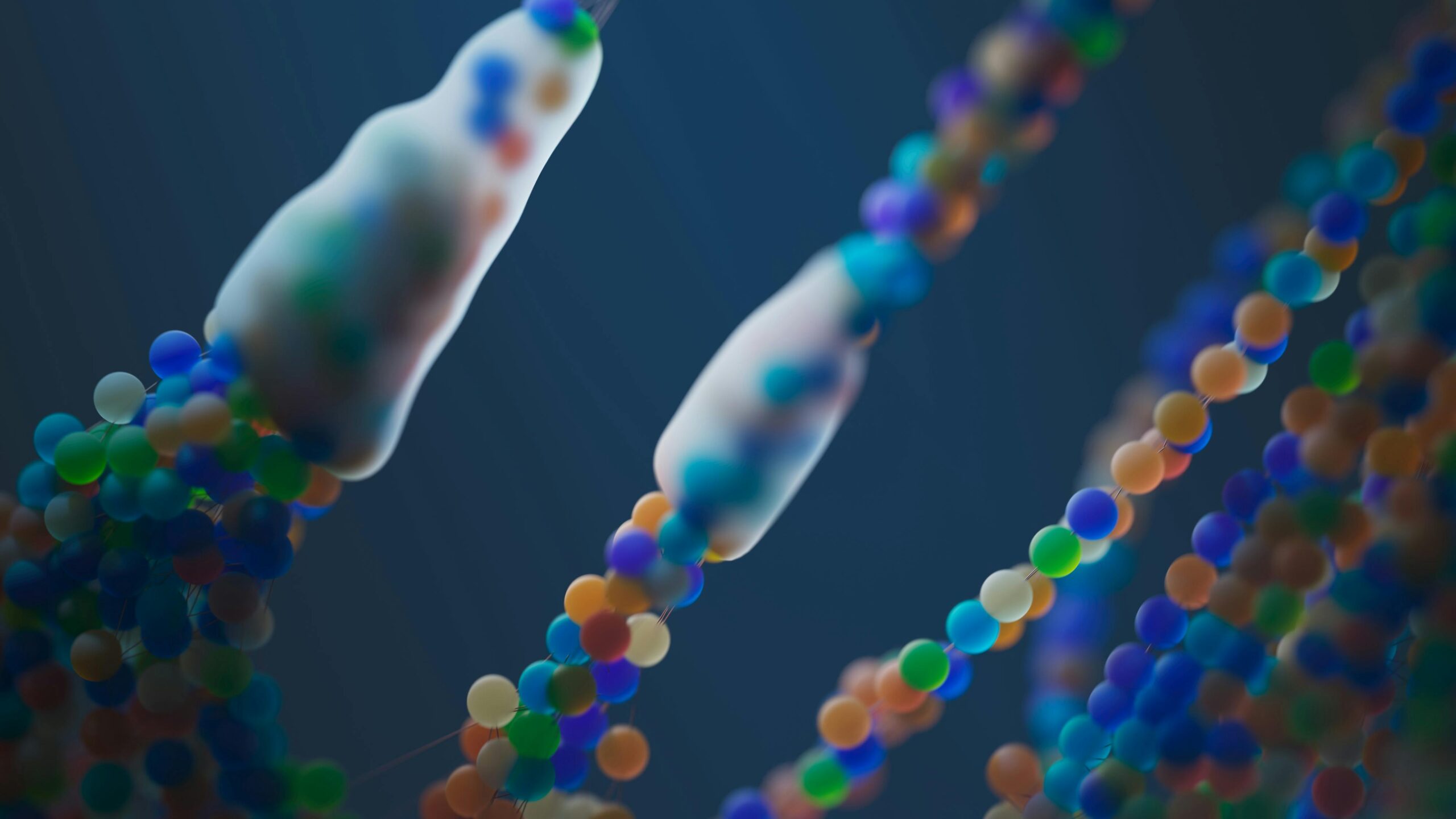
The intricate network of biochemical pathways within our bodies holds the key to understanding life itself. These molecular highways govern everything from metabolism to immune response, offering unprecedented opportunities for medical innovation.

Modern science stands at a transformative crossroads where decoding these pathways enables us to address diseases once considered untreatable. By understanding and modulating these biological circuits, researchers are revolutionizing healthcare, extending lifespans, and enhancing quality of life through precision interventions that target the root causes of illness rather than merely treating symptoms.
🧬 The Foundation: Understanding Biochemical Pathways
Biochemical pathways represent the complex series of chemical reactions occurring within cells that maintain life. These interconnected networks control fundamental processes including energy production, cell signaling, DNA replication, and protein synthesis. Each pathway consists of substrates, enzymes, and products working in coordinated sequences that can span milliseconds to hours.
The human body operates through thousands of these pathways simultaneously. The glycolytic pathway converts glucose into energy, the citric acid cycle generates ATP for cellular function, and the ubiquitin-proteasome system manages protein degradation. Understanding these mechanisms provides scientists with roadmaps for therapeutic intervention when pathways malfunction or become dysregulated.
What makes these pathways particularly fascinating is their interconnectedness. A disruption in one pathway often creates cascading effects throughout multiple biological systems. This complexity explains why single-target drugs sometimes produce unexpected side effects, driving the pharmaceutical industry toward more sophisticated, pathway-specific approaches.
Revolutionary Approaches to Pathway Modulation
The ability to modulate biochemical pathways has evolved dramatically over the past two decades. Traditional pharmaceutical approaches often blocked or activated single molecules, but contemporary strategies employ multiple techniques to fine-tune entire pathway networks with remarkable precision.
Small Molecule Therapeutics 💊
Small molecule drugs remain the cornerstone of biochemical pathway modulation. These compounds, typically under 900 daltons in molecular weight, can penetrate cell membranes and interact with intracellular targets. Modern computational chemistry and high-throughput screening enable researchers to identify molecules that selectively modulate specific pathway components.
Kinase inhibitors exemplify this approach brilliantly. By targeting specific kinases within signaling cascades, these drugs can halt cancer cell proliferation, reduce inflammation, or modulate immune responses. Drugs like imatinib revolutionized chronic myeloid leukemia treatment by specifically inhibiting the BCR-ABL fusion protein, demonstrating how targeted pathway modulation achieves superior outcomes compared to traditional chemotherapy.
Biologics and Monoclonal Antibodies
Biologic therapies represent another frontier in pathway modulation. These large, complex molecules derived from living organisms can target extracellular pathway components with extraordinary specificity. Monoclonal antibodies bind to precise molecular targets, blocking or activating signaling pathways involved in disease processes.
The success of TNF-alpha inhibitors in treating autoimmune conditions demonstrates this principle. By blocking tumor necrosis factor signaling, these biologics interrupt inflammatory cascades that drive rheumatoid arthritis, Crohn’s disease, and psoriasis. This pathway-specific intervention provides relief where traditional anti-inflammatory drugs failed, transforming millions of lives.
Gene Therapy and CRISPR Technologies ✂️
Perhaps no innovation holds more transformative potential than gene editing technologies. CRISPR-Cas9 and related systems enable precise modifications to genetic sequences that control biochemical pathway expression. This capability moves beyond symptom management toward correcting underlying genetic defects.
Recent clinical successes treating sickle cell disease and beta-thalassemia through gene editing validate this approach. By correcting mutations in hemoglobin production pathways, these therapies offer potential cures rather than lifelong management. The implications extend to thousands of genetic disorders previously considered incurable.
Metabolic Pathway Modulation: A Paradigm Shift
Metabolic disorders affect billions worldwide, driving research into pathway modulation strategies that address diabetes, obesity, cardiovascular disease, and metabolic syndrome. Understanding how metabolic pathways respond to nutrients, hormones, and environmental factors enables increasingly sophisticated interventions.
Glucose Metabolism and Diabetes Management
Type 2 diabetes exemplifies diseases rooted in pathway dysregulation. Insulin signaling pathways become resistant, glucose transport mechanisms fail, and compensatory pathways create destructive feedback loops. Modern diabetes therapies increasingly target multiple points within these networks.
SGLT2 inhibitors represent elegant pathway modulation, blocking glucose reabsorption in kidneys and reducing blood sugar through an insulin-independent mechanism. GLP-1 receptor agonists enhance insulin secretion while suppressing glucagon, modulating multiple metabolic pathways simultaneously. These approaches demonstrate how understanding pathway biology leads to innovative therapeutic strategies.
Lipid Metabolism and Cardiovascular Health 💓
Cholesterol biosynthesis pathways have been extensively mapped, enabling development of statins that inhibit HMG-CoA reductase, the rate-limiting enzyme in cholesterol production. More recent PCSK9 inhibitors work through different mechanisms, blocking proteins that degrade LDL receptors and thereby enhancing cholesterol clearance.
This multi-pronged approach to lipid pathway modulation has dramatically reduced cardiovascular mortality. Combining complementary pathway interventions achieves synergistic effects impossible with single-target approaches, establishing a template for treating other complex metabolic disorders.
The Immune System: Precision Pathway Engineering
Immunological pathways present both extraordinary therapeutic opportunities and significant challenges. The immune system’s complexity demands precise modulation to enhance protective responses while avoiding autoimmunity or immunosuppression.
Checkpoint Inhibitors and Cancer Immunotherapy
Cancer immunotherapy represents one of medicine’s greatest recent achievements, fundamentally changing oncology through pathway modulation. Checkpoint inhibitors block regulatory pathways that cancer cells exploit to evade immune destruction. By inhibiting PD-1, PD-L1, or CTLA-4 pathways, these drugs unleash immune responses against tumors.
The results have been extraordinary for melanoma, lung cancer, and numerous other malignancies. Some patients achieve complete remissions from previously fatal cancers. This success validates the principle that understanding and modulating specific immunological pathways can harness the body’s own defenses against disease.
Autoimmunity and Inflammatory Pathway Control 🔥
Conversely, autoimmune conditions require dampening overactive immune pathways. JAK inhibitors modulate cytokine signaling pathways central to inflammatory responses, providing relief for conditions including rheumatoid arthritis and inflammatory bowel disease. These small molecules block Janus kinases, interrupting multiple inflammatory cascades simultaneously.
The specificity of modern immune modulators minimizes broad immunosuppression risks associated with older therapies. By targeting specific pathway nodes, physicians can fine-tune immune responses, suppressing pathological inflammation while preserving protective immunity against infections.
Neuroscience: Mapping Brain Pathway Networks
Neurological and psychiatric disorders present unique challenges for pathway modulation. The brain’s complexity, blood-brain barrier, and interconnected neural circuits require innovative approaches to therapeutic intervention.
Neurotransmitter Pathways and Mental Health
Depression, anxiety, and other psychiatric conditions involve dysregulated neurotransmitter pathways. Modern antidepressants target serotonin, norepinephrine, and dopamine pathways with increasing specificity. Understanding receptor subtypes and downstream signaling cascades enables development of drugs with improved efficacy and fewer side effects.
Emerging research into neuroplasticity pathways suggests new intervention points. Compounds that enhance BDNF signaling or modulate glutamatergic pathways show promise for treatment-resistant depression, demonstrating how deeper pathway understanding expands therapeutic possibilities.
Neurodegenerative Disease Pathways 🧠
Alzheimer’s, Parkinson’s, and related conditions involve protein misfolding, aggregation, and cellular death through specific pathways. While progress has been challenging, recent advances targeting amyloid processing, tau phosphorylation, and alpha-synuclein pathways offer hope.
The approval of aducanumab and lecanemab for Alzheimer’s disease, despite controversy, demonstrates commitment to pathway-targeted approaches. These monoclonal antibodies reduce amyloid plaques by modulating clearance pathways, potentially slowing cognitive decline in early disease stages.
Personalized Medicine Through Pathway Profiling
Individual genetic variations create unique pathway signatures that influence disease susceptibility and treatment responses. Pharmacogenomics examines how genetic differences affect drug metabolism pathways, enabling personalized dosing and drug selection that maximize efficacy while minimizing adverse effects.
Cancer treatment increasingly relies on pathway profiling. Tumor genomic sequencing identifies specific pathway alterations driving individual cancers, guiding selection of targeted therapies most likely to succeed. A lung cancer with EGFR mutations receives different pathway-targeted treatment than one with ALK rearrangements, dramatically improving outcomes.
Biomarkers and Pathway Monitoring
Measuring pathway activity through biomarkers enables real-time treatment optimization. Circulating tumor DNA, inflammatory markers, and metabolic indicators provide windows into pathway states, allowing physicians to adjust interventions dynamically.
Continuous glucose monitors revolutionized diabetes management by providing real-time feedback on glucose metabolism pathways. Similar technologies emerging for other conditions promise to transform chronic disease management through precise, data-driven pathway modulation.
🔬 Technology Enabling Pathway Discovery
Advanced technologies accelerate pathway mapping and therapeutic development at unprecedented rates. These tools transform our ability to understand and modulate biological systems.
Omics Technologies
Genomics, proteomics, metabolomics, and transcriptomics provide comprehensive views of pathway states. Mass spectrometry identifies thousands of metabolites simultaneously, revealing pathway activities in health and disease. RNA sequencing maps gene expression changes, showing which pathways activate or suppress in response to interventions.
These technologies generate massive datasets requiring sophisticated bioinformatics analysis. Machine learning algorithms identify pathway patterns invisible to traditional analysis, predicting therapeutic targets and patient responses with increasing accuracy.
Organ-on-Chip and Advanced Models
Traditional cell cultures and animal models have limitations for studying human pathways. Organ-on-chip technologies recreate tissue-level pathway interactions on microfluidic devices, providing more relevant models for drug development. These systems better predict human responses, potentially reducing development times and costs.
The Future: Synthetic Biology and Pathway Engineering 🚀
Emerging synthetic biology approaches enable creation of entirely novel pathways or radical modifications to existing ones. Scientists engineer bacteria to produce insulin, artemisinin for malaria treatment, and other therapeutics through designed metabolic pathways.
More ambitiously, researchers envision engineering human cellular pathways for enhanced functions. CAR-T cell therapy represents an early example, engineering immune cell pathways to recognize and destroy cancer cells. Future applications might include enhanced tissue regeneration, extended healthspan, or resistance to age-related diseases.
Ethical Considerations and Challenges
As pathway modulation capabilities advance, ethical questions intensify. How extensively should we modify human biology? Who accesses these expensive technologies? How do we balance innovation with safety when manipulating fundamental life processes?
Regulatory frameworks struggle to keep pace with scientific advances. Gene therapies, personalized medicines, and novel biological interventions require updated approval processes that ensure safety without stifling innovation. International cooperation becomes essential as these technologies transcend borders.
Integrating Knowledge: Systems Biology Approaches
Individual pathway understanding, while valuable, provides incomplete pictures. Systems biology integrates multiple pathways into comprehensive models that capture biological complexity more completely. These holistic approaches reveal emergent properties invisible when studying isolated pathways.
Network analysis identifies critical pathway nodes whose modulation produces disproportionate therapeutic effects. Mathematical modeling predicts combination therapy synergies, optimizing multi-drug regimens. These computational approaches guide experimental research toward most promising interventions.
Transforming Healthcare Delivery 💡
Pathway-based medicine requires healthcare system transformations. Physicians need training in genomics, pathway biology, and precision medicine principles. Healthcare infrastructure must support genetic testing, biomarker monitoring, and complex therapeutic regimens.
Cost considerations remain significant. Many pathway-targeted therapies carry substantial price tags, raising access and equity concerns. As technologies mature and competition increases, costs should decline, but ensuring equitable access requires deliberate policy interventions.
Bridging Research and Clinical Application
Translating pathway discoveries into clinical therapies faces numerous obstacles. Promising laboratory findings often fail in human trials due to complexity, individual variation, and incomplete pathway understanding. Strengthening translational research infrastructure accelerates this critical journey.
Public-private partnerships, academic-industry collaborations, and patient advocacy organizations play vital roles. Clinical trial innovations including adaptive designs and real-world evidence generation speed development while maintaining safety standards.
Empowering Patients Through Understanding
As medicine becomes increasingly complex, patient education becomes crucial. Understanding how treatments modulate specific pathways empowers informed decision-making and adherence. Digital health tools provide accessible pathway education, helping patients comprehend their conditions and therapies.
Support communities connecting patients with similar pathway-related conditions facilitate experience sharing and emotional support. This collective knowledge complements medical expertise, improving outcomes through enhanced engagement.

The Promise Ahead: Unlocking Human Potential
Biochemical pathway modulation stands poised to address humanity’s most pressing health challenges. From curing genetic diseases to extending healthy lifespans, from defeating cancer to preventing neurodegeneration, pathway-targeted approaches offer unprecedented possibilities.
Success requires continued investment in basic research, technology development, and clinical translation. It demands ethical frameworks ensuring responsible innovation and equitable access. Most importantly, it requires sustained collaboration across disciplines, institutions, and nations.
The secrets of life encoded in biochemical pathways are gradually yielding to scientific inquiry. Each discovery opens new therapeutic avenues, transforming once-fatal diagnoses into manageable conditions or even cures. While challenges remain substantial, the trajectory is clear: understanding and modulating biochemical pathways will define 21st-century medicine.
This revolution extends beyond treating disease toward optimizing health, enhancing human capabilities, and extending the boundaries of what biology makes possible. As we decode life’s molecular machinery with increasing sophistication, we gain not just the ability to fix what breaks, but to fundamentally enhance how biological systems function. The journey has only begun, and the destination promises to reshape human health in ways our ancestors could never have imagined. 🌟