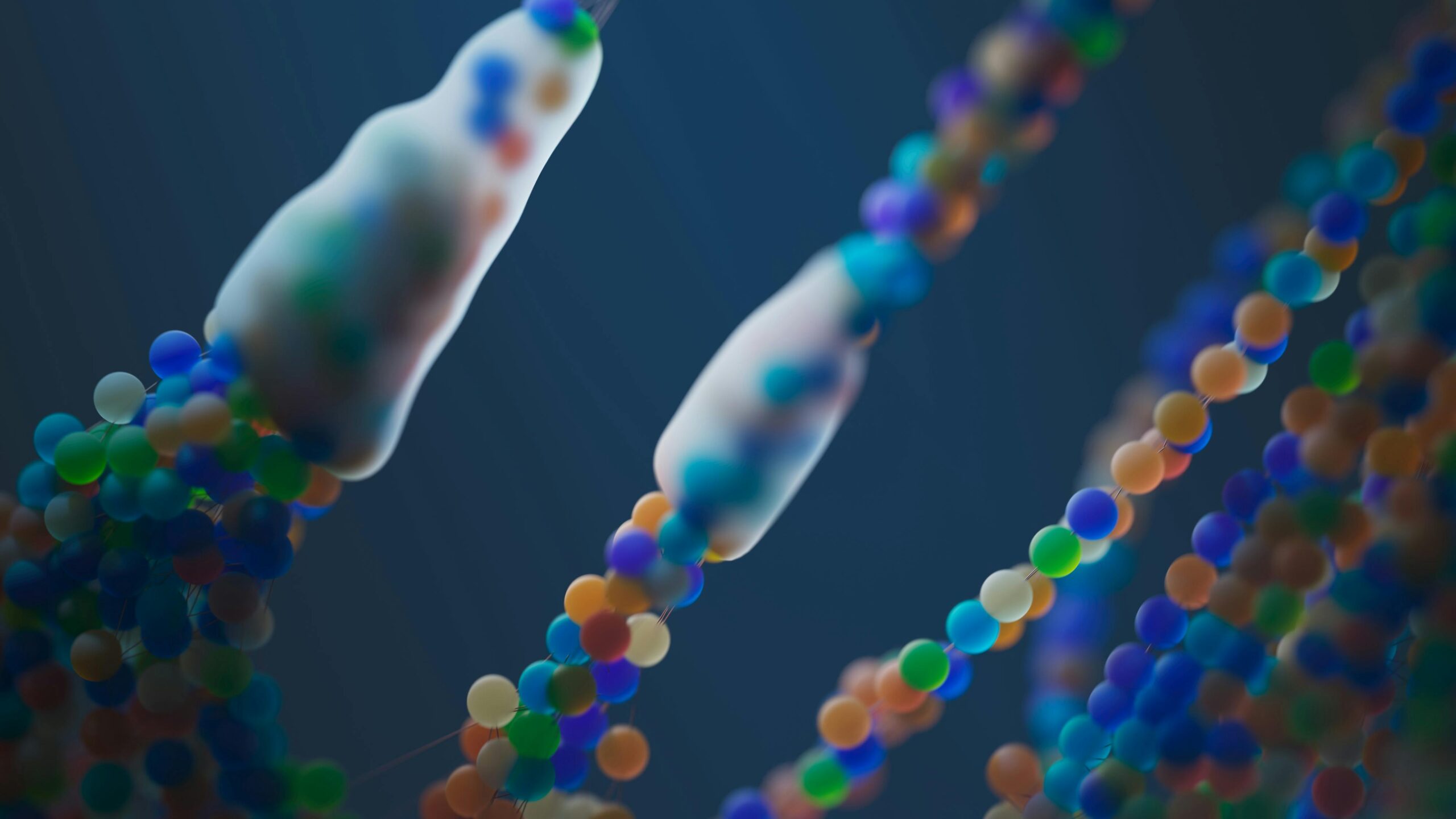
Your DNA is not your destiny. Recent breakthroughs in nutritional epigenomics reveal how the foods you eat can literally switch genes on and off, reshaping your health trajectory.

For decades, we believed our genetic code was fixed—an unchangeable blueprint determining our health outcomes. Today, science tells a different story. The emerging field of nutritional epigenomics demonstrates that dietary choices create biochemical signals that regulate gene expression, influencing everything from metabolism and immunity to cognitive function and longevity. This revolutionary understanding empowers us to take control of our wellness through informed nutritional strategies.
🧬 Understanding the Epigenetic Revolution
Epigenetics refers to changes in gene expression that don’t alter the underlying DNA sequence itself. Think of your genome as hardware and epigenetics as the software that determines which programs run. Environmental factors—particularly nutrition—serve as the programmers, sending signals that activate or silence specific genes.
These epigenetic modifications occur through several mechanisms, including DNA methylation, histone modification, and non-coding RNA interactions. When you consume certain nutrients, they provide the raw materials and regulatory signals for these processes. The remarkable aspect is that these changes can happen rapidly, sometimes within hours of eating specific foods, and can potentially be passed down to future generations.
Research from leading institutions has demonstrated that identical twins with the same genetic code can develop vastly different health outcomes based on lifestyle and dietary factors. This observation underscores the profound influence of epigenetic regulation over genetic predisposition.
The Nutrient-Gene Dialogue: How Food Talks to Your DNA
Every meal you consume initiates a complex conversation between nutrients and your genetic machinery. This dialogue determines which genes are expressed, how intensely, and for how long. Understanding this interaction provides the foundation for personalized nutrition strategies.
Methyl Donors and DNA Methylation
Certain nutrients act as methyl donors, providing chemical groups that attach to DNA and regulate gene activity. Folate, vitamin B12, choline, and betaine are primary methyl donors that influence countless physiological processes. Adequate intake of these nutrients ensures proper methylation patterns, which are critical for:
- Neurotransmitter production and mental health
- Detoxification pathways in the liver
- Cardiovascular health through homocysteine regulation
- Immune system modulation
- Prevention of abnormal cell growth
Deficiencies in methyl donors can lead to hypomethylation, potentially activating genes that should remain silent, including those associated with inflammation and disease progression. Conversely, excessive methylation from over-supplementation may silence beneficial genes.
Polyphenols: Nature’s Gene Regulators
Plant compounds called polyphenols possess remarkable gene-modulating properties. Found abundantly in berries, green tea, dark chocolate, and colorful vegetables, these phytonutrients influence gene expression related to antioxidant defense, inflammation control, and cellular repair mechanisms.
Resveratrol from grapes activates sirtuins—genes associated with longevity and metabolic health. Curcumin from turmeric modulates hundreds of genes involved in inflammation and immune response. Epigallocatechin gallate (EGCG) from green tea influences genes controlling metabolism and cellular protection. These compounds don’t just provide antioxidant benefits; they fundamentally reprogram genetic expression patterns.
Omega-3 Fatty Acids and Genetic Expression
The omega-3 fatty acids EPA and DHA from fish and algae sources significantly impact gene transcription. These essential fats influence genes controlling inflammation, brain function, cardiovascular health, and metabolic regulation. Research demonstrates that omega-3 supplementation can alter the expression of over 1,000 genes, particularly those involved in inflammatory pathways.
The ratio of omega-6 to omega-3 fatty acids in your diet creates different epigenetic landscapes. Modern diets, often heavily weighted toward omega-6 fats from vegetable oils and processed foods, promote pro-inflammatory gene expression patterns. Restoring balance through increased omega-3 intake shifts genetic activity toward anti-inflammatory, health-promoting states.
⚡ Metabolic Health: Reprogramming Your Energy Genes
Perhaps nowhere is nutritional epigenomics more impactful than in metabolic health. The genes controlling how your body processes and stores energy are exquisitely sensitive to dietary signals. Understanding this relationship offers powerful tools for managing weight, preventing diabetes, and optimizing energy levels.
Intermittent Fasting and Metabolic Switching
Periods of food restriction trigger dramatic changes in gene expression. Fasting activates genes involved in autophagy—cellular cleaning and recycling processes—while simultaneously downregulating genes associated with cell growth and division. This metabolic switch enhances insulin sensitivity, promotes fat burning, and activates longevity pathways.
The transcription factor FOXO, activated during fasting periods, regulates numerous genes controlling stress resistance, metabolism, and lifespan. Similarly, fasting stimulates AMPK, a metabolic sensor that coordinates energy production and cellular maintenance. These genetic changes explain why intermittent fasting protocols produce benefits beyond simple calorie restriction.
Macronutrient Ratios and Gene Expression
The proportion of carbohydrates, proteins, and fats in your diet creates distinct epigenetic signatures. Low-carbohydrate approaches activate genes involved in fat metabolism and ketone production, potentially benefiting brain health and metabolic flexibility. Higher carbohydrate intake, particularly from refined sources, promotes expression of lipogenic genes that drive fat storage and may contribute to insulin resistance.
Protein intake influences genes controlling muscle synthesis, satiety signaling, and metabolic rate. The timing and quality of protein consumption affect how efficiently these genetic programs operate, with implications for body composition and aging.
🧠 Cognitive Function and Neurological Wellness
Your brain’s genetic landscape responds dynamically to nutritional inputs. Specific dietary patterns and nutrients influence genes controlling neuroplasticity, neurotransmitter production, and neuroprotection. This nutritional-genetic interaction has profound implications for mental clarity, mood stability, and long-term cognitive health.
Brain-Derived Neurotrophic Factor (BDNF)
BDNF acts as fertilizer for brain cells, promoting neuronal growth, survival, and connectivity. Several nutritional factors influence BDNF gene expression. Omega-3 fatty acids, particularly DHA, enhance BDNF production. Curcumin, flavonoids from berries, and adequate B-vitamin status also upregulate this critical neurotrophic factor.
Conversely, high-sugar diets and metabolic dysfunction suppress BDNF expression, potentially contributing to cognitive decline and mood disorders. The ketogenic diet and intermittent fasting significantly boost BDNF levels, offering neuroprotective benefits through epigenetic mechanisms.
Inflammation and Neurodegeneration
Chronic inflammation driven by poor dietary choices activates genes associated with neurodegeneration. Pro-inflammatory cytokines alter gene expression in ways that damage neurons and impair cognitive function. Anti-inflammatory dietary patterns—rich in omega-3s, polyphenols, and fiber—create epigenetic environments that protect against neurodegenerative processes.
The Mediterranean diet and similar plant-rich approaches have demonstrated powerful effects on genes controlling neuroinflammation. These dietary patterns not only reduce risk of Alzheimer’s disease and dementia but also enhance current cognitive performance through favorable epigenetic modifications.
💪 Immune System Optimization Through Nutritional Signals
Your immune system’s genetic programming responds continuously to nutritional inputs. The foods you eat determine whether immune genes express patterns of balanced vigilance or dysfunctional hyperactivity. This epigenetic regulation affects your susceptibility to infections, autoimmune conditions, and inflammatory diseases.
Vitamin D and Immune Gene Regulation
Vitamin D functions more like a hormone than a traditional vitamin, directly influencing over 200 genes throughout the body. Immune cells possess vitamin D receptors that, when activated, modulate gene expression controlling immune response, inflammation, and antimicrobial peptide production.
Adequate vitamin D status promotes balanced immune function—enhancing defense against pathogens while preventing excessive inflammatory responses. Deficiency creates epigenetic patterns associated with increased autoimmunity, frequent infections, and chronic inflammation.
Gut Microbiome and Epigenetic Communication
The trillions of microorganisms in your digestive system produce metabolites that profoundly influence human gene expression. Short-chain fatty acids like butyrate, produced when gut bacteria ferment dietary fiber, serve as powerful epigenetic modulators. Butyrate inhibits enzymes that remove acetyl groups from histones, thereby influencing which genes are accessible for transcription.
This microbiome-host epigenetic crosstalk affects immunity, metabolism, brain function, and virtually every aspect of physiology. Dietary choices that nurture beneficial gut bacteria—high fiber intake, fermented foods, diverse plant consumption—create favorable epigenetic landscapes throughout the body.
🌟 Practical Strategies for Epigenetic Optimization
Understanding nutritional epigenomics is valuable only when translated into actionable strategies. The following approaches leverage nutrient-gene interactions to optimize health outcomes and unlock your genetic potential.
Colorful Plant Diversity
Consuming a wide variety of colorful plant foods ensures exposure to diverse polyphenols and phytonutrients that beneficially modulate gene expression. Each color family offers different compounds with unique epigenetic effects. Aim for at least seven different plant colors weekly, emphasizing deeply pigmented options like berries, leafy greens, beets, and purple cabbage.
Methylation Support Protocol
Ensure adequate intake of methyl donors through both diet and targeted supplementation when appropriate. Food sources include:
- Leafy green vegetables for folate
- Eggs for choline and B12
- Beets for betaine
- Liver and shellfish for B12 and other B-vitamins
- Legumes for folate and other B-vitamins
Genetic variations in methylation-related genes (such as MTHFR polymorphisms) may require adjusted approaches, including methylated forms of B-vitamins. Consulting with a healthcare practitioner knowledgeable in nutritional genomics can optimize these interventions.
Strategic Fasting Windows
Implement time-restricted eating or intermittent fasting protocols to activate beneficial genetic programs. Even a 12-14 hour overnight fast triggers meaningful epigenetic changes. More extended fasting periods (16-18 hours) amplify these effects, promoting autophagy, metabolic flexibility, and longevity pathway activation.
Omega-3 Optimization
Prioritize omega-3 fatty acid intake through fatty fish (salmon, sardines, mackerel), algae-based supplements, or high-quality fish oil. Target at least 2-3 grams of combined EPA and DHA daily for significant epigenetic benefits. Balance this with reduced omega-6 intake by minimizing vegetable oils and processed foods.
🔬 The Future of Personalized Nutritional Epigenomics
The field of nutritional epigenomics continues evolving rapidly. Emerging technologies enable increasingly personalized approaches based on individual genetic profiles, current epigenetic patterns, and metabolic characteristics. Direct-to-consumer genetic testing now provides insights into nutrient metabolism genes, allowing tailored dietary recommendations.
Epigenetic testing, though still in early stages for consumer applications, promises even more precise guidance. These tests can reveal current methylation patterns and other epigenetic marks, indicating which genes are currently active or suppressed. Future iterations may provide real-time feedback on how dietary changes affect your personal epigenetic landscape.
Integrating Technology and Nutrition
Digital health tools increasingly incorporate genetic and epigenetic data to provide personalized nutrition guidance. Apps tracking food intake, biomarkers, and symptoms can help identify which dietary approaches produce optimal epigenetic responses for your unique physiology.
Beyond Individual Health: Transgenerational Epigenetic Effects
Perhaps the most profound implication of nutritional epigenomics involves transgenerational inheritance. Research demonstrates that dietary patterns and nutritional status can create epigenetic marks that pass to offspring and potentially grandchildren. Your nutritional choices may influence not only your health but that of future generations.
Studies in both animals and humans show that maternal and paternal nutrition before conception, maternal diet during pregnancy, and early-life nutrition create epigenetic signatures that persist throughout life. These marks influence disease susceptibility, metabolic health, cognitive function, and longevity in descendants.
This understanding elevates nutrition from personal health optimization to intergenerational legacy. The foods you eat today shape the genetic expression patterns of children not yet conceived, creating ripples of influence extending far beyond your individual experience.
🎯 Implementing Your Epigenetic Nutrition Strategy
Beginning your nutritional epigenomics journey need not be overwhelming. Start with foundational principles that create favorable genetic expression patterns, then refine based on personal response and emerging science.
Focus first on removing dietary factors that promote unfavorable epigenetic changes: excessive refined sugars, trans fats, highly processed foods, and excessive alcohol consumption. These dietary elements create epigenetic patterns associated with inflammation, metabolic dysfunction, and accelerated aging.
Simultaneously, increase intake of epigenetically beneficial foods: colorful vegetables and fruits, omega-3 rich foods, fermented products, nuts and seeds, herbs and spices, and high-quality proteins. This two-pronged approach—removing harmful influences while adding beneficial ones—creates the foundation for optimal genetic expression.
Monitor your progress through both subjective measures (energy, mood, sleep quality, mental clarity) and objective biomarkers when possible (inflammatory markers, metabolic parameters, body composition). This feedback loop helps identify which nutritional strategies produce the most significant benefits for your unique genetic and epigenetic profile.

Embracing Your Genetic Potential Through Nutrition
The revolutionary science of nutritional epigenomics fundamentally transforms our relationship with food and genetics. Rather than passive recipients of genetic fate, we become active participants in determining which aspects of our genetic potential express themselves. Every meal represents an opportunity to send signals that promote health, vitality, and longevity.
This empowering perspective shifts focus from restriction and deprivation to optimization and enhancement. Food becomes medicine in the most literal sense—information that programs genetic activity toward wellness. Understanding these nutrient-gene interactions enables informed choices that unlock your fullest health potential.
The journey toward epigenetic optimization is personal and ongoing. As science continues revealing the intricate dance between nutrition and gene expression, our capacity to harness this knowledge for transformative health outcomes expands. Your genetic potential awaits unlocking—one mindful, nutrient-dense meal at a time. 🌿