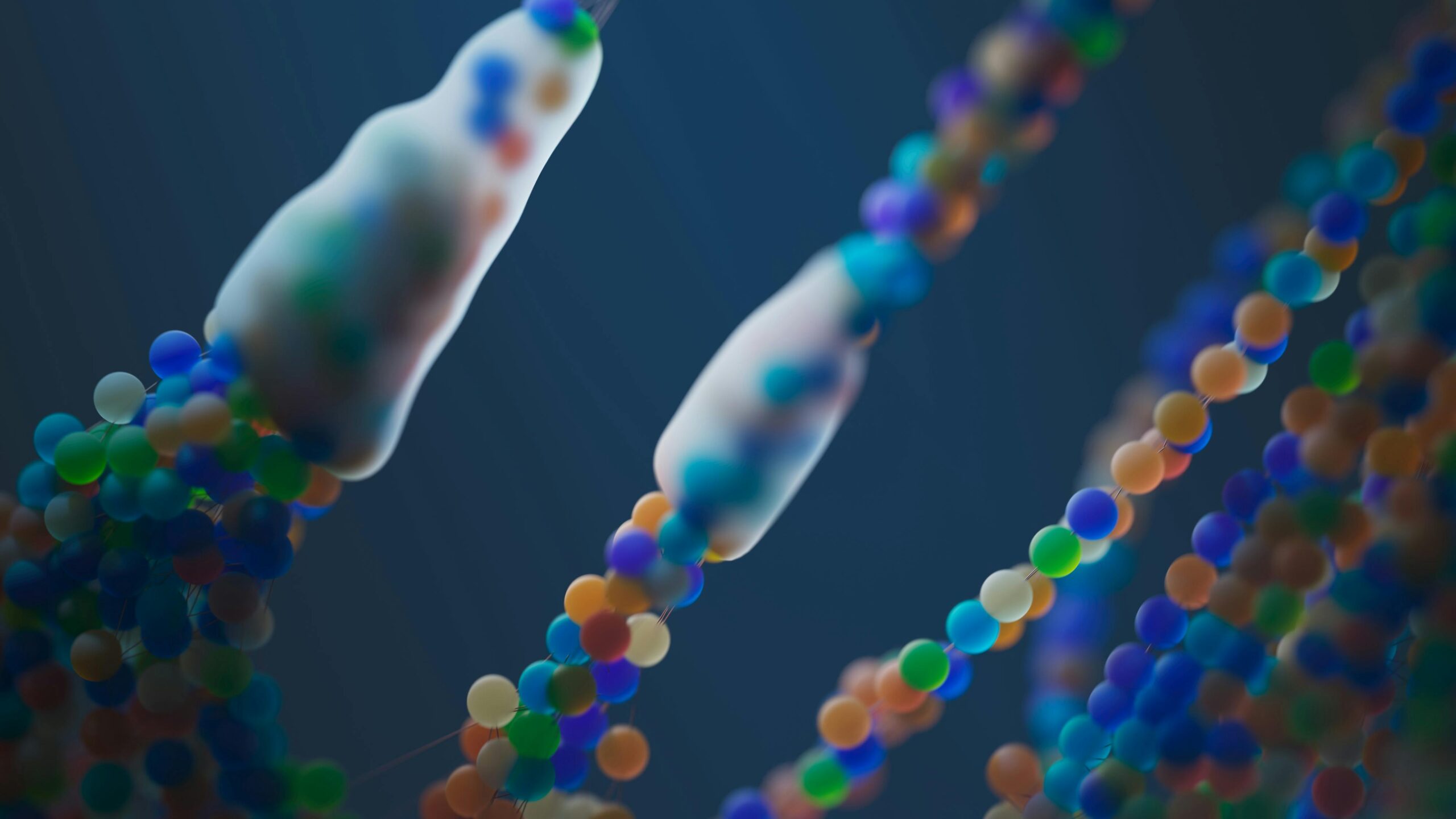
Scientists are discovering that our genes are not our destiny. Epigenetic reprogramming offers revolutionary possibilities for reversing aging, preventing disease, and optimizing health at the cellular level.

For decades, we believed that our DNA blueprint determined our health outcomes. However, groundbreaking research reveals that while genes load the gun, epigenetics pulls the trigger. This emerging field demonstrates how environmental factors, lifestyle choices, and therapeutic interventions can literally rewrite our cellular instructions without changing the underlying DNA sequence. Understanding epigenetic reprogramming opens doors to unprecedented control over our biological destiny, offering hope for conditions once considered irreversible and providing actionable strategies for extending healthspan and lifespan.
🧬 What Is Epigenetic Reprogramming and Why Does It Matter?
Epigenetic reprogramming refers to the process of resetting or modifying the chemical marks on DNA and histones that control gene expression. These modifications act like software updates for your genetic hardware, determining which genes are turned on or off without altering the genetic code itself.
The epigenome consists of chemical compounds and proteins that can attach to DNA and direct actions such as turning genes on or off, controlling protein production, and determining cellular function. Unlike genetic mutations, epigenetic changes are reversible and responsive to environmental signals, making them ideal targets for therapeutic intervention.
Three primary mechanisms drive epigenetic regulation: DNA methylation, histone modifications, and non-coding RNA molecules. DNA methylation typically silences genes by adding methyl groups to specific DNA sequences. Histone modifications alter how tightly DNA wraps around protein structures, affecting gene accessibility. Non-coding RNAs regulate gene expression post-transcriptionally, fine-tuning cellular responses to environmental cues.
The Reprogramming Revolution in Modern Medicine
The discovery that specialized cells can be reprogrammed back to a pluripotent state earned Shinya Yamanaka the Nobel Prize in 2012. His groundbreaking work demonstrated that introducing four specific transcription factors could transform adult cells into induced pluripotent stem cells (iPSCs), essentially turning back the cellular clock.
This revelation sparked a scientific renaissance, prompting researchers worldwide to investigate whether partial reprogramming could rejuvenate tissues without causing cells to lose their specialized functions. Recent studies suggest that transient expression of Yamanaka factors can reverse age-related changes in various tissues, from retinal cells to neurons, without triggering uncontrolled cell growth.
⏰ Epigenetics and the Aging Clock: Measuring Biological Age
Chronological age tells us how many years we’ve lived, but biological age reveals how well our cells have aged. Epigenetic clocks, developed by researchers like Steve Horvath, analyze methylation patterns across the genome to predict biological age with remarkable accuracy.
These clocks have identified specific CpG sites—regions where a cytosine nucleotide sits next to a guanine nucleotide—whose methylation status changes predictably with age. By examining these sites, scientists can determine whether someone’s biological age exceeds or falls below their chronological age, providing insights into health status and mortality risk.
Turning Back the Epigenetic Clock
The most exciting aspect of epigenetic clocks is their reversibility. Interventions ranging from lifestyle modifications to pharmacological treatments have demonstrated the ability to slow, stop, or even reverse biological aging as measured by these molecular timepieces.
The TRIIM trial, published in 2019, showed that a combination of growth hormone, DHEA, and metformin reversed epigenetic age by an average of 2.5 years over twelve months. Participants also showed immune system rejuvenation, suggesting that epigenetic age reversal translates to functional improvements in multiple organ systems.
More recent research has explored caloric restriction, intermittent fasting, exercise, and stress reduction techniques as natural approaches to epigenetic rejuvenation. These interventions appear to work through multiple pathways, including activation of sirtuins, optimization of NAD+ levels, and reduction of inflammatory markers that accelerate epigenetic aging.
💊 Therapeutic Applications: From Cancer to Neurodegeneration
Epigenetic dysregulation contributes to virtually every major disease category, making it an attractive therapeutic target. Unlike genetic mutations, which are permanent, epigenetic changes can potentially be reversed through targeted interventions.
Conquering Cancer Through Epigenetic Intervention
Cancer was among the first diseases where epigenetic therapies showed clinical promise. Tumor cells often exhibit aberrant methylation patterns, silencing tumor suppressor genes while activating oncogenes. DNA methyltransferase inhibitors and histone deacetylase inhibitors have gained FDA approval for treating certain blood cancers, with ongoing trials investigating their potential in solid tumors.
The advantage of epigenetic cancer therapies lies in their reversibility and specificity. Unlike chemotherapy, which indiscriminately kills rapidly dividing cells, epigenetic drugs can theoretically restore normal gene expression patterns without destroying healthy tissue. Combination approaches pairing epigenetic modifiers with immunotherapy show particularly promising results, as reactivating silenced genes can make tumors more visible to the immune system.
Neurological Disorders and Cognitive Enhancement
The brain represents perhaps the most exciting frontier for epigenetic medicine. Neurodegenerative diseases including Alzheimer’s, Parkinson’s, and Huntington’s disease all feature epigenetic components. Restoring proper epigenetic regulation in neurons could potentially slow or reverse cognitive decline.
Animal studies have demonstrated that epigenetic reprogramming can restore memory function in aged mice and improve outcomes in models of neurodegenerative disease. HDAC inhibitors have shown neuroprotective effects, while interventions that boost DNA methylation in specific brain regions have enhanced learning and memory consolidation.
Beyond treating disease, epigenetic approaches may enhance normal cognitive function. Research suggests that environmental enrichment, learning new skills, and meditation all induce beneficial epigenetic changes in brain tissue, potentially explaining their cognitive benefits.
🥗 Lifestyle Factors That Reprogram Your Epigenome
While pharmaceutical interventions capture headlines, lifestyle factors exert profound effects on epigenetic regulation. The foods we eat, how we move, our stress levels, and our social connections all leave molecular signatures on our genome.
Nutritional Epigenetics: You Are What You Eat
Diet represents one of the most powerful epigenetic modulators available. Nutrients serve as substrates and cofactors for enzymes that write, read, and erase epigenetic marks. Methyl donors like folate, vitamin B12, choline, and betaine support DNA methylation processes, while polyphenols found in colorful fruits and vegetables can inhibit DNA methyltransferases and histone deacetylases.
Specific dietary compounds with documented epigenetic effects include:
- Sulforaphane from cruciferous vegetables, which inhibits HDACs and may reduce cancer risk
- Resveratrol from red grapes, which activates sirtuins and mimics caloric restriction benefits
- Curcumin from turmeric, which modulates multiple epigenetic pathways with anti-inflammatory effects
- EGCG from green tea, which affects DNA methylation and has shown promise in metabolic disease
- Omega-3 fatty acids, which influence histone modifications and reduce inflammation
Caloric restriction and time-restricted feeding patterns also profoundly impact the epigenome. These interventions activate cellular stress response pathways that optimize epigenetic marks for longevity and disease resistance. Studies consistently show that moderate caloric restriction extends lifespan across species from yeast to primates, with epigenetic reprogramming playing a central role.
Exercise: Physical Activity Rewrites Your Cellular Software
Physical activity induces rapid epigenetic changes in muscle, brain, and fat tissue. Even a single exercise session can alter methylation patterns on genes involved in energy metabolism, inflammation, and insulin sensitivity. Regular training creates lasting epigenetic adaptations that improve mitochondrial function, enhance fat burning, and protect against metabolic disease.
Different exercise modalities appear to trigger distinct epigenetic signatures. Endurance training primarily affects genes involved in mitochondrial biogenesis and oxidative metabolism, while resistance training influences genes controlling muscle growth and protein synthesis. High-intensity interval training combines benefits of both, creating a comprehensive epigenetic signature associated with metabolic health and longevity.
Sleep, Stress, and Social Connection
Quality sleep is essential for maintaining healthy epigenetic patterns. Sleep deprivation disrupts circadian clock genes and their epigenetic regulation, contributing to metabolic dysfunction, cognitive impairment, and accelerated aging. Conversely, optimizing sleep quantity and quality supports DNA repair processes and proper epigenetic maintenance.
Chronic stress leaves detrimental marks on the epigenome, particularly affecting genes involved in inflammation and stress response. The methylation status of the glucocorticoid receptor gene, which helps regulate stress responses, can be permanently altered by early life adversity, contributing to lifelong vulnerability to stress-related disorders.
Social connections and purpose-driven living also influence epigenetic patterns. Studies of meditation practitioners show altered methylation of genes involved in inflammation and circadian rhythm regulation. Positive social relationships correlate with beneficial epigenetic profiles, while loneliness and social isolation accelerate epigenetic aging.
🔬 Cutting-Edge Technologies and Future Directions
The field of epigenetic reprogramming is advancing at breathtaking speed, with new technologies enabling unprecedented precision in reading and editing epigenetic marks.
CRISPR-Based Epigenome Editing
While CRISPR revolutionized genetic engineering, newer variants enable targeted epigenetic modifications without changing DNA sequences. Dead Cas9 (dCas9) systems fused to epigenetic modifying enzymes can be directed to specific genomic locations to add or remove methylation marks, modify histones, or recruit regulatory complexes.
This precision epigenome editing holds enormous therapeutic potential. Researchers could theoretically reactivate silenced tumor suppressor genes in cancer, correct aberrant methylation in genetic disorders, or boost expression of protective genes in neurodegenerative diseases—all without permanently altering the genome.
Single-Cell Epigenomics and Personalized Medicine
Advanced sequencing technologies now enable epigenetic profiling of individual cells, revealing heterogeneity invisible to bulk tissue analysis. Single-cell epigenomics is uncovering how different cell populations within tumors or aging tissues exhibit distinct epigenetic states, informing more targeted therapeutic approaches.
This technology is paving the way for truly personalized epigenetic medicine. By analyzing an individual’s epigenetic profile, clinicians could predict disease risk, optimize preventive strategies, and tailor treatments to each person’s unique molecular signature. Early detection of aberrant epigenetic patterns may enable intervention before diseases manifest clinically.
Transgenerational Epigenetic Inheritance
Perhaps the most controversial and fascinating aspect of epigenetics involves inheritance of acquired traits. While Lamarckian evolution was discredited over a century ago, mounting evidence suggests that some epigenetic marks can pass from parents to offspring, allowing environmental exposures to influence subsequent generations.
Studies in humans have documented transgenerational effects of famine, trauma, and environmental toxins, with epigenetic mechanisms implicated in transmitting these effects. This raises profound questions about our responsibility to future generations and highlights how our lifestyle choices may influence not only our health but that of our children and grandchildren.
⚡ Practical Steps to Optimize Your Epigenetic Health Today
While cutting-edge therapies remain in development, evidence-based strategies for beneficial epigenetic reprogramming are available now. Implementing these approaches can help optimize gene expression, slow biological aging, and reduce disease risk.
Creating Your Epigenetic Optimization Protocol
Start with foundational lifestyle factors that exert the strongest epigenetic effects. Prioritize whole foods rich in methyl donors, antioxidants, and anti-inflammatory compounds. Build your diet around vegetables, particularly cruciferous and leafy greens, along with berries, nuts, fatty fish, and legumes. Minimize processed foods, refined sugars, and excessive alcohol, which promote detrimental epigenetic changes.
Establish a consistent exercise routine incorporating both aerobic activity and resistance training. Aim for at least 150 minutes of moderate-intensity exercise weekly, with at least two strength training sessions. Consider adding high-intensity intervals for their particularly potent epigenetic effects on metabolic health.
Optimize sleep by maintaining consistent sleep-wake times, creating a dark and cool sleeping environment, and limiting screen exposure before bed. Target seven to nine hours nightly, as sleep duration and quality directly influence epigenetic aging rates.
Develop stress management practices that resonate with you, whether meditation, yoga, time in nature, or creative pursuits. Regular practice of stress-reduction techniques measurably improves epigenetic markers of aging and inflammation.
Supplements and Nutraceuticals for Epigenetic Support
While food should be the primary source of epigenetic nutrients, targeted supplementation may provide additional benefits, particularly for individuals with increased needs or dietary restrictions.
- B-complex vitamins support methylation pathways crucial for DNA methylation and repair
- Vitamin D influences expression of hundreds of genes and shows anti-aging effects
- Omega-3 fatty acids (EPA and DHA) optimize inflammatory gene expression
- NAD+ precursors like NMN or NR support sirtuin activity and DNA repair
- Resveratrol and other polyphenols activate longevity pathways through epigenetic mechanisms
Consult with healthcare providers familiar with epigenetic medicine when considering supplements, as individual needs vary and some compounds may interact with medications or health conditions.

🌟 The Epigenetic Revolution: Empowerment Through Understanding
The epigenetic revolution fundamentally changes our relationship with health and aging. Rather than passive victims of our genetic inheritance, we emerge as active participants capable of influencing gene expression through informed choices and targeted interventions.
This paradigm shift extends beyond individual health to societal implications. Understanding that environmental factors leave molecular marks on the genome underscores the importance of clean air and water, access to nutritious food, safe neighborhoods, and policies that reduce chronic stress. Public health approaches must evolve to address not only immediate health outcomes but long-term epigenetic consequences affecting current and future generations.
As research accelerates, the coming decades will likely bring increasingly sophisticated tools for reading, interpreting, and modifying our epigenetic landscape. Epigenetic biomarkers may soon guide clinical decision-making, predict treatment responses, and enable truly preventive medicine that intervenes before disease develops.
The power of epigenetic reprogramming lies not in futuristic therapies alone but in the immediate opportunities it presents. Every meal, workout, and moment of mindfulness represents a chance to communicate beneficial instructions to our cells. By understanding and harnessing these mechanisms, we can transform our health trajectory, slow the aging process, and unlock human potential at the cellular level.
The science of epigenetics reveals a profound truth: we are not prisoners of our genes but sculptors of our cellular destiny. Through conscious choices and emerging therapeutic interventions, we can rewrite our biological story, creating healthier, longer, and more vibrant lives. The future of medicine is not merely treating disease but optimizing the fundamental programs that govern human health and longevity—and that future is already beginning.