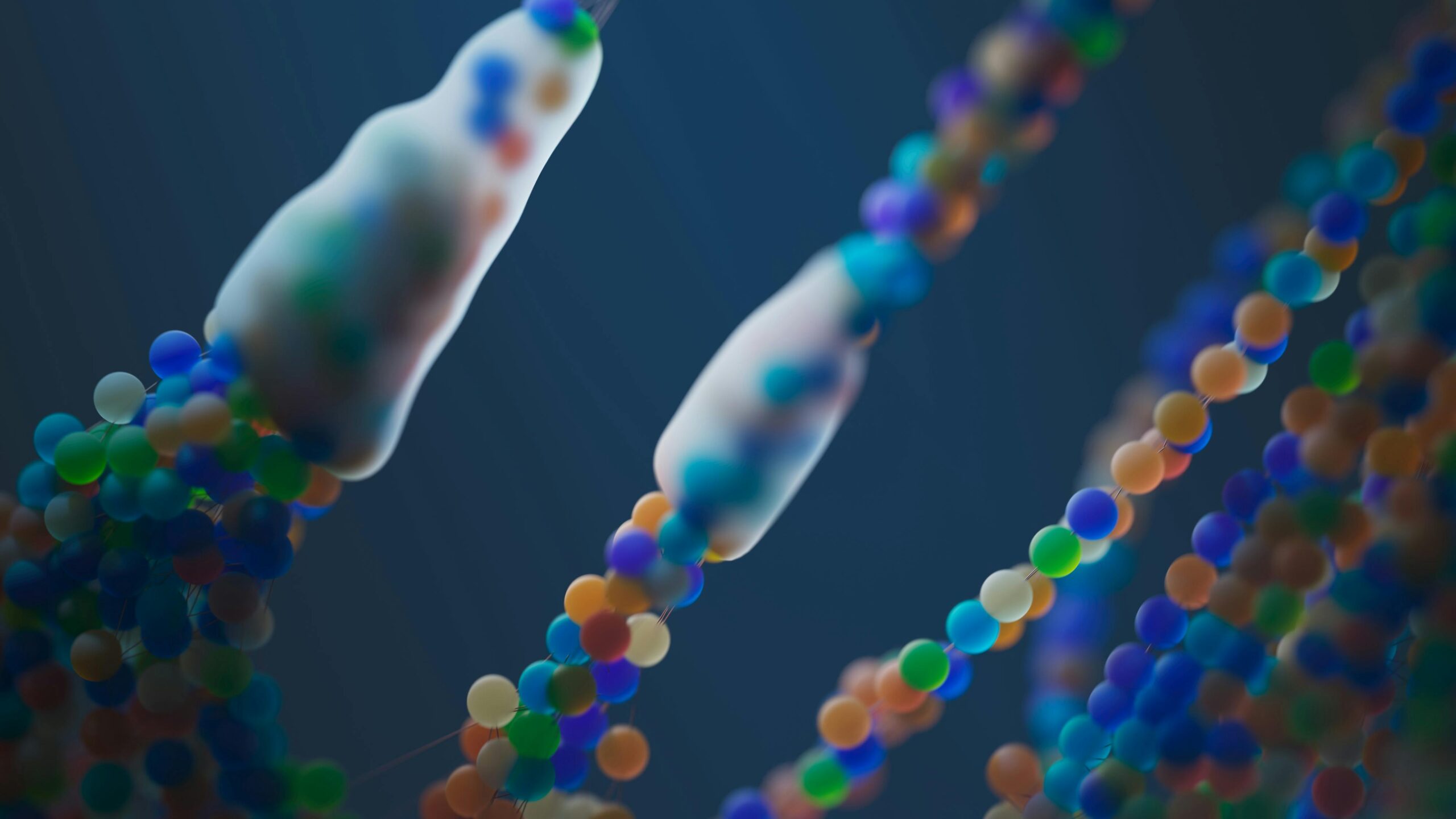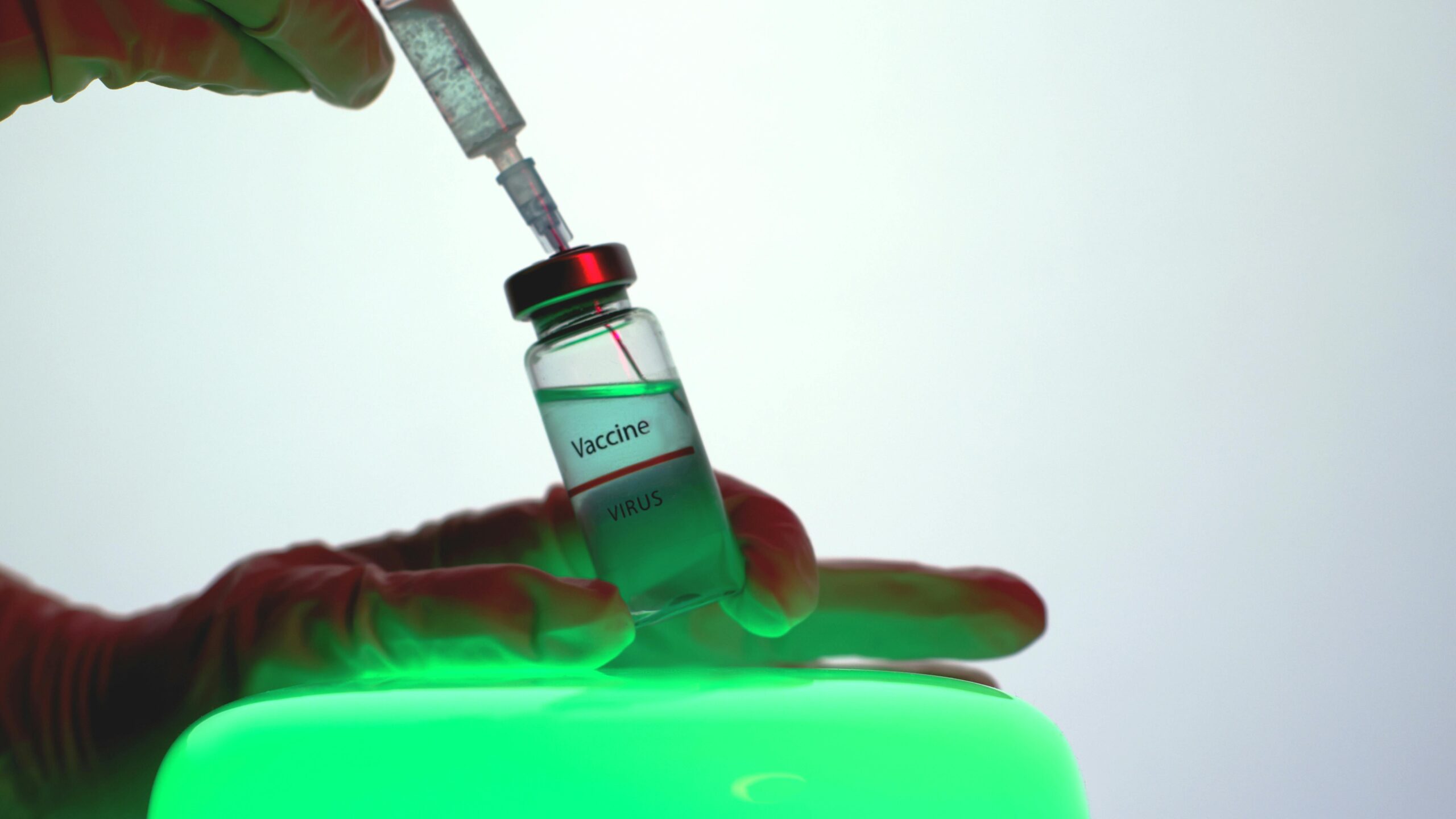
Stem cell therapy stands at the forefront of modern medicine, offering unprecedented possibilities for healing previously untreatable conditions and revolutionizing healthcare worldwide.

The remarkable ability of stem cells to transform into various cell types and regenerate damaged tissues has captured the attention of researchers, clinicians, and patients alike. These biological powerhouses represent more than just a scientific curiosity—they embody hope for millions suffering from degenerative diseases, traumatic injuries, and chronic conditions that have long challenged conventional medical approaches. As we delve deeper into understanding these cellular building blocks, we’re witnessing a paradigm shift in how we approach healing, aging, and the very essence of human health.
🧬 Understanding the Fundamental Nature of Stem Cells
Stem cells are undifferentiated biological cells that possess two defining characteristics: the capacity for self-renewal through cell division and the potential to differentiate into specialized cell types. Unlike mature cells with predetermined functions, stem cells maintain a remarkable plasticity that allows them to respond to specific biological signals and transform accordingly.
The human body contains several types of stem cells, each with distinct properties and therapeutic potential. Embryonic stem cells, derived from early-stage embryos, exhibit pluripotency—the ability to become virtually any cell type in the body. Adult stem cells, found in various tissues throughout our bodies, typically demonstrate more limited differentiation potential but play crucial roles in natural tissue maintenance and repair.
Induced pluripotent stem cells (iPSCs) represent a groundbreaking innovation that bridges the gap between embryonic and adult stem cells. By reprogramming mature cells back to an embryonic-like state, scientists can generate patient-specific stem cells without the ethical concerns surrounding embryonic sources. This technological advancement has opened new avenues for personalized medicine and disease modeling.
The Biological Mechanisms Behind Stem Cell Regeneration
The regenerative power of stem cells operates through multiple sophisticated mechanisms. When introduced to damaged tissue environments, stem cells respond to biochemical cues that guide their differentiation and integration. These signals include growth factors, cytokines, and cell-to-cell interactions that collectively orchestrate the healing process.
Paracrine signaling represents another critical mechanism through which stem cells exert therapeutic effects. Rather than simply replacing damaged cells, stem cells secrete bioactive molecules that modulate inflammation, stimulate resident stem cell populations, and promote tissue repair. This discovery has expanded our understanding beyond simple cell replacement therapy to appreciate the complex immunomodulatory and regenerative factors at play.
Cellular Communication and Tissue Microenvironment
The tissue microenvironment profoundly influences stem cell behavior and therapeutic outcomes. Factors such as oxygen levels, mechanical forces, extracellular matrix composition, and neighboring cell interactions all contribute to determining whether stem cells proliferate, differentiate, or remain quiescent. Understanding and manipulating these environmental factors has become central to optimizing stem cell therapies.
Researchers are now developing sophisticated biomaterials and three-dimensional scaffolds that mimic natural tissue architecture, providing stem cells with optimal conditions for engraftment and function. These engineering approaches represent the convergence of biology, materials science, and regenerative medicine.
💉 Current Clinical Applications Transforming Patient Care
Stem cell therapies have transitioned from experimental concepts to established clinical realities across numerous medical specialties. Hematopoietic stem cell transplantation, commonly known as bone marrow transplantation, has successfully treated blood cancers and disorders for decades, saving countless lives and establishing the therapeutic proof-of-concept for stem cell medicine.
Cardiovascular disease treatment has emerged as a promising application area. Clinical trials have demonstrated that stem cell injections can improve heart function following myocardial infarction by regenerating damaged cardiac tissue and stimulating blood vessel formation. While challenges remain in optimizing cell delivery and engraftment, the potential to reverse heart damage represents a monumental shift from merely managing symptoms.
Neurological Disorder Breakthroughs
The nervous system, long considered incapable of significant regeneration, has become a focal point for stem cell research. Patients with spinal cord injuries, stroke, Parkinson’s disease, and multiple sclerosis are participating in clinical trials exploring whether stem cells can restore lost function. Early results suggest that stem cell therapies may reduce inflammation, protect surviving neurons, and potentially replace damaged neural circuits.
Mesenchymal stem cells have shown particular promise in neurological applications due to their immunomodulatory properties and ability to cross the blood-brain barrier. These cells appear to create neuroprotective environments that support recovery even without direct cellular replacement.
Orthopedic and Musculoskeletal Regeneration
Athletes and individuals with joint damage are increasingly turning to stem cell treatments for cartilage regeneration and injury repair. Orthopedic applications range from treating osteoarthritis to accelerating healing of tendon and ligament injuries. The ability of mesenchymal stem cells to differentiate into bone, cartilage, and connective tissue makes them ideal candidates for musculoskeletal regeneration.
Clinical outcomes vary, but many patients report reduced pain and improved function following stem cell injections. Ongoing research aims to standardize protocols, optimize cell sources and doses, and identify which patient populations benefit most from these interventions.
🔬 Cutting-Edge Research Pushing Boundaries
The frontier of stem cell research extends far beyond current clinical applications. Scientists are exploring organoid technology—creating miniature, simplified versions of organs from stem cells—to model diseases, test drug responses, and potentially generate transplantable tissues. These three-dimensional organ-like structures recapitulate key aspects of organ development and function, providing unprecedented insights into human biology.
Gene editing technologies, particularly CRISPR-Cas9, combined with stem cell approaches, enable correction of genetic defects at the cellular level before transplantation. This combination therapy holds promise for treating inherited disorders such as sickle cell disease, muscular dystrophy, and certain forms of blindness by providing patients with genetically corrected cells.
Aging and Longevity Research
Stem cell exhaustion represents one of the hallmarks of aging. As we age, our endogenous stem cell populations decline in number and function, contributing to tissue deterioration and reduced regenerative capacity. Researchers are investigating whether rejuvenating or supplementing stem cell populations could slow aging processes and extend healthspan—the period of life spent in good health.
Preliminary studies in animal models demonstrate that young stem cells or factors secreted by them can rejuvenate aged tissues and improve multiple physiological parameters. Translating these findings to human applications remains challenging but represents an exciting frontier in longevity medicine.
Challenges and Limitations Requiring Solutions ⚠️
Despite remarkable progress, stem cell medicine faces significant challenges that must be addressed to realize its full potential. Immune rejection remains a concern when using allogeneic (donor-derived) stem cells, potentially requiring immunosuppressive medications that carry their own risks. Patient-specific iPSCs offer one solution, though generating and characterizing these cells for each individual patient presents logistical and financial challenges.
The risk of tumorigenicity—the potential for transplanted stem cells to form tumors—requires rigorous safety monitoring. While rare, this possibility necessitates careful cell characterization before transplantation and long-term patient follow-up. Regulatory agencies worldwide maintain strict oversight to ensure patient safety while facilitating therapeutic innovation.
Standardization and Quality Control
Manufacturing consistency presents another significant challenge. Stem cells are living products whose properties can vary based on culture conditions, passage number, and donor characteristics. Establishing standardized protocols for cell isolation, expansion, characterization, and delivery remains crucial for ensuring reproducible clinical outcomes.
Quality control measures must verify cell identity, purity, viability, and potency before therapeutic use. As the field matures, developing robust, cost-effective quality assurance methods becomes increasingly important for scaling stem cell therapies to meet global demand.
📊 Economic and Accessibility Considerations
The cost of stem cell therapies currently limits accessibility for many patients. Developing, manufacturing, and delivering cell-based treatments involves substantial expenses related to laboratory facilities, specialized personnel, quality control, and regulatory compliance. While these costs may decrease as technologies mature and processes become standardized, ensuring equitable access remains a significant concern.
Different healthcare systems worldwide are grappling with reimbursement questions. Determining which stem cell therapies warrant insurance coverage requires evidence from rigorous clinical trials demonstrating safety, efficacy, and cost-effectiveness compared to existing treatments. The evidence base continues expanding, gradually influencing coverage decisions.
Global Disparities and Medical Tourism
Regulatory variations between countries have created a complex landscape where unproven treatments may be marketed to desperate patients in jurisdictions with less stringent oversight. Medical tourism for stem cell therapies raises ethical concerns, as patients may receive inadequately tested treatments at significant financial and health risk.
The scientific and medical communities emphasize the importance of seeking treatments only through legitimate clinical trials or approved therapies administered by qualified healthcare providers. Patient education about distinguishing evidence-based treatments from unproven claims remains essential for protecting vulnerable individuals.
🌟 The Future Landscape of Regenerative Medicine
Looking ahead, stem cell medicine is poised to become increasingly sophisticated and integrated into mainstream healthcare. Artificial intelligence and machine learning algorithms are being applied to predict optimal stem cell sources, culture conditions, and patient matching, potentially improving therapeutic outcomes while reducing costs.
Bioprinting technology combines stem cells with biomaterials to three-dimensionally print tissue constructs with precise architecture. This approach may eventually enable creation of complex tissues and organs for transplantation, addressing the chronic shortage of donor organs and eliminating rejection concerns.
Personalized and Precision Medicine Integration
The convergence of stem cell therapy with genomics, proteomics, and advanced diagnostics enables increasingly personalized treatment approaches. By analyzing individual patient characteristics—genetic makeup, disease mechanisms, and biomarker profiles—clinicians can tailor stem cell interventions for optimal effectiveness.
Patient-derived organoids and disease models allow testing multiple therapeutic strategies in vitro before selecting the most promising approach for that individual. This precision medicine paradigm promises to improve success rates while minimizing unnecessary treatments and adverse effects.
Ethical Frameworks Guiding Responsible Innovation
As stem cell capabilities expand, ethical considerations must keep pace with scientific advancement. Questions surrounding embryonic stem cell use, germline editing, enhancement versus therapy, and equitable access require ongoing societal dialogue involving scientists, ethicists, policymakers, and diverse community stakeholders.
Informed consent processes must adequately convey the experimental nature of many stem cell treatments, potential risks and benefits, and alternative options. Protecting vulnerable populations from exploitation while facilitating legitimate research requires balanced regulatory approaches that both enable innovation and ensure safety.
Balancing Innovation with Safety
Regulatory agencies worldwide face the challenge of creating frameworks that encourage therapeutic development while maintaining rigorous safety standards. Adaptive pathways that allow conditional approval based on early evidence, with continued monitoring and confirmatory studies, represent one approach to accelerating patient access to promising therapies.
International collaboration and harmonization of regulatory standards could facilitate global stem cell therapy development while ensuring consistent quality and safety expectations. Organizations like the International Society for Stem Cell Research provide guidelines that help standardize practices across borders.
Transformative Impact on Healthcare Paradigms 🏥
Stem cell regeneration represents more than new treatments—it signals a fundamental shift in healthcare philosophy from symptom management to true healing and restoration. Rather than accepting permanent disability or organ failure as inevitable, regenerative medicine seeks to restore normal tissue structure and function.
This paradigm shift has profound implications for how we allocate healthcare resources, train medical professionals, and conceptualize disease and wellness. Medical education increasingly incorporates regenerative medicine principles, preparing future clinicians to integrate these approaches into comprehensive care strategies.
The long-term economic impact could be substantial if regenerative therapies reduce chronic disease burden, decrease disability, and improve quality of life. While upfront costs may be significant, the potential for curative rather than palliative interventions could ultimately reduce overall healthcare expenditures.
Empowering Patients Through Knowledge and Participation
As stem cell therapies evolve, patient education and engagement become increasingly important. Understanding treatment options, participating in clinical trials, and making informed decisions require accessible, accurate information about stem cell medicine’s capabilities and limitations.
Patient advocacy organizations play crucial roles in connecting individuals with legitimate clinical trials, providing support networks, and advocating for research funding and regulatory policies that accelerate therapeutic development while maintaining safety standards.
The democratization of scientific knowledge through online resources, patient conferences, and direct engagement with researchers helps create informed healthcare consumers who can effectively partner with medical teams in treatment decisions. This collaborative approach enhances outcomes and satisfaction while contributing to the overall advancement of regenerative medicine.
Stem cell regeneration stands as one of medicine’s most promising frontiers, offering hope for conditions once considered untreatable and fundamentally transforming our approach to healing. While challenges remain in translating laboratory discoveries to widespread clinical practice, the trajectory is clear—regenerative medicine will increasingly define 21st-century healthcare, extending both lifespan and healthspan while alleviating suffering for millions worldwide. The continued collaboration between researchers, clinicians, regulators, and patients will determine how quickly these revolutionary therapies become accessible realities, ultimately fulfilling stem cell medicine’s extraordinary promise to heal and transform human health.